
Understanding the Future of Work
As 2024 segues into 2025, businesses face numerous changes driven by evolving technology and work behaviors. To aid organizations in this transition, DEEL, a global leader in team management, has released an in-depth report revealing critical workplace trends that will shape the business landscape in the coming year.
Key Findings from the DEEL Report
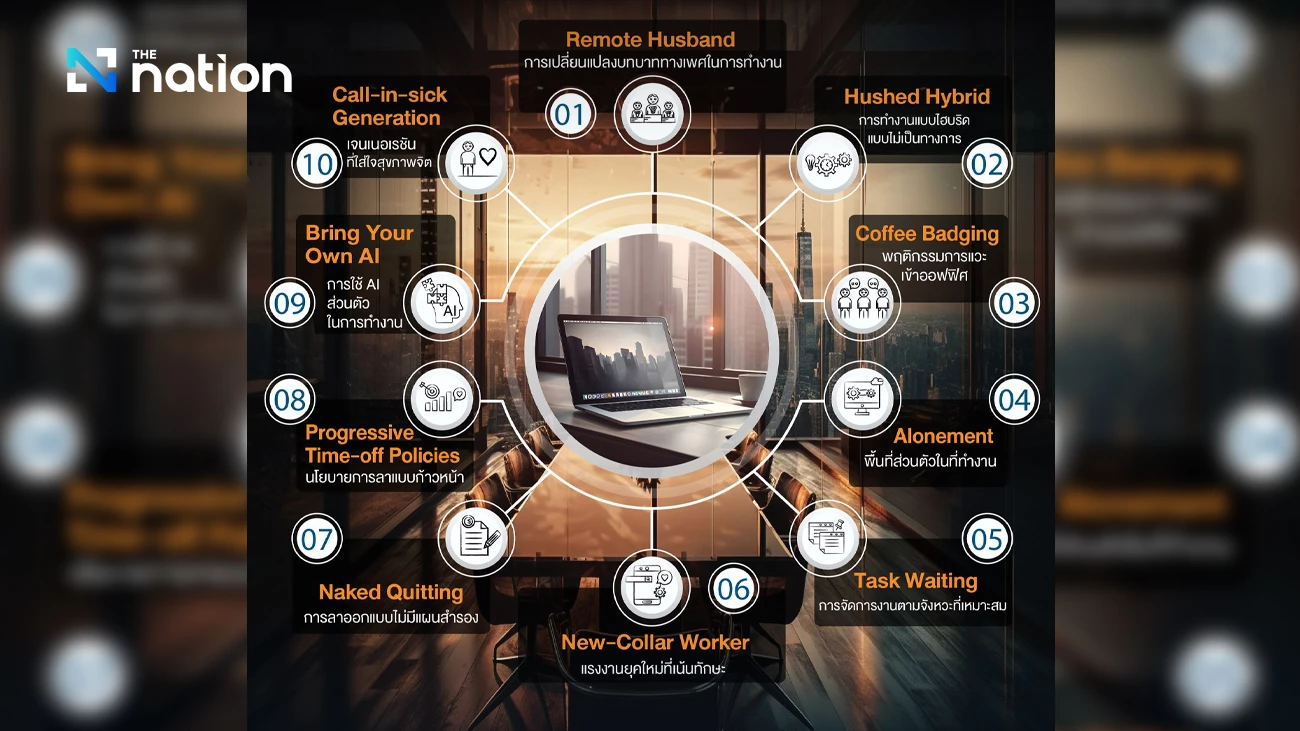
The report emphasizes the importance of preparing for significant shifts in work practices. Here are ten trends highlighted as essential for organizational success:
- Remote Husband – Shifting Gender Roles: This trend allows men in tech roles to work from home, enabling their partners to pursue career advancements without being location-bound.
- Hushed Hybrid – Informal Work Arrangements: Many managers informally encourage remote work despite official return-to-office policies, reflecting a flexible management style.
- Coffee Badging – Brief Office Visits: Employees visit the office briefly to maintain presence and enjoy coffee, which poses challenges for re-engaging them in traditional workplace cultures.
- Alonement – Personal Workspaces: Organizations are creating designated quiet zones in offices for employees used to working from home, supporting focused work.
- Task Waiting – Strategic Work Pacing: This method emphasizes prioritizing tasks effectively to enhance efficiency and minimize stress.
- New-Collar Worker – Skills Over Degrees: A growing emphasis on skills over formal education is allowing talented individuals to land high-level jobs without traditional degrees.
- Naked Quitting – Prioritizing Life Quality: Some employees resign without securing a new job, focusing on personal well-being rather than job security.
- Progressive Time-Off Policies: Companies are expanding leave policies to include mental health recovery and personal circumstances, recognizing the need for inclusive benefits.
- Bring Your Own AI – Personal AI Tools: The use of personal AI tools in the workplace is on the rise, with statistics indicating 78% adoption among Hong Kong workers.
- Call-in-Sick Generation – Emphasis on Mental Health: There is an increasing trend among Gen Z to prioritize mental health, with many taking sick days for mental wellbeing.
Conclusion
DEEL recommends that organizations establish robust digital infrastructure, implement adaptable policies, and cultivate a results-oriented culture to stay ahead in this evolving landscape. Embracing these changes will be vital for businesses seeking to attract and retain top talent in the future.
Comments are closed