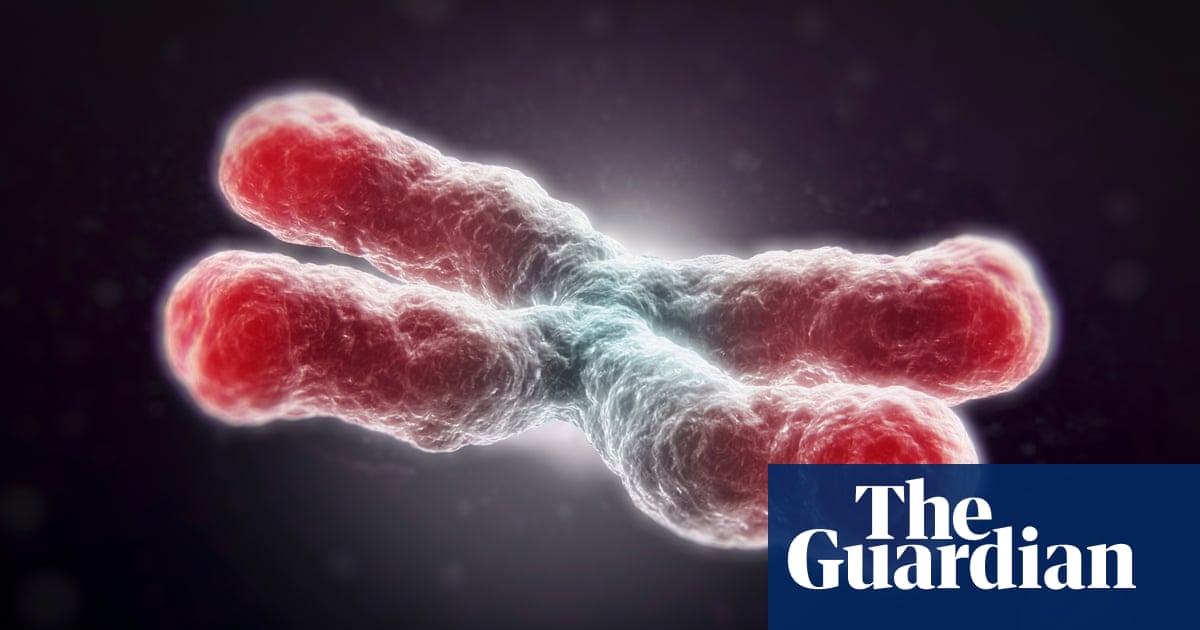
Humans have always been obsessed with getting old, or rather staying young, but now science is beginning to catch up. Longevity has become a hot topic, from university laboratories to Silicon Valley startups. In the first of a Science Weekly three-part miniseries on ageing, Ian Sample speaks to Richard Faragher, a professor of biogerontology at the University of Brighton, to discover what we know about the biological hallmarks of ageing in our bodies – and why we have evolved to have the lifespans we do.
As we delve into the science of ageing, we often ask: What are the key factors that contribute to our aging process? Richard Faragher explains that one of the significant aspects is the role of telomeres, which are protective caps at the ends of our chromosomes. As we age, these telomeres shorten, which can lead to cellular aging and ultimately, the aging of the organism itself.
Another question that arises is: Can we slow down the aging process? While there is no magic solution, researchers are exploring various avenues, including lifestyle changes, diet, and even potential therapies that target the biological mechanisms of aging.
For those interested in learning more, you can listen to the full discussion on the podcast available here.
No responses yet