Whole Foods founder turns to wellness with Love.Life
It was my good luck that on the same day I was touring Love.Life – a new luxury health centre conceived by John Mackey, co-founder of US supermarket chain Whole Foods Market – I was also nursing a gym injury.
It felt promising, if not surreal, to arrive at the doorstep of an establishment with nearly every treatment I could think of under one roof: diagnostic tests, rejuvenating therapies as well as fitness and nutrition plans to stave off future health problems.
Love.Life’s lobby was blindingly bright, with porcelain floors and mod furniture in peppy colours. There was a spacious cafe on one side and a futuristic gym on the other, animated by various blinking screens. Around the corner were what looked like red-white-and-blue space pods. What they were for, I had no idea.
What inspired John Mackey to create Love.Life?
The idea for this lavish temple of wellness had been swirling in the back of Mackey’s brain for almost four decades. After co-founding Whole Foods in 1980, and growing the natural and organic foods store into an international network of more than 460 outlets, Mackey and company sold the publicly traded company to Amazon in 2017 for US$13.7 billion.
For his next venture, the vegan, breathwork enthusiast and pickleball lover wanted to “change the way people think about health and wellness”, he said. “This is a continuation of my own higher purpose in life.”
What services does Love.Life offer?
Mackey left Whole Foods in 2022 but had already started working on plans for the club a year earlier. Over the last three years, he and his Love.Life co-founders – Whole Foods former chief executive Walter Robb and long-time executive Betsy Foster – transformed his dream into a reality: a swanky, holistic health centre that is part state-of-the-art gym, part high-end spa, part highly personalised doctor’s office and part exclusive social club.
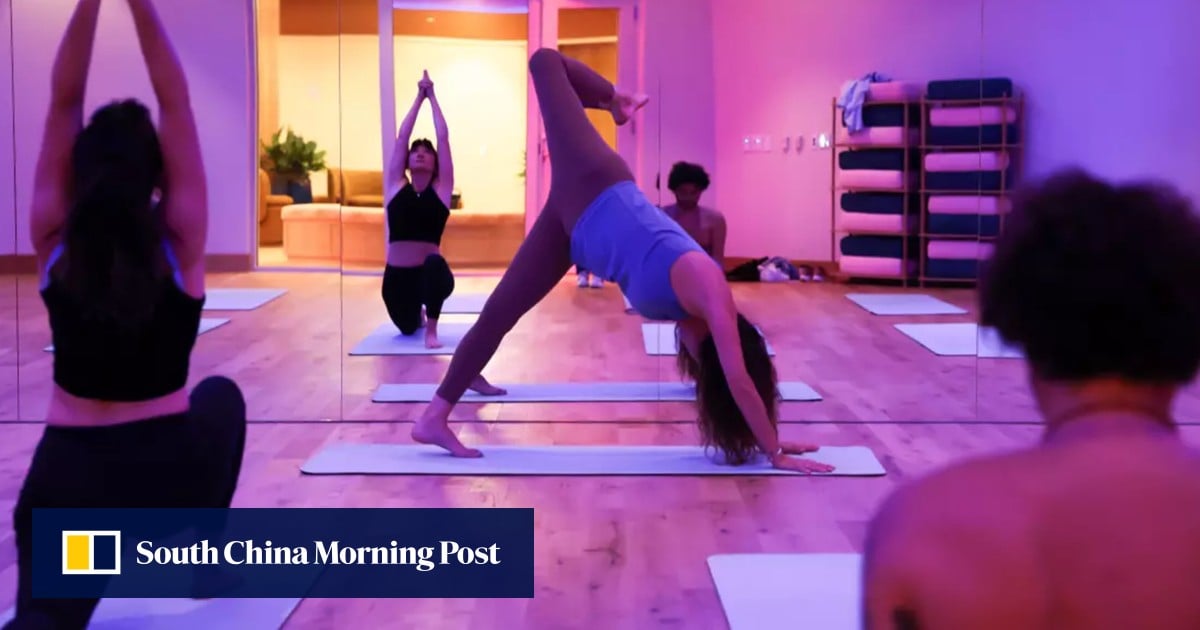
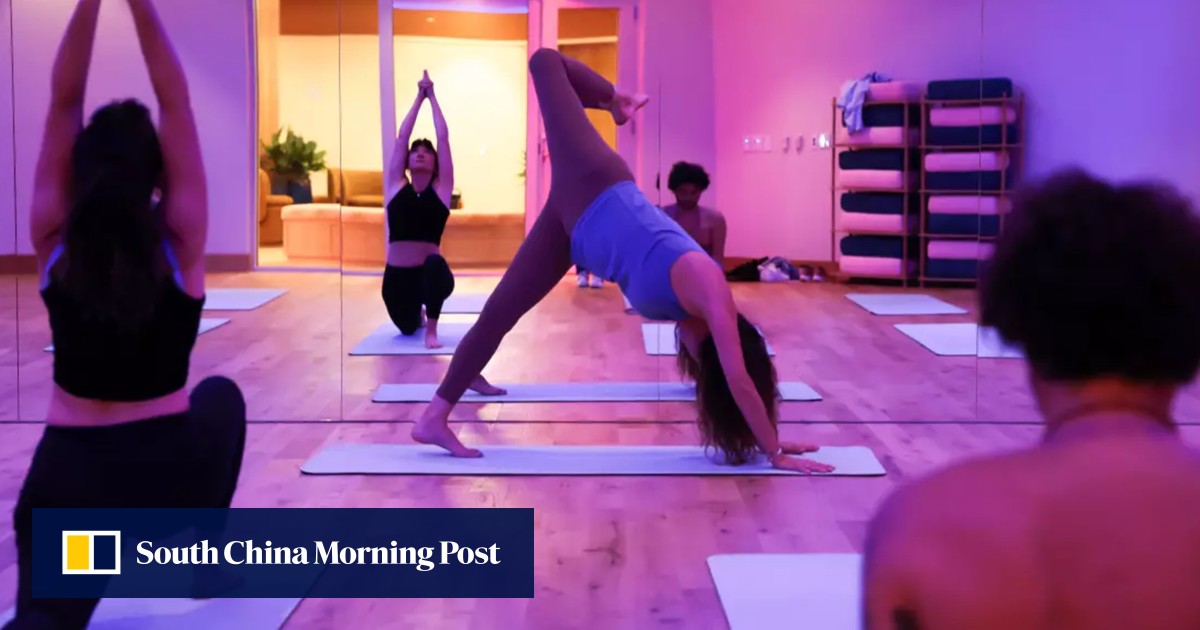
It touts specialists in both Eastern and Western modalities, as well as an on-site physiotherapy clinic. Its “plants-forward” cafe serves superfood-filled dishes with names like Ocean Bowl and Green Tartine. Regular live events include meditations, soundbaths and breathwork classes. Love.Life even has three indoor pickleball courts.
What is the mission of Love.Life?
Love.Life’s mission is to help its members live longer, healthier lives by deep-diving into their health history, executing an array of specialised tests and then suggesting fitness and lifestyle changes, paired with as many preventive health measures as humanly possible.
“We’re trying to help individuals become the healthiest, best versions of themselves – physically, emotionally and spiritually,” says Mackey. “When do most people go to a doctor? When they get sick. Our idea is: we want you to start seeing a doctor [now] so that you don’t ever have to see a doctor for the chronic diseases that kill.”
How much does it cost to join Love.Life?
A Love.Life core membership starts at US$750 a month for either a “High Performance”, “Heal” or “Longevity” membership, depending on the goal. They include five visits a year with a Love.Life primary care doctor, as well as health coaching, medical testing, fitness and recovery services and access to practitioners across 20-plus disciplines including traditional Chinese medicine, sports performance, yoga and nutrition.
Upon enrolling, members can undergo a series of tests so facility specialists have a 360-degree view of their health. It is a journey into the bodily unknown. They may draw blood for an advanced lab panel measuring more than 120 biomarkers, have their musculoskeletal layer assessed or undergo a DEXA body composition assessment and bone mineral density scan.
What are the unique features of Love.Life?
Other speciality tests address the microbiome, hormone health, cardiac health and food sensitivities, among other things.
Members book all appointments on an app, which also stores their health history and tracks fitness progress. They can also use it to share that information with any of Love.Life’s practitioners, reserve a pickleball court, book a massage or order lunch.
Some parts of Love.Life will be open to the public, such as the cafe, select healing therapies and the spa, for which anyone can buy a US$100 day pass. But Mackey emphasises that membership and community are key to the experience.
What are the future plans for Love.Life?
If successful, Mackey envisions other centres in other cities before expanding internationally. “If this idea won’t work in LA, it won’t work period,” Mackey says. “People here are more into their health, they’re more into looking good, feeling good, they’re into longevity.”
As exciting as that might be for some people, it could have negative effects on the larger population, says Paul Ginsburg, a professor of health policy at the University of Southern California. “They’re extending the scope of what medical care is for their wealthy clients,” he says of Love.Life. “If you’re wealthy, it’s a wonderful opportunity. But physician resources are stretched pretty thin today, and if the centres were to take off, engaging physicians in service to very wealthy people means drawing their time away from treating the general population – that’s the downside.”
Mackey hopes that Love.Life will follow in Whole Foods’ philanthropic path. Whole Planet, a project of the grocery chain’s non-profit organisation, has invested US$113 million in global communities since 2005. “Philanthropy comes from success,” Mackey says. “We will do things to help improve the health of poor people. But it’ll come because we’ll have the resources to do that.”
Like what you read? Follow SCMP Lifestyle on Facebook, Twitter and Instagram. You can also sign up for our eNewsletter here.
Comments are closed