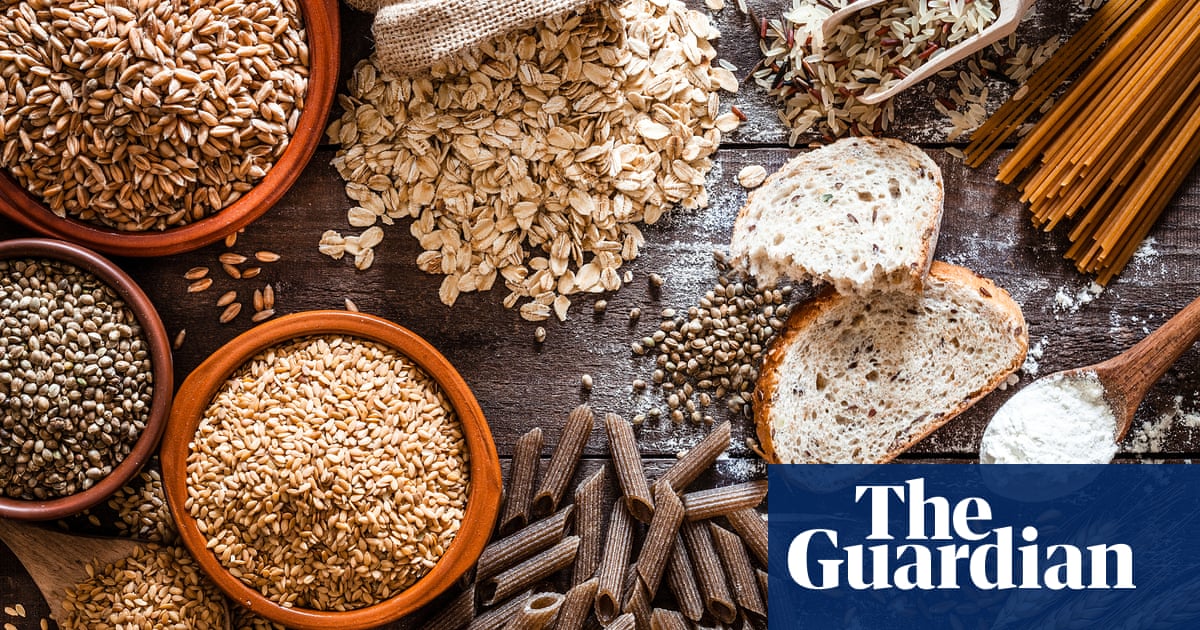
Are Whole Grains Really Healthier?
Health officials widely advocate for the consumption of whole grains. In the United States, the latest dietary guidelines recommend that at least half of a person’s total grain intake consists of whole grains, urging individuals to limit their intake of refined grains. Similarly, the National Health Service in the UK suggests that starches should make up about a third of a person’s overall food intake, encouraging choices of high fiber or whole grain varieties.
Yet, the question remains: are whole grains truly superior to refined grain products such as white rice, bread, and pasta?
The Benefits of Whole Grains
Whole grains offer several health advantages. According to the Mayo Clinic, they can help manage cholesterol levels, control weight, regulate blood pressure, and may reduce the risk of heart disease and diabetes. Nutrition experts suggest that these health benefits are primarily due to the high fiber content found in whole grains. As Dr. Lisa R. Young, a nutritionist at New York University, notes, fiber improves digestive health, supports healthy blood sugar levels by enhancing insulin sensitivity, and aids in maintaining a feeling of fullness.
Whole Grains vs. Refined Grains
Whole grains are composed of three essential parts: the bran, germ, and endosperm. In contrast, refined grains are processed to remove the bran and germ, thereby losing valuable nutrients. Dena Champion, a registered dietitian, explains, ‘This processing typically aims to create softer textures and flavors—think of the contrast between fluffy white bread and denser whole grain bread.
Potential Risks of Refined Grains
A diet high in refined grains can lead to inadequate fiber intake. The American Society for Nutrition reports that only 7% of American adults meet recommended fiber intake levels. High consumption of refined grains is also linked to increased blood sugar levels, poor gut health, and unwanted inflammation, as noted by Dr. Young.
Should You Avoid Refined Grains?
Despite their negative perception, refined grain products are an integral part of many cultural diets worldwide. For instance, sushi rice in Japan and baguettes in France contribute to better health markers compared to those in the US. Experts assert that an overall balanced diet is far more significant for health than vilifying specific food types.
Conclusion: A Balanced Approach
Experts emphasize that it’s unnecessary to consume solely whole grains at every meal. A balanced approach involving a variety of foods, including whole grains, fruits, vegetables, and adequate fiber, is essential for maintaining good health.
Comments are closed