
The Rise of the 4B Movement Amid Political Turmoil
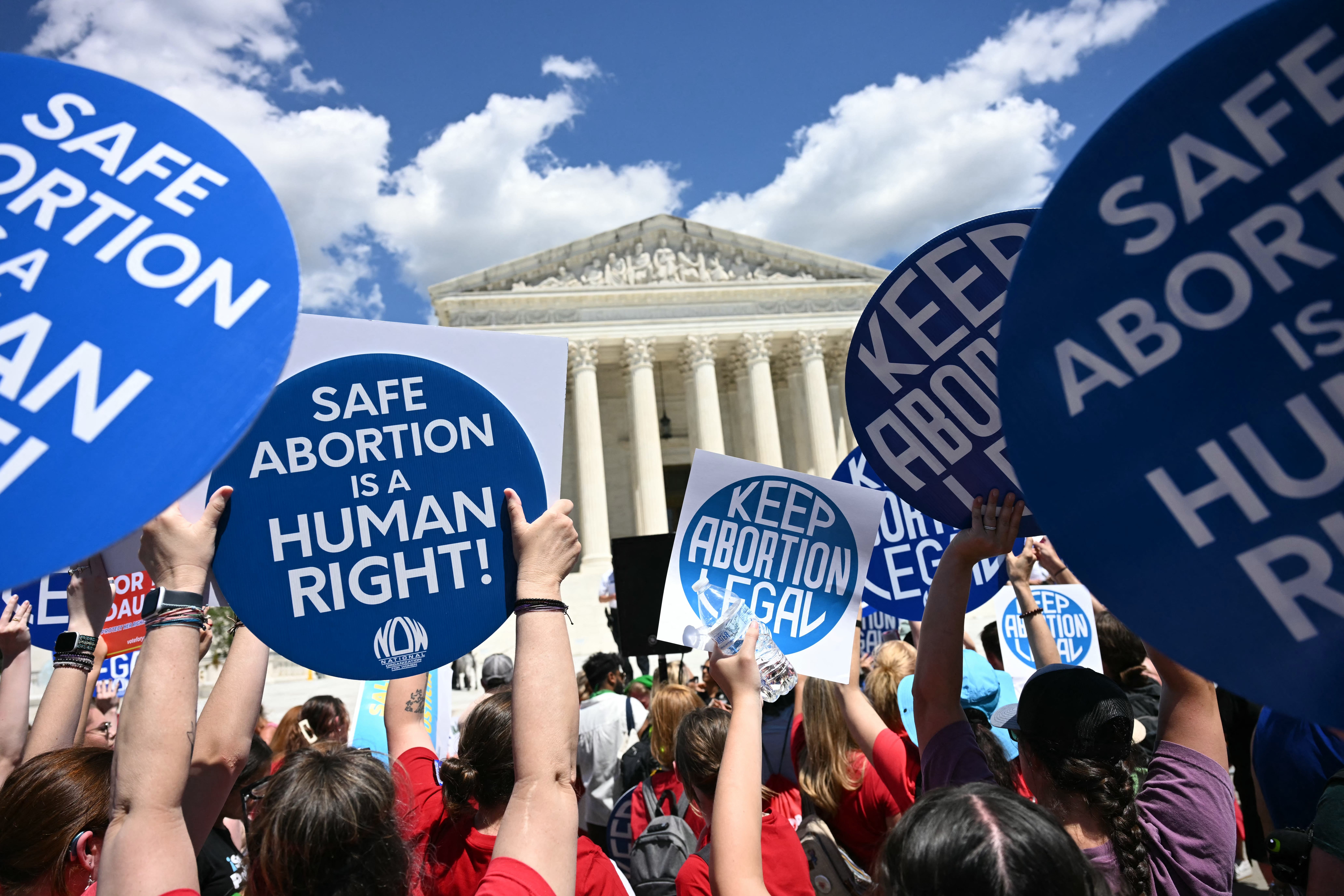
In recent months, the rallying cry ‘Your body, my choice’ has gained traction in the politically charged atmosphere of the United States, particularly following the events surrounding the election of Donald Trump. Initially articulated by political figures, the phrase has been co-opted and utilized by various factions, leading to a significant surge in discussions surrounding women’s autonomy.
What is the 4B Movement?
The 4B movement, which originated in South Korea, advocates for women abstaining from dating, marriage, sex, and childbirth with men as a form of protest against prevailing anti-women policies. Leora Tanenbaum, an author focusing on feminist issues, states, ‘We are in the most anti-women environment young women have ever experienced.’ This movement is seen not only as a personal choice but as a collective stand against misogynistic rhetoric and policies, particularly in the light of recent actions to limit women’s reproductive rights.
The Changing Landscapes of Feminist Sexuality
As public discussions around sexual agency evolve, feminist author Nona Willis Aronowitz emphasizes that the definition of ‘feminist sex’ is expanding. ‘Feminist sex is about actively desiring sex, not just adhering to traditional norms,’ she explains. This broadening of perspective reflects the diverse reasons individuals seek relationships and intimacy.
Challenges Women Face Today
Despite the emergence of movements like 4B, many women still seek connections with men, navigating a complex landscape shaped by limited abortion access and societal pressures related to hookup culture. Jordan Pickell, a trauma therapist, observes that women are increasingly vigilant about the risks inherent in sexual encounters, driving a shift toward evaluating partners based on shared values and ideals.
Conclusion
The 4B movement raises pertinent questions about women’s choices in a tense political climate. ‘It positions women as the gatekeepers of sexuality,’ Aronowitz warns, highlighting the importance of maintaining one’s sexual autonomy while making political statements. As women continue to fight for their rights and navigate their desires, the future will reveal whether movements like 4B can effect lasting change or if they will fade like previous political celibacy movements.
Comments are closed