
Understanding Stroke Risks and Prevention in Young Adults
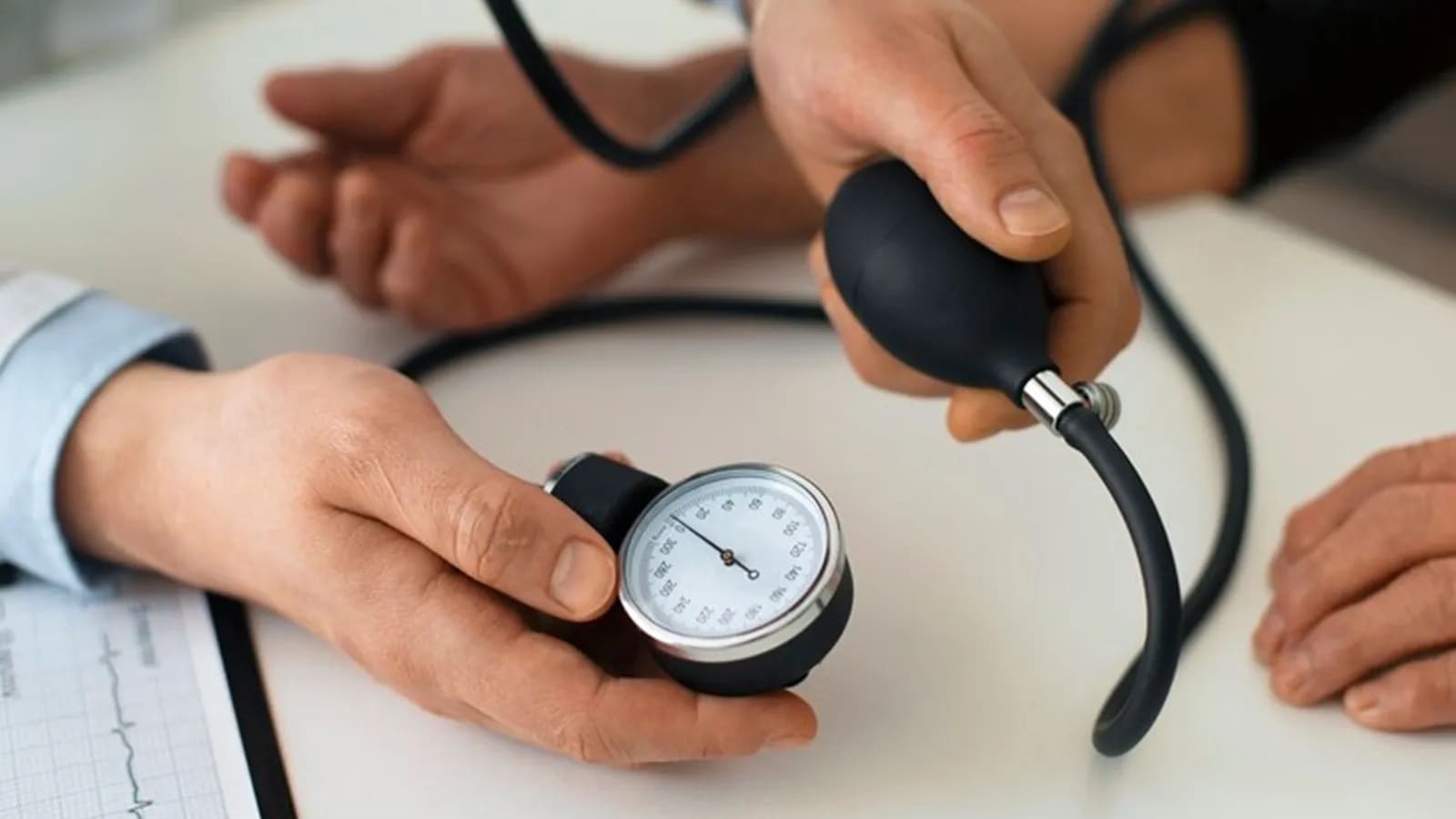
High blood pressure is one of the commonest risk factors for a stroke, which occurs when a blood vessel in the brain ruptures and bleeds or when there’s a blockage in the blood supply to the brain. Dr. Nasli R Ichaporia from Sahyadri Hospitals highlighted the critical nature of monitoring blood pressure for prevention.
The Case of Deepak Shinde
Take a look at Deepak Shinde, a 32-year-old security guard from Pune, who recently experienced a stroke. Thanks to prompt medical care, including a CT scan and thrombectomy, he was able to recover swiftly. He admitted, ‘I did get headaches, but I didn’t know that I was getting them because of my high blood pressure.’
Understanding Silent Risk Factors
Dr. Ichaporia emphasizes that unchecked blood pressure can pose severe problems. Over time, it damages arterial walls, increasing the risk of brain bleeds or clots that can lead to strokes. It is crucial for young adults to be aware of diabetes and cholesterol levels, which further complicate stroke risks.
Why Are Strokes Rising Among Young Adults?
Dr. Ichaporia links obesity, smoking, and a sedentary lifestyle to the increasing stroke incidence in younger populations. The urban lifestyle, with its poor diet and high-stress levels, exacerbates these risks. Research shows that half of all global stroke-related disabilities are attributed to hemorrhagic strokes, often triggered by high blood pressure.
How Can You Prevent a Stroke?
Monitoring and managing blood pressure, diabetes, and cholesterol is vital, along with a healthy diet rich in fruits and whole grains. Regular physical activity, such as 150 minutes of moderate-intensity aerobic activity weekly, is also beneficial. Dr. Ichaporia stresses the importance of regular health screenings starting in your 20s to catch potential issues early.
Final Thoughts
By understanding stroke risks and implementing prevention strategies, young adults can significantly enhance their health and well-being. Take charge of your health today to prevent tomorrow’s crises.
Comments are closed