
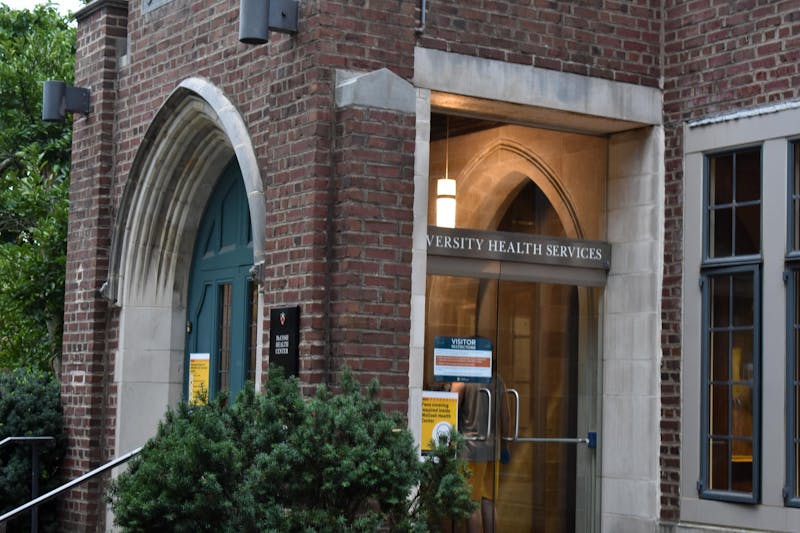
Princeton’s Mental Health Crisis
Princeton University is currently facing a significant mental health crisis that has raised alarms among students and faculty. According to reports, over 25% of the Class of 2024 has met the criteria for additional depression screenings, and nearly 80% of the Class of 2023 had considered pursuing mental health counseling.
Proposed Solution: Well-Being Days
One potential solution that has garnered attention is the introduction of University well-being days, where classes would be canceled and a variety of mental health and wellness events would be organized. This initiative aims to alleviate the overwhelming stress that students experience.
Benefits of Mental Health Days
According to the Mayo Clinic, taking a day away from responsibilities can significantly reduce stress, prevent burnout, and enhance overall happiness and productivity. The cancellation of classes on well-being days, instead of merely allowing students to opt-out, would encourage a greater number of students to participate.
Cautions from Other Institutions
However, it’s essential for Princeton to learn from other institutions’ experiences with similar initiatives. For instance, Northeastern University’s system of optional mental health days led to some students feeling they had to compensate by doing more work, which counteracts the purpose of taking a day off.
Implementing Successful Well-Being Days
Successful implementation of well-being days requires a careful balance in scheduling, ensuring they do not coincide with busy periods like mid-terms. Concerns have been raised about assignment deadlines and exams being scheduled immediately following well-being days, which can prompt students to prioritize schoolwork rather than relaxation.
Conclusion: A Call for Reform
A well-structured calendar that incorporates these well-being days could provide Princeton students with a much-needed chance to recharge academically and mentally. A comprehensive approach to mental health at Princeton could pave the way for a healthier, more vibrant student community.
Comments are closed