
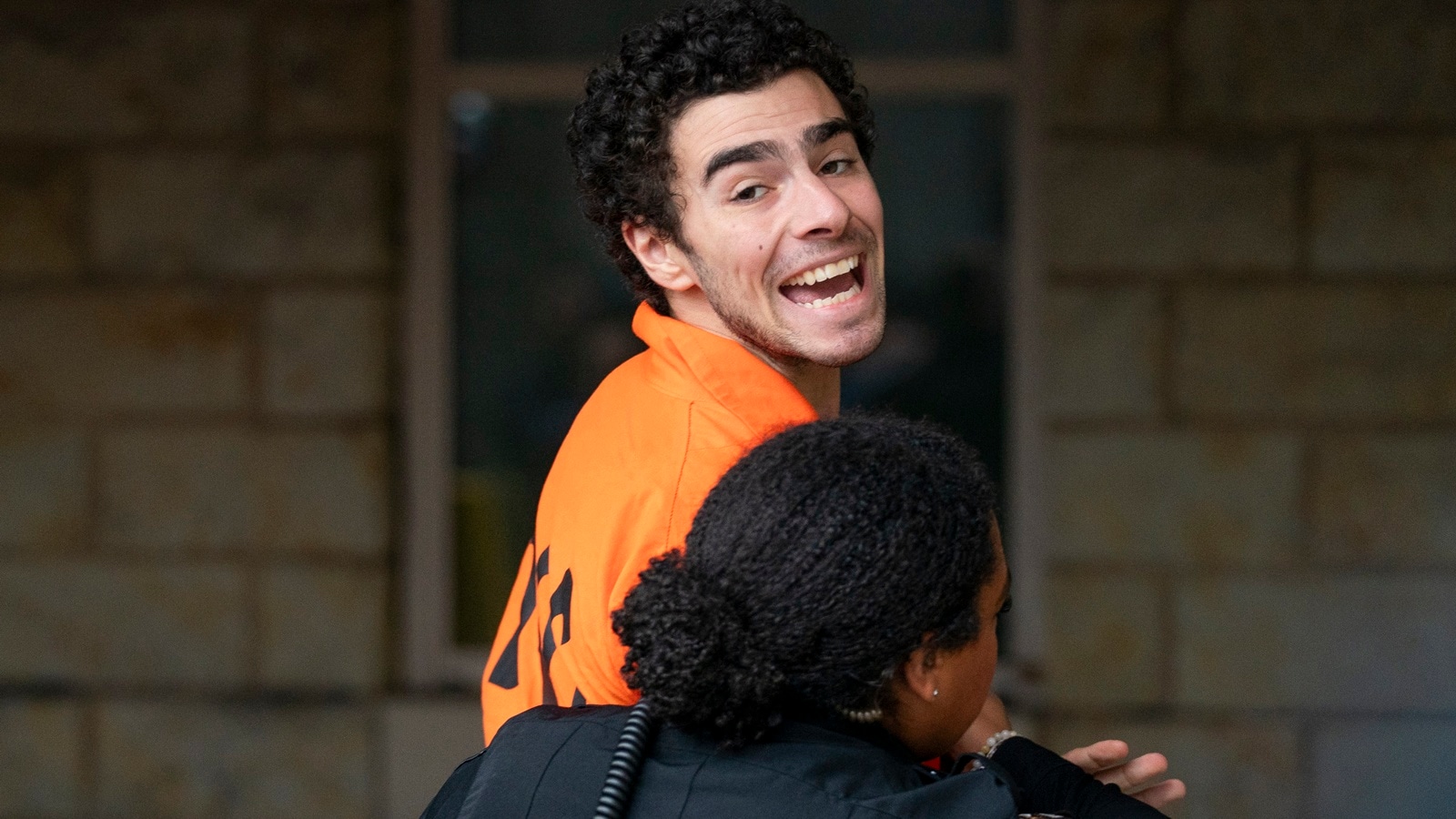
In a tragic turn of events, 26-year-old Luigi Nicholas Mangione has emerged as the primary suspect in the fatal shooting of UnitedHealthcare CEO Brian Thompson in New York City. Once a promising student and member of a wealthy Maryland family, Mangione led a seemingly charmed life as the grandson of a successful real estate developer.
Details surrounding Mangione’s background reveal a stark contrast to his current situation. His early life was marked by academic success—he graduated as valedictorian from an elite Baltimore prep school and earned degrees from the University of Pennsylvania. Friends described him as ‘a great guy’ during his stay at a co-living residence in Hawaii, portraying a young man engaged in sports and social activities.
The Crime and Community Reactions
Investigators are currently piecing together the motivations behind Mangione’s alleged violent actions, which have ignited widespread debate about corporate greed in the healthcare industry. Following the shooting, some individuals expressed a misguided hero sentiment towards Mangione, which was quickly countered by Pennsylvania Governor Josh Shapiro, who asserted, ‘In some dark corners, this killer is being hailed as a hero. Hear me on this, he is no hero.’
A Glimpse into His Family Background
Luigi Mangione hails from a prominent family; his grandfather, Nick Mangione, was a respected real estate developer known for projects like the Turf Valley Resort near Baltimore. The family’s charitable contributions were significant, showcasing a history of philanthropy that seems inconsistent with Mangione’s current predicament. A statement from the family expressed their devastation over his arrest, offering prayers to the victim’s family while grappling with disbelief over the events that unfolded.
Understanding the Suspect’s Motivations
As details emerge, it appears that Mangione’s motives may stem from a deep-seated resentment towards health insurance companies, which he characterized as ‘parasitic’. Law enforcement sources indicated that he considered the killing to be a symbolic act against corporate greed, expressing a belief that the U.S. healthcare system is the most expensive globally, without corresponding improvements in public health outcomes. His troubling ideological leanings, including admiration for figures like Ted Kaczynski, add complexity to his profile.
A Call for Holistic Approaches
This incident provokes a broader reflection on mental health support within high-stress environments. The tragic trajectory of Mangione highlights the need for workplace wellness policies that prioritize mental health to mitigate potential crises among young professionals. Stakeholders across sectors are urged to consider comprehensive wellness frameworks that address mental well-being, potentially preventing future tragedies.
As the story develops, society must grapple with the interconnectedness of mental health, corporate responsibility, and societal values. Will this tragedy initiate meaningful discussions and changes, or will it remain a cautionary tale of a life gone awry?
Comments are closed