
Understanding Shingles
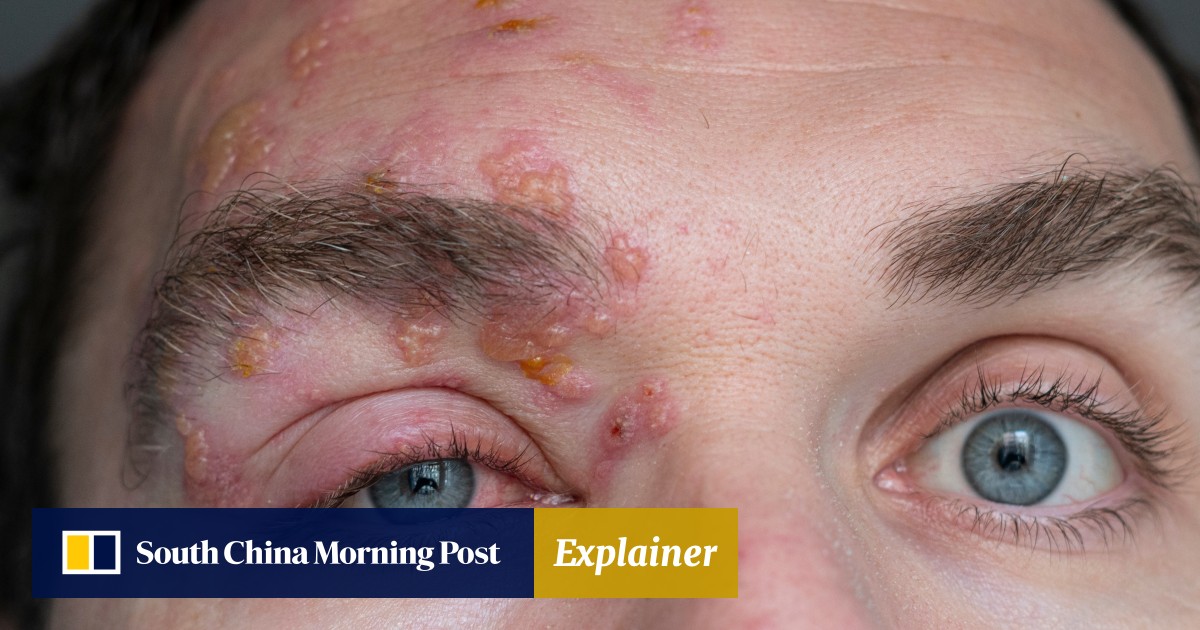
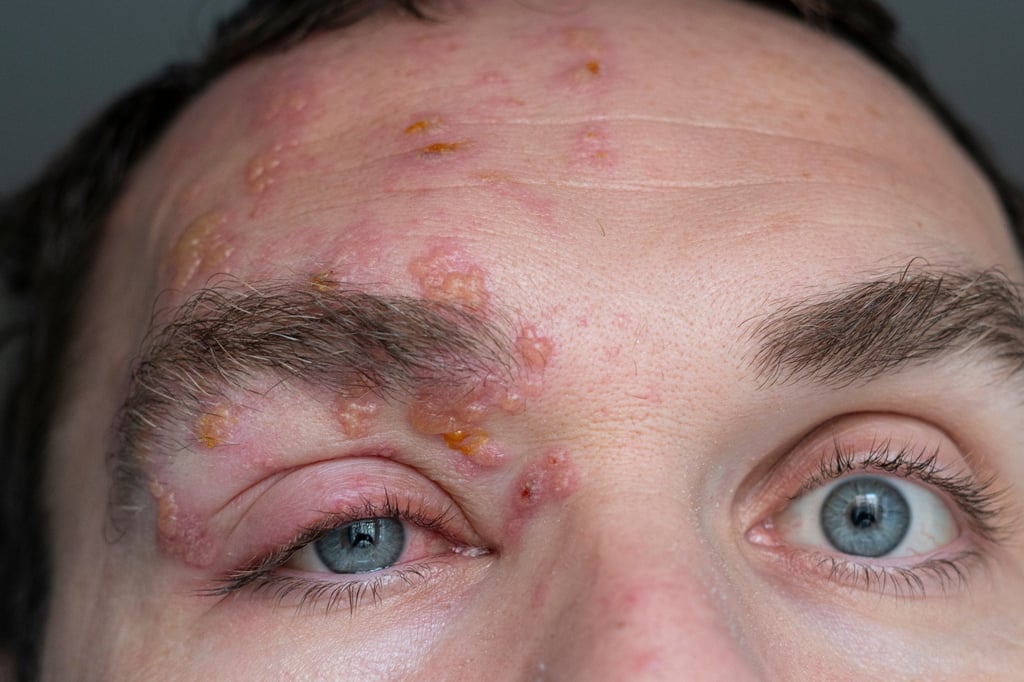
In Cantonese culture, shingles is referred to as sang se, which translates to ‘growing snakes’, due to the characteristic appearance of the rash that appears to slither beneath the skin. The term ‘shingles’ originates from the Latin word cingulum, meaning belt, reflecting the common presentation of the rash as a band encircling one side of the waist.
It is important to be aware of shingles, also known as herpes zoster, as it affects many individuals, particularly those who have previously had chickenpox. The varicella-zoster virus (VZV) is to blame, as it is the same virus responsible for chickenpox. After recovering from chickenpox, the virus lies dormant in the body, only to reactivate later as shingles.
Risk and Prevalence
In Hong Kong, a staggering 97% of adults aged 40 and above carry antibodies to the VZV, making chickenpox a prevalent infectious disease within the region. Dr. Wong Sze-man of Marina Medical reports that approximately three to five individuals out of every 1,000 will develop shingles each year in Hong Kong. This statistic mirrors the Centers for Disease Control and Prevention (CDC) findings in the United States, which highlight that one in three people will experience shingles at some point in their lives.
Conclusion
Being informed about shingles is crucial, as it poses a significant threat to many, especially those over the age of 40. Understanding its causes, symptoms, and prevention methods can significantly reduce the risk and impact of this painful virus.
Comments are closed