
As the winter months approach, many people find themselves at risk of falling ill to various viruses, including flu, COVID-19, norovirus, and the common cold. Health experts suggest that the increased circulation of these germs may be attributed to our tendency to stay indoors in cold, dry air, which can weaken our defenses against such illnesses.
Identifying Symptoms of Common Illnesses
It is essential to differentiate between the various illnesses as their symptoms can overlap. Here’s a quick rundown:
- Norovirus: This foodborne illness often spreads through contaminated water and surfaces, leading to vomiting, diarrhea, nausea, and stomach pain for about one to three days.
- The Common Cold: Symptoms might include a runny nose, cough, and mild fever, generally lasting less than a week.
- The Flu: Symptoms like high fever, chills, sore throat, and body aches manifest quickly and can last from a few days to two weeks.
- COVID-19: Common indicators include fever, cough, shortness of breath, and fatigue, lasting several days.
- RSV: Typically causes a runny nose and fever, lasting up to two weeks.
Handwashing: Your Best Defense
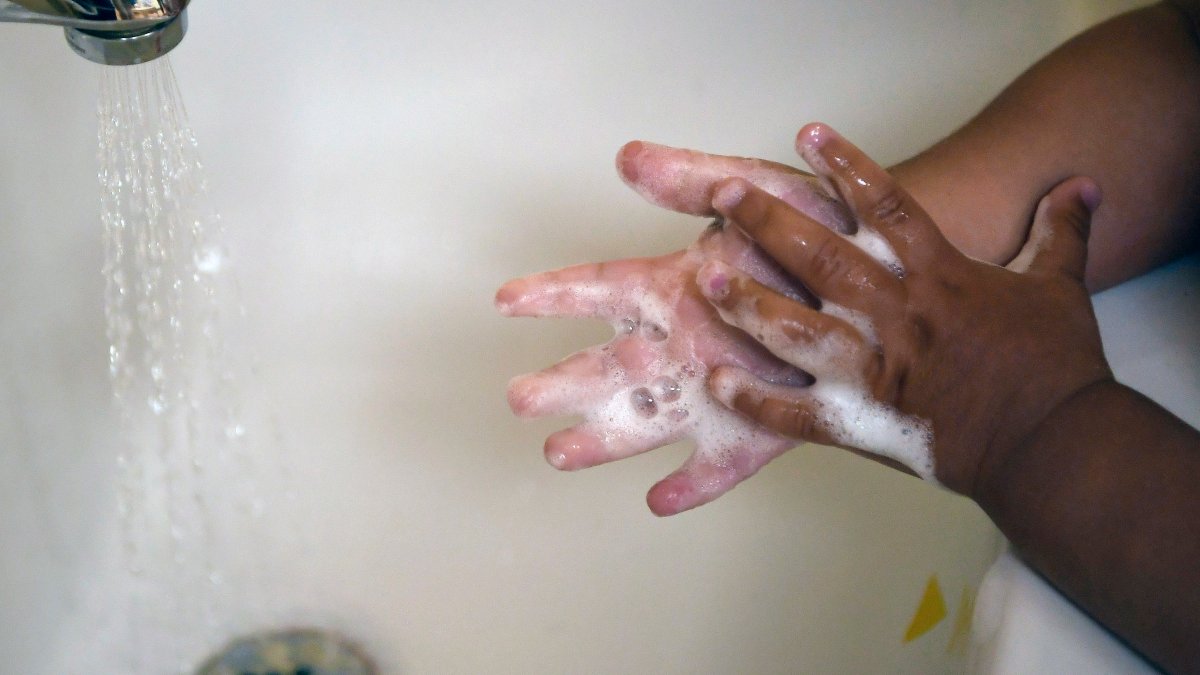
One of the most effective ways to protect yourself is through regular handwashing with soap and water, especially after using the bathroom or handling food. The U.S. Centers for Disease Control and Prevention (CDC) recommends scrubbing your hands for twenty seconds. In the absence of water, a hand sanitizer with at least 60% alcohol can serve as a secondary option.
Cleaning to Prevent Illness
If you or someone in your vicinity contracts norovirus, it’s crucial to disinfect all surfaces that might have come into contact with contaminated food or bodily fluids using a chlorine bleach solution. Regular cleaning of frequently touched surfaces, such as doorknobs, can also reduce the risk of spreading germs.
Avoid Touching Your Face
Viruses can enter your system via your eyes, nose, and mouth. Keeping your hands away from your face can significantly reduce your chances of getting sick.
Vaccination Considerations
Staying updated with COVID-19 vaccines and annual flu shots is recommended for those eligible. While no vaccines exist for norovirus or the common cold, preventive measures should always be a priority.
The Importance of Rest
Adequate rest, hydration, and stress management can help bolster your immune system, making it more effective against viruses.
What to Do If You Get Sick
If symptoms develop, early testing can help determine whether you have COVID-19 or influenza. It’s particularly important to stay at home and recover, preventing the transmission of the illness to others.
In dealing with a cold or flu, rest, hydration, and over-the-counter pain relievers can alleviate symptoms, while rehydration is critical for norovirus. If symptoms persist, consult a healthcare provider.
By taking simple precautions, you can navigate through the winter months with relative ease and health, even as cold and flu season peaks.
Comments are closed