
Introduction
The landscape of consumer behavior is witnessing a significant transformation, with health-conscious consumers leading the charge. These individuals prioritize their physical, mental, and environmental well-being when making purchasing decisions. They lean towards organic, natural, and plant-based foods as well as functional products like supplements and performance enhancers.
Tech-savvy consumers are increasingly utilizing technology to track their health, with mental health awareness gaining traction, driving demand for stress-reducing and mindfulness products. Retailers are adapting by offering health-focused products and services, creating significant growth opportunities in various sectors.
Key Consumer Insights
- From 2021 to 2026, protein intake is projected to grow, particularly in China and Hong Kong, leading with a 10.2% increase.
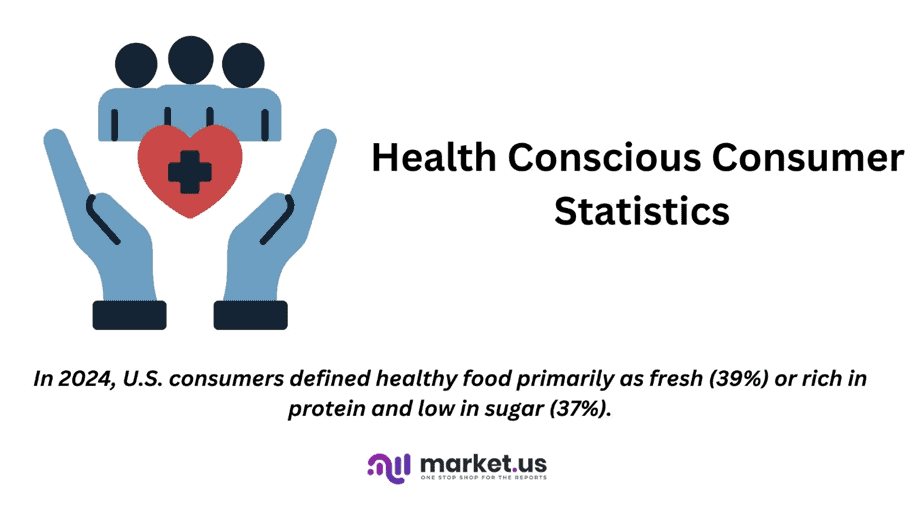
- In 2024, fresh food and low-sugar diets were defined as healthy by 39% and 37% of U.S. consumers, respectively.
- Nigeria (82%) and Kenya (81%) recorded the highest proportions of consumers actively trying to eat healthily.
- 67% of Indian respondents reported trying to maintain a healthy diet in 2024, reflecting increasing focus on health.
- The Philippines has the highest share of fast food delivery app users in Asia at 85% as of April 2023.
Market Growth Dynamics
The global market for functional and natural health food, alongside the healthy snacks market, has exhibited robust growth. In 2023, the functional market is estimated at USD 23.5 billion and is expected to reach USD 38.5 billion by 2033. Similarly, the healthy snacks market valued at USD 85.6 billion in 2021 is projected to grow to USD 152.5 billion by 2030.
Consumer Preferences and Demographics
Understanding the demographics of health-conscious consumers reveals a growing trend across age groups, with older consumers showing a higher likelihood of attempting to eat healthily. Substantial proportions of consumers across various countries express preferences for healthier food options.
The evolving landscape reveals how the interconnectivity between diet, well-being, and sustainability is shaping purchasing decisions and market behaviors.
Conclusion
The continuous rise of health-conscious consumers is reshaping market dynamics globally. As they increasingly prioritize natural and sustainable options, the demand for innovative and health-focused products is set to drive growth across myriad sectors.
FAQs
- What defines a health-conscious consumer? A health-conscious consumer actively seeks products contributing to physical and mental well-being, often favoring organic and sustainable options.
- Are health-conscious consumers willing to pay more? Yes, many health-conscious consumers are inclined to pay a premium for perceived healthier and sustainable food options.
- How do health-conscious consumers view sustainability? Sustainability is integral to health-conscious consumers, many seeking products that align with their health and environmental values.
Comments are closed