
Revolutionizing Water Accessibility: Akvo’s Atmospheric Water Generators
In a world that is increasingly threatened by water scarcity, Akvo, an Indian company, is changing the way we look at this vital resource. The company has developed Atmospheric Water Generators (AWGs), which extract drinkable water from atmospheric humidity. By mimicking natural condensation processes, these machines produce clean drinking water and offer a sustainable alternative to traditional sources of water.
How do AWGs work?
AWGs work on the principle of condensation, just like how dew forms in nature. The process begins by drawing air from the atmosphere via a three-layer filtration system that removes dust and impurities. The purified air is then cooled in a condenser, where moisture condenses into tiny water droplets as the temperature falls below the dew point.
Final product meets drinking water standards
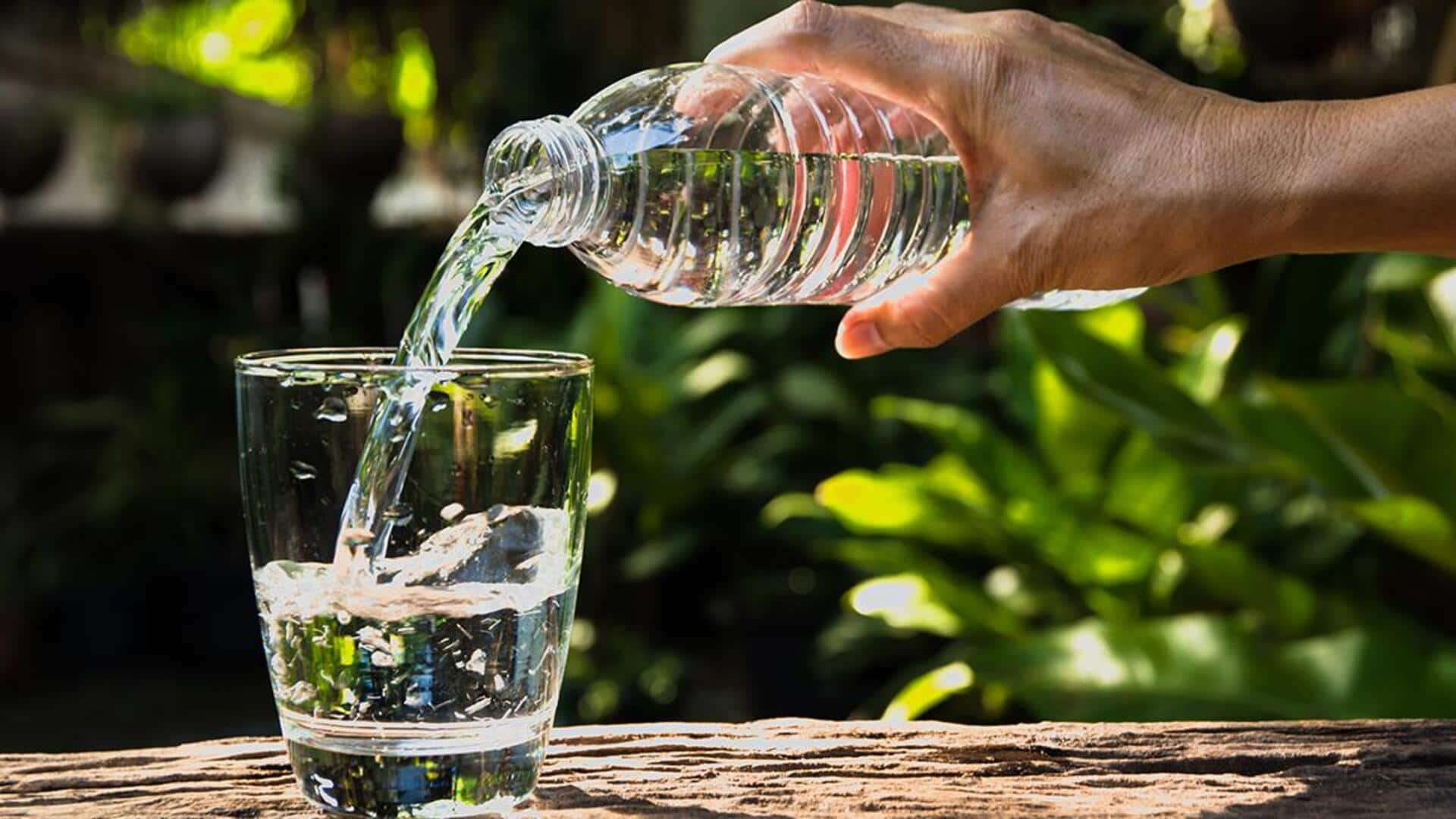
Once water droplets are collected in a storage tank, they are filtered multiple times to ensure they meet drinking water standards. The end product is potable water ready for consumption, making this process an energy-efficient and sustainable alternative to groundwater extraction and bottled water dependency.
AWGs are designed to function even in moderate humidity
CEO and Founder of Akvo, Navkaran Singh Bagga, mentioned that the biggest challenge was optimizing efficiency. ‘Balancing energy consumption while maximizing water output, especially in varying climatic conditions was a challenge,’ he explained. He added that innovations in heat exchange, filtration, and IoT monitoring have greatly improved the reliability and affordability of AWG technology over the years.
Best suited for warm, humid environments
Bagga explained that while AWG technology is groundbreaking, it thrives best in warm, humid environments. These regions include coastal areas where temperatures range between 21°C to 32°C and humidity levels exceed 40%. However, Akvo has designed its AWGs to function even in moderate humidity, making them suitable for various geographical locations.
AWGs tap into an inexhaustible resource
AWGs draw from an estimated 3,100 cubic miles of water vapor in Earth’s atmosphere, a resource that is constantly replenished by nature’s hydrologic cycle. Bagga emphasized that unlike groundwater extraction, which depletes natural reserves, or desalination, which consumes large amounts of energy, atmospheric water generation is a low-impact, renewable solution. This technology holds promise for communities facing severe droughts and water pollution problems.
Comments are closed