
Restoring Hope: Funding for Women’s Health Initiative to Continue
The Trump administration’s recent commitment to reinstate funding for a long-term study on women’s health marks a pivotal moment in medical research. The Women’s Health Initiative (WHI), a 30-year project involving over 160,000 women, has been instrumental in uncovering vital health insights related to cancer, hormone therapy, chronic diseases, aging, and osteoporosis.
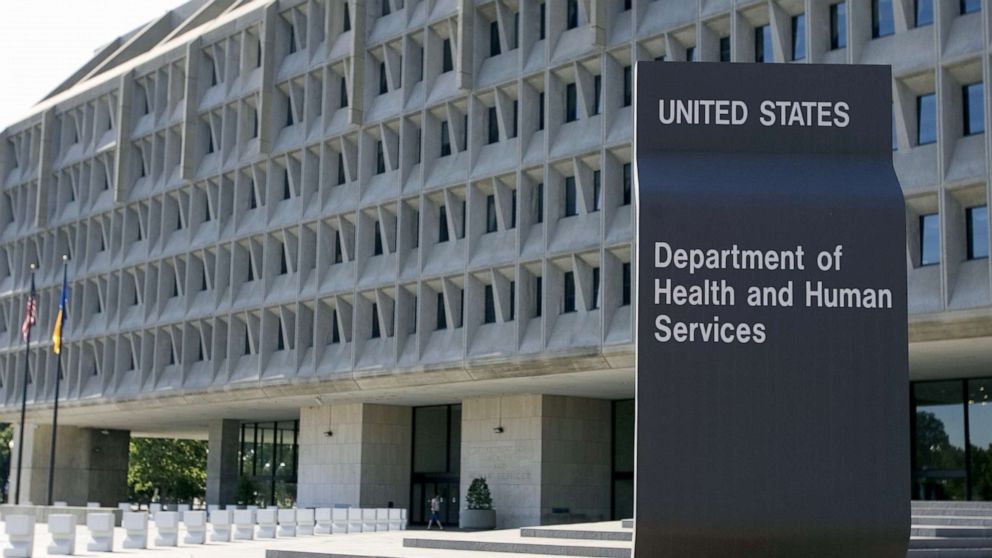
The Department of Health and Human Services (HHS) stated in a recent communication that it will reverse the previous decision to cut funding, emphasizing the study’s importance in advancing public health. ‘These studies represent critical contributions to our better understanding of women’s health,’ the agency noted, reaffirming its dedication to supporting essential research efforts.
The Significance of the Women’s Health Initiative
Led by prominent researchers such as Garnet Anderson and Dr. JoAnn E. Manson, the WHI has provided groundbreaking data on various health topics affecting women. Findings have influenced medical guidelines and improved preventative strategies for chronic diseases, cancers, and conditions related to pregnancy and aging.
Anderson highlighted the impact of the study: ‘We have accumulated priceless data over three decades, including blood samples from hundreds of thousands of women, which could still be vital for future discoveries.’
Funding Uncertainty and Scientific Impact
Despite the positive announcement, some researchers remain cautious. Anderson expressed her concerns: ‘The decision-making process is still opaque, and it is uncertain whether the bio-specimens can be fully preserved and utilized for ongoing or future research.’
Dr. Manson added that the potential disruption could hamper the training of new researchers and limit the ongoing collection of data from participants, some of whom are over 90 years old and living actively.
She emphasized that the WHI has played a crucial role in understanding women’s health, especially at a time when women were historically excluded from medical research research, underscoring its legacy and ongoing importance.
Broader Implications and Future Outlook
The decision to reconsider funding underscores the value placed on scientific research but also highlights the need for transparency and strategic planning in health policy. As researchers await official confirmation, questions remain about how this study will proceed and how their work can continue to inform public health initiatives.
With the potential for renewed support, the WHI could continue to uncover insights that improve health outcomes for women worldwide, highlighting the enduring significance of long-term, large-scale medical research efforts.
What Does This Mean for the Future?
The ongoing debate over research funding reflects broader issues about prioritizing scientific studies in a complex healthcare landscape. As experts and policymakers navigate these decisions, the ultimate goal remains clear: advancing health and well-being for women through persistent and well-supported scientific inquiry.
Comments are closed