
Introduction: A Bold Step in U.S. Health Policy
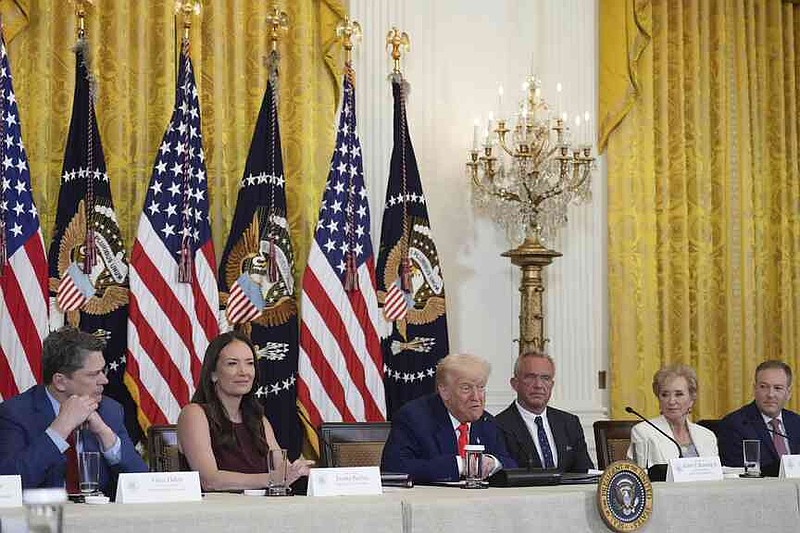
On Thursday, a significant government report titled ‘Make America Healthy Again’ was unveiled, marking a notable moment in American public health discourse. The report, presented at the White House, reflects some of the most debated issues surrounding vaccines, diet, and chemicals in food production. It has garnered praise from President Donald Trump, who expressed his commitment to tackling chronic diseases.
Content and Focus of the Report
The 69-page document advocates for increased oversight of childhood vaccinations, calling for more clinical trials and reassessment of school vaccine mandates. While it stops short of linking vaccines directly to health problems like autism or obesity, it questions the current vaccine schedule and its safety parameters. Health Secretary Robert F. Kennedy Jr., who presented the report, noted that ‘never before has the federal government taken such a definitive stand on public health.’
Food, Pesticides, and the Environment
The report critically examines the use of pesticides such as glyphosate, a chemical linked by WHO to cancer risks, though the EPA regards it as unlikely to cause such issues. Despite raising concerns about chemicals, government officials insisted that the U.S. food supply remains safe. The debate extends to the environmental impact of pesticides, with some stakeholders calling for more regulation, while others fear that such measures could hinder agricultural growth.
Supporters of Kennedy’s stance pushed for stricter limits on pesticide use, highlighting links to human health issues. Conversely, industry representatives, such as the National Corn Growers Association, criticized the report’s chemistry-based fears as unfounded, emphasizing the importance of scientific consensus.
Nutrition Crisis and Food Consumption Trends
The report condemns ultraprocessed foods, which form the majority of diets for many American children and teens, citing their association with adverse health outcomes. It advocates for increased consumption of fruits, vegetables, nuts, and fish, while noting the absence of discussions on excess salt intake in the report. Experts like Dr. Dariush Mozaffarian support the report’s focus on nutrition, calling it a “pretty accurate depiction of the nutritional crisis facing the country.”
Market and Industry Perspectives
Alongside health policy debates, another market booming is the wellness patch industry, projected to grow significantly by 2033. According to Verified Market Reports, this segment is expected to reach USD 2.5 billion by 2033, driven by trends toward non-invasive health solutions and personalized wellness devices.
Major companies like LifeWave, PainPod, and Neutrogena are leading players, innovating with products such as transdermal patches, aromatherapy patches, and vitamin patches. The market’s growth is fueled by increasing health consciousness and technological advances, including AI and IoT integration.
Conclusion: The Future of American Public Health
The ‘Make America Healthy Again’ report signals a shift toward more scrutinized health policies, emphasizing prevention and regulation. While some critics worry about a rise in regulatory overreach, supporters believe it’s a necessary step toward curbing chronic disease and improving overall health. What steps will the government take next, and how will industries adapt?
For those interested in the future of health and wellness in the U.S., this report marks a call to action to reassess and innovate for a healthier nation.
Comments are closed