Introduction
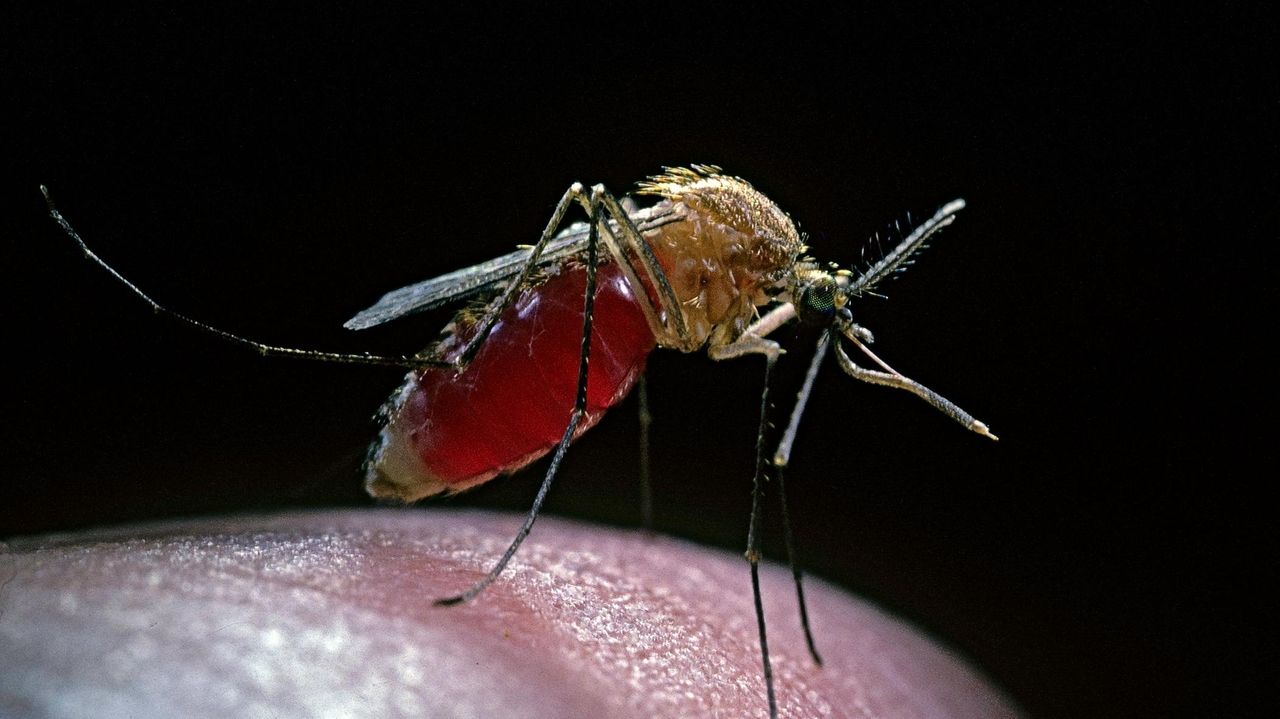
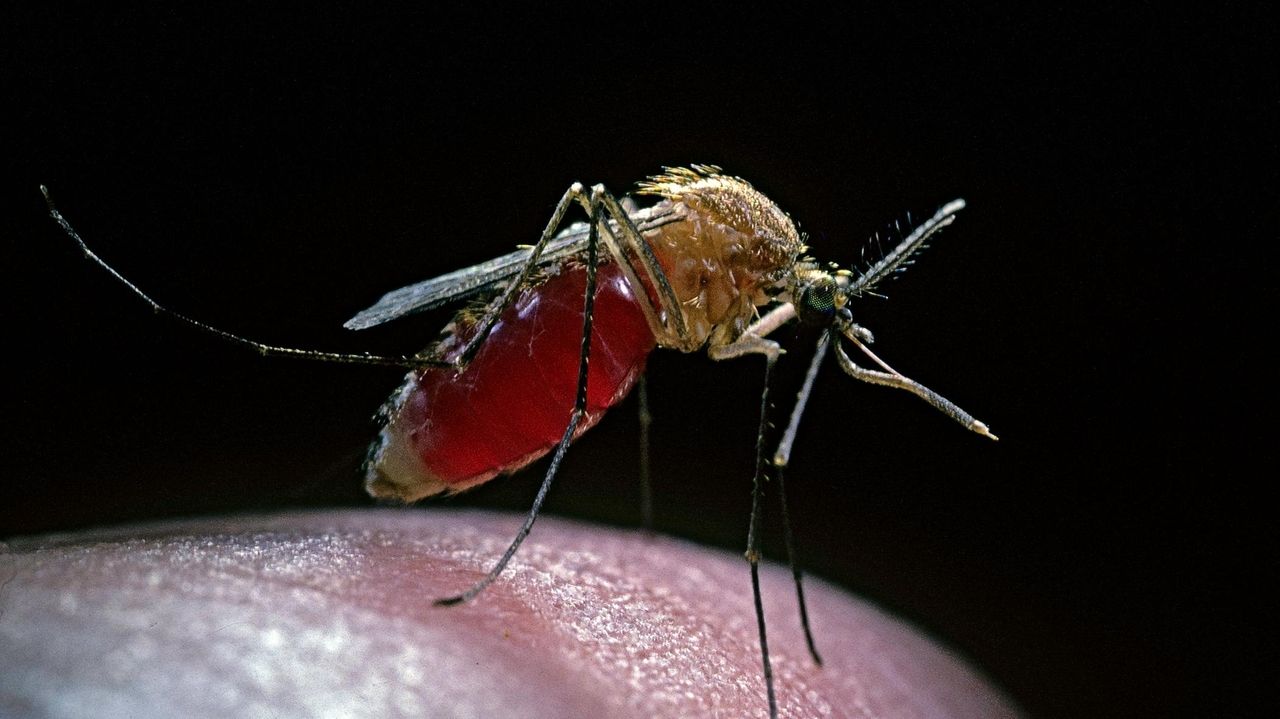
For the 26th straight year, Suffolk health officials have detected the West Nile virus in locally caught mosquitoes.
Recent Findings
Suffolk County Health Commissioner Dr. Gregson Pigott announced that four mosquito samples have tested positive for West Nile virus. The insects were collected on June 26 from Nesconset, North Patchogue, Smithtown, and West Babylon.
Suffolk County health department officials regularly collect the specimens from traps placed throughout the county and send them for testing during mosquito season. This year’s process began several weeks ago, according to a health department spokesperson. These four mosquitos are the first batch to test positive for West Nile this year.
Expert Opinion
“The confirmation of West Nile virus in mosquito samples indicates the presence of West Nile virus in the area,” said Pigott. “While there is no cause for alarm, we advise residents to cooperate with us in our efforts to reduce exposure to West Nile virus and other mosquito-borne diseases.”
Historical Context
West Nile virus was first detected in birds and mosquito samples in Suffolk County in 1999. Figures on both positive mosquito samples and human cases vary annually. Last year, Suffolk County health officials reported 99 positive mosquito samples and five human cases of West Nile.
Transmission and Symptoms
Infected mosquitoes can transmit the virus to humans through a bite. According to health officials, humans infected with West Nile virus typically experience mild or no symptoms. Some infected individuals develop severe symptoms including high fever, headache, disorientation, coma, tremors, convulsions, muscle weakness, vision loss, numbness, and paralysis, which last several weeks. Neurological effects may be permanent.
Precautionary Measures
Health officials emphasize that anyone aged 50 and older and anyone with a compromised immune system should take precautions to avoid being bitten by mosquitoes. According to Pigott, such precautions include minimizing outdoor activities between dusk and dawn, wearing socks, shoes, long pants, and long-sleeved shirts, applying mosquito repellent, and cleaning containers that hold water, such as vases, pet water bowls, and birdbaths, once a week.
Reporting and Assistance
Health officials said dead birds may indicate the presence of the West Nile virus. They ask the public to photograph and report dead birds to the Bureau of Public Health Protection by calling 631-852-5999 weekdays from 9 a.m. to 4 p.m. Residents can report mosquito problems or stagnant pools of water by calling the Department of Public Works’ Vector Control Division at 631-852-4270.
Conclusion
While the presence of West Nile virus in Suffolk County is not a cause for immediate alarm, it is essential to stay informed and take preventive measures to protect yourself and your loved ones.
For more information, visit the original article on Newsday.
No responses yet