Recent Developments in U.S. Healthcare Policy
The conversation surrounding healthcare policy in the United States is evolving, particularly in light of recent developments under the Trump administration. An academic journal, Health Affairs Scholar, has published an issue aimed at inspiring a shift in how healthcare is perceived and managed.
Seeking a New Direction
Dr. Victor Roy, a family physician and the director of the health and political economy project at the New School in New York City, emphasized the urgent need for a paradigm shift. He stated, ‘There is a sense people are fed up and looking for bigger alternatives.’ This statement reflects a growing frustration among the public regarding existing healthcare shortcomings and the desire for transformative solutions.
Impact of the Trump Administration
The Trump administration has implemented drastic changes, notably scrubbing government health websites of critical information and reviewing scientific grant applications to align with its agendas. Such actions have raised significant concerns about the future of public health institutions and access to care.
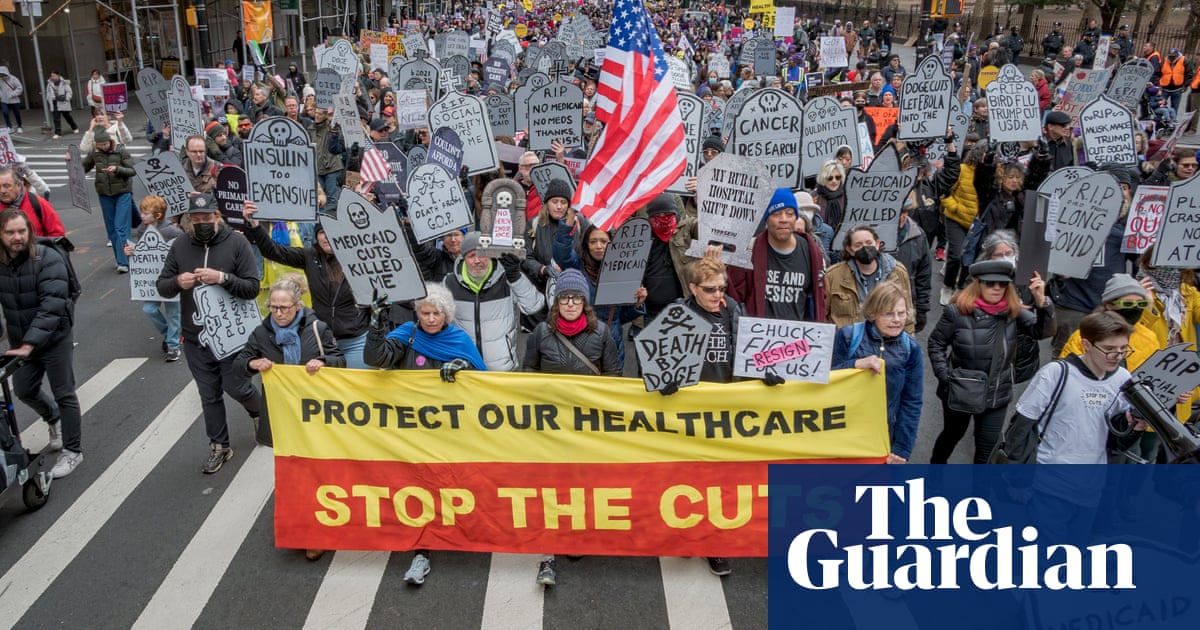
Recent discussions included proposals for major cuts to Medicaid, a program crucial for low-income constituents, raising alarms about the potential ramifications for approximately 72 million insured Americans.
Exploring Innovative Solutions
Dr. Roy suggests focusing on upstream solutions rather than peripheral adjustments. Highlighting initiatives like the Philadelphia Joy Bank, which provides financial support for pregnant and postpartum women, he advocates for new approaches to social services that could alleviate burdens on vulnerable populations.
Moreover, Connecticut’s baby bonds initiative introduces a novel concept aimed at reducing economic inequality by investing in low-income children’s futures. These forward-thinking policies showcase a more inclusive approach to healthcare and socioeconomic challenges.
Broader Implications
As we navigate these complex discussions, the necessity for a fresh outlook on U.S. healthcare is clear. According to Kathryn A. Phillips, editor-in-chief of Health Affairs Scholar, the prevailing policies are ‘leaving people behind, including rural and low-income residents.’ She asserts the importance of investments that prioritize patients and community health.
Moving forward, fostering dialogue between policymakers and communities could pave the way for meaningful reforms aimed at enhancing the well-being of all Americans.
Comments are closed