
Understanding Intermittent Fasting
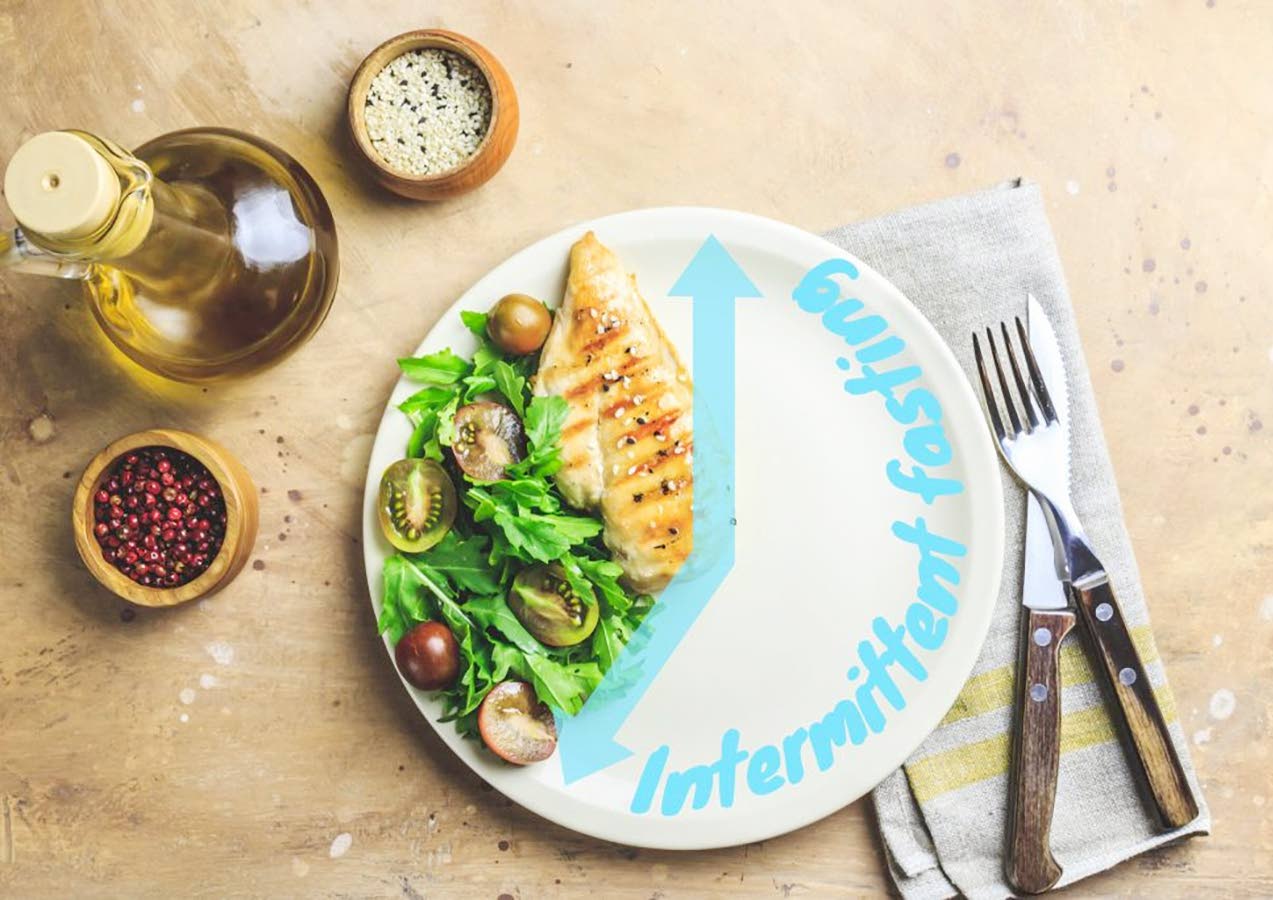
For centuries, fasting has been intertwined with spiritual renewal and cleansing practices. One notable biblical story involves the people of Nineveh, who fasted and prayed, sparking a profound transformation. Today’s approach to fasting has evolved into intermittent fasting, which is gaining attention not only as a spiritual exercise but also as a lifestyle change supported by scientific research.
The Basics of Intermittent Fasting
Proponents of intermittent fasting argue it is a valuable method for enhancing overall health. The practice entails structured periods of abstaining from food, followed by intentional eating windows. A well-known method is the 16:8 approach: fasting for 16 hours and consuming meals within an eight-hour timeframe. During fasting, glucose levels decrease, prompting the body to tap into its fat reserves for energy. This transition not only aids weight loss but also triggers a vital cellular clean-up process called autophagy.
Exploring Autophagy
Autophagy, meaning ‘self-eating’ in Greek, is critical for recycling damaged cellular components. This process came to prominence when Yoshinori Ohsumi won the 2016 Nobel Prize in Physiology or Medicine for his research. As noted by the Cleveland Clinic, autophagy becomes active when cells encounter stress or nutrient deprivation, such as during extended fasting. It effectively breaks down unhealthy cells, viruses, and bacteria while rejuvenating healthy ones, promoting balance and overall well-being.
Benefits and Considerations
The impact of autophagy stretches beyond cellular renewal. Preliminary studies suggest it can support lifespan extension, possess anti-aging properties, and help prevent diseases linked to damaged cellular material, such as neurodegenerative disorders and cancer. However, scientists highlight the need for further investigation to unlock autophagy’s full potential for disease treatment.
Many individuals who have explored both spiritual and lifestyle fasting report significant transformations. One participant remarked, ‘The results of my spiritual fasting were enriching for my mind, and the physical changes from intermittent fasting were equally rewarding.’ Nonetheless, it is prudent to consult with healthcare professionals before starting any fasting regimen, especially for those with chronic conditions.
A Path to Better Health
Intermittent fasting is more than just a tool for weight management; it serves as a pathway toward a more balanced and healthier life. By embracing this ancient tradition, modern science suggests that we can access our body’s innate capacity to heal and renew. As the Ministry of Health and Wellness in Jamaica emphasizes, ‘Your health matters’—and engaging in practices like intermittent fasting can be a proactive step toward a healthier you!
When seeking health information online, it is essential to rely on credible sources. Always consult healthcare providers for personalized advice and verify information from trusted websites ending in .org, .gov, or .edu.
Alaphiah Campbell-Byfield, PhD, RGN, JP, is devoted to health, education, social change, and sustainable development.
Comments are closed