
How do you help Gen Z with oppositional defiant disorder? Hong Kong psychologists explain
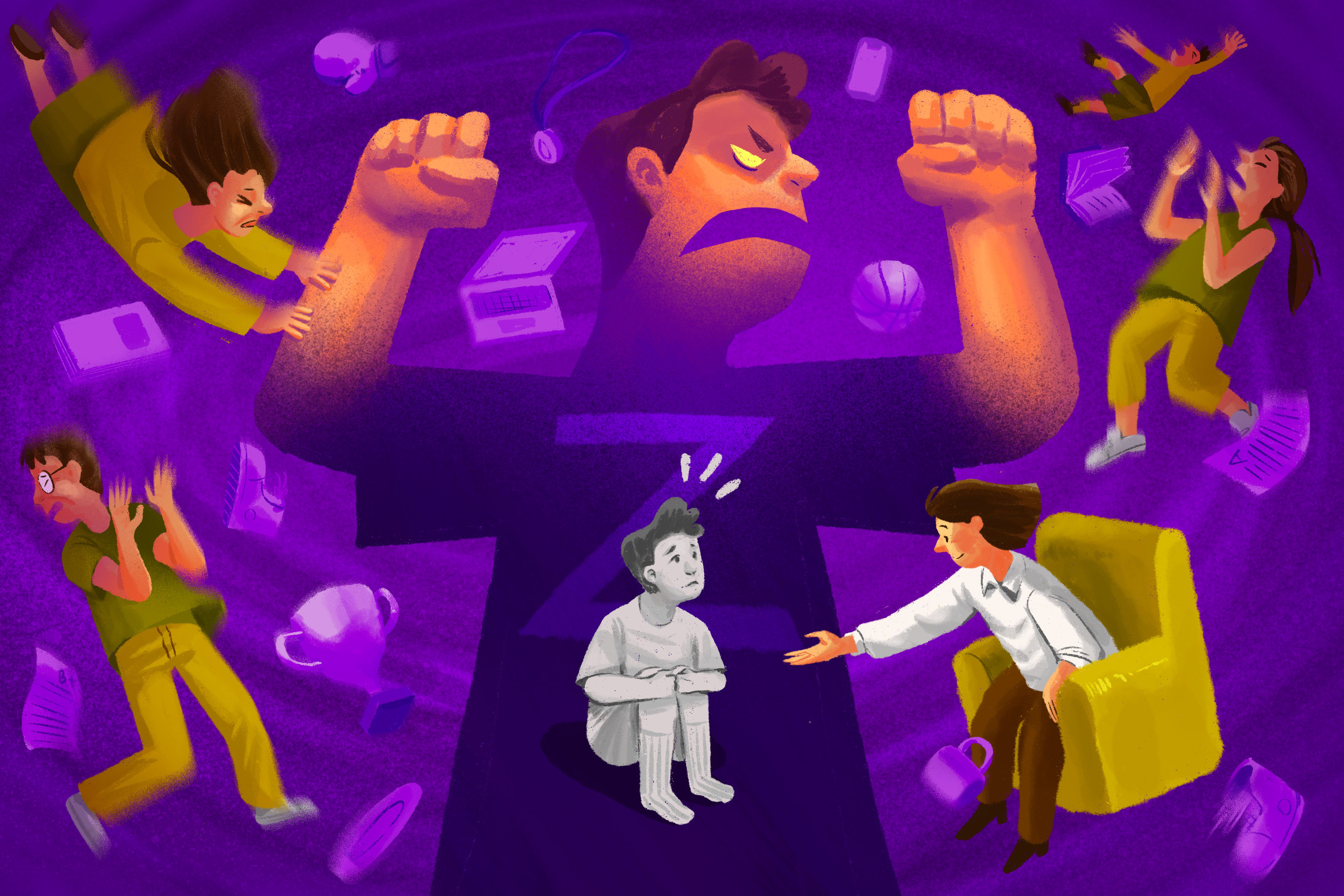
This is the sixth article in a six-part series on Gen Z and mental health, focusing on conditions like anxiety, depression, and eating disorders. We share stories from Gen Zs and expert advice on recovery.
Dr. Ken Fung, a clinical psychologist in Hong Kong, recently met with a family whose child exhibits oppositional defiant disorder (ODD). The mother described her son as “naughty”, “uncooperative”, and someone who “wouldn’t sit still without challenging his teachers”.
As frustration grew, the parent-child relationship became strained. If a child becomes excessively argumentative, vindictive, or displays violent behavior, they may be showing symptoms of ODD.
A common misconception is that children with ODD enjoy challenging authority. In reality, Dr. Fung explains, it’s often a coping mechanism for managing their own energy or inattentiveness, which can be distressing for them.

ODD lies between conduct disorder and intermittent explosive disorder, which involves aggressive outbursts. While Dr. Fung doesn’t see a rise in ODD prevalence among Gen Z, he notes an increase in contributing factors.
Family dynamics play a significant role. Authoritarian parents can be overly rigid, while permissive parents may fail to set healthy boundaries, both fostering ODD development.

Media often emphasize how ODD affects parents, but Dr. Fung stresses the importance of addressing the child’s emotions. In one case, constant comparisons to siblings eroded a young boy’s self-esteem.
ODD is more common in boys, with a diagnosis ratio of 2:1, but Adler warns against overlooking girls, whose symptoms may manifest in quieter ways.

Adler recalls a 16-year-old girl who excelled academically but became defiant due to pressure from school and parents. She stopped performing and struggled with depression and anxiety.
Many parents hope their child will “grow out of” ODD. However, Adler suggests that collaboration among counselors, psychologists, and schools is essential.
Treatment typically lasts a minimum of two months, depending on parental and school involvement. After a psychological assessment, therapy sessions can help children revise erroneous beliefs and improve emotional responses.
In Dr. Fung’s case, the child’s ODD behavior reflected anger over perceived favoritism among siblings. He emphasizes the need for open communication within the family.
Some therapists may also engage siblings to help them understand ODD and reduce feelings of being targeted.

Schools often misinterpret ODD symptoms as mere disobedience. Adler advocates for a school-wide behavior modification plan to reward positive social behaviors.
Early intervention is key. “The sooner the intervention, the better the understanding and potential for recovery,” he concludes.
For more insights, follow SCMP Lifestyle on Facebook, Twitter, and Instagram.
Comments are closed