
The Start of an Unprecedented Journey
As the head of the musical theater department, Amelia Broome described Emerson College as a lovely environment filled with “sassy, entrepreneurial, wonderful people.” However, her 26th year teaching took a sharp turn as she faced the reality of the COVID-19 pandemic. On March 10, 2020, former Governor Charlie Baker declared a state of emergency in Massachusetts as COVID-19 cases surged, leading to a significant transformation in academic life.
A Sudden Closure and Its Consequences
Five years ago, a mere few days after the state of emergency was declared, former Emerson President Lee Pelton announced an abrupt shift to online learning, halting in-person classes. Students, particularly the seniors, expressed their grief over missed milestones like graduation, with Broome recalling emotional scenes of students in hallways, faced with lost opportunities.
The Shift to Online Learning
Transitioning to online classes posed unique challenges for performing arts students. Broome highlighted the difficulty of conducting voice, stage, and technical lessons virtually. She reflected, “By the semester’s end, everyone was completely wiped out by the stress and loss; I don’t think I’ve ever felt so exhausted.”
Institutional and Student Responses
During the summer of 2020, Emerson instituted measures to assist its community amid the pandemic. The financial aid office announced significant funding from the COVID-19 relief package and created the One Emerson Knowledge Center, providing guidance for a safer return to campus. The university prioritized mental health resources, and an international student director noted a proactive approach to supporting diverse student needs.
The Reality for International Students
For international students like Susan Eyring, the fears of returning home amidst rising anti-Asian sentiments added to the stress. Eyring recounted witnessing distressing incidents of racism shortly after her arrival, which contributed to a heightened sense of vulnerability among the Asian community in Boston.
Innovative Ways to Connect
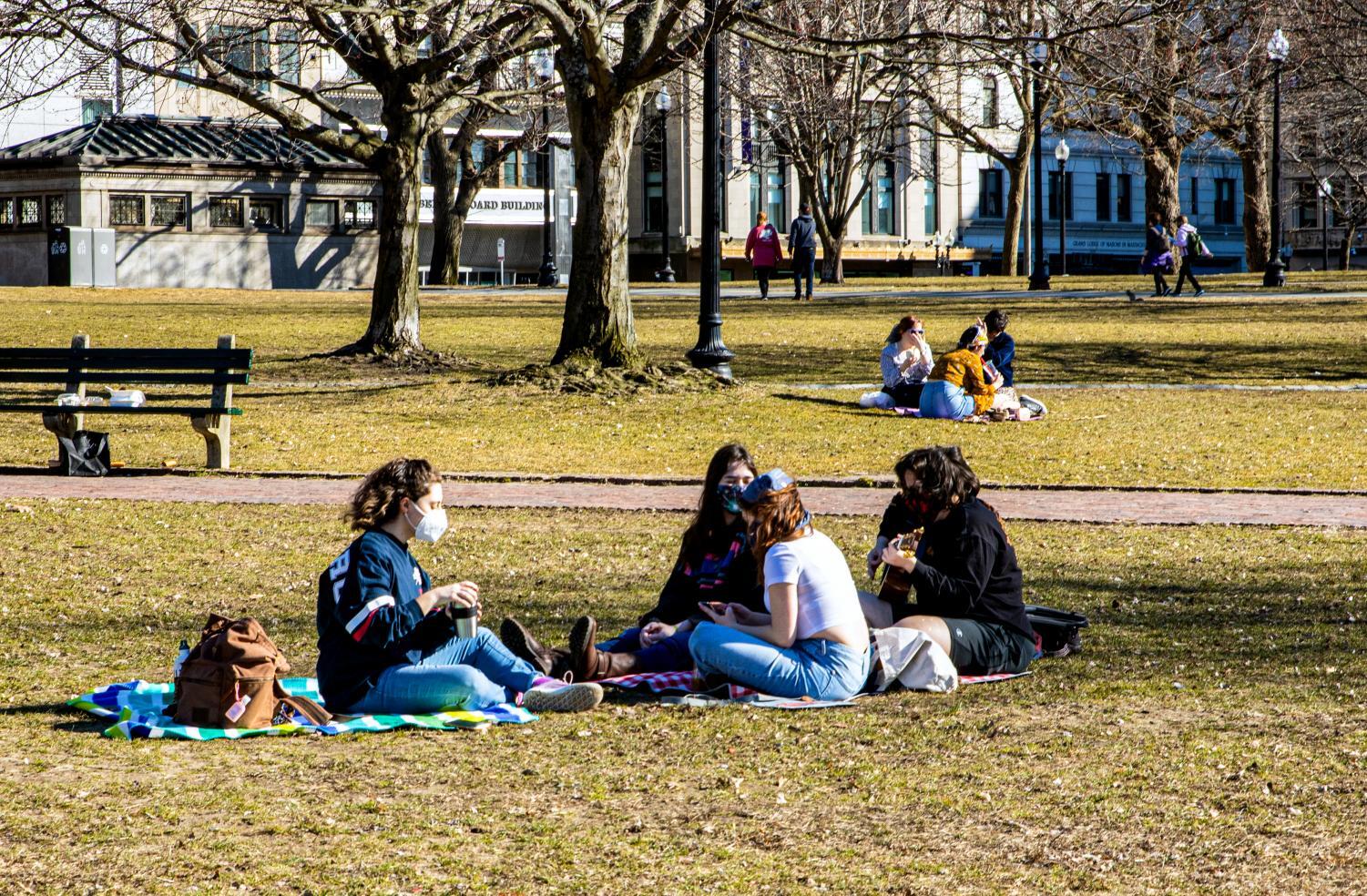
Despite restrictions, students found creative ways to socialize, often congregating in dorm hallways or utilizing online platforms like Discord for gaming and connection. Eyring noted, “We all just wanted to make friends… so we’d do whatever.” Their resilience highlighted the adaptability of the Emerson community.
A Lasting Impact
As the world gradually moved back to normal, some remained reflective of the pandemic’s remnants. Chris Lee, an Asian American studies teacher, explained that personal connections affected their approach to health and safety practices, continuing to wear a mask in public spaces.
Broader Implications for Mental Health
The pandemic also illuminated the mental health challenges many faced, with elevated stress levels contributing to a rise in anxiety and depression worldwide. Emerson’s response included virtual consultations and wellness programming to support students’ mental health during these trying times.
Conclusions and Reflections
Cameron Manning, a recent graduate, reflected on his mixed feelings about the unique experience of studying during a pandemic, recognizing the importance of adaptability amid life’s challenges. Jonathan Satriale, tech director at Emerson, emphasized the lessons learned about resilience and the importance of capturing significant moments.
This experience continues to shape the Emerson community as it navigates the lingering effects of COVID-19 and strives toward a brighter future.
Comments are closed