Understanding the Heat Threat
Heat poses a significant risk to health, particularly in Washington state, where many residents lack air conditioning. With record-breaking temperatures already experienced this summer, it’s crucial to adopt strategies to stay cool.
Expert Advice from Dr. Scott Itano
Dr. Scott Itano, a family medicine physician with Kaiser Permanente in Washington, advises avoiding outdoor activities during peak heat hours, specifically from 10 AM to 4 PM. He emphasizes the importance of hydration, urging individuals to drink more water than usual and use cool water to lower body temperature.
Seeking Air Conditioning
For those without air conditioning, Dr. Itano suggests utilizing public facilities that offer cooling options, such as libraries and shopping centers. Spending just a few hours in a cooled environment can significantly alleviate the discomfort of intense heat waves.
Changing Trends in Air Conditioning
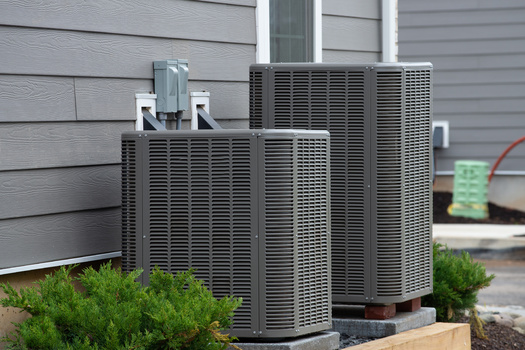
Historically, Northwest homes have had the lowest rates of air conditioning in the country. However, recent heat waves have prompted a shift. In Seattle, for example, over half of homes had air conditioning in 2021, a significant increase from 31% in 2013.
Recognizing Heat-Related Illnesses
Dr. Itano explains that heat-related illnesses range from heat exhaustion, characterized by fatigue and lightheadedness, to more severe conditions like heat stroke. Symptoms of heat stroke can mimic those of a stroke, including passing out or seizures, necessitating immediate medical attention.
At-Risk Populations
Certain groups, including the elderly, young children, and individuals with chronic medical conditions, are more vulnerable to heat-related illnesses. Dr. Itano warns that conditions such as diabetes, asthma, lung disease, and heart disease can be exacerbated by heat, increasing the risk of serious health issues.
For further information, visit Public News Service.
No responses yet