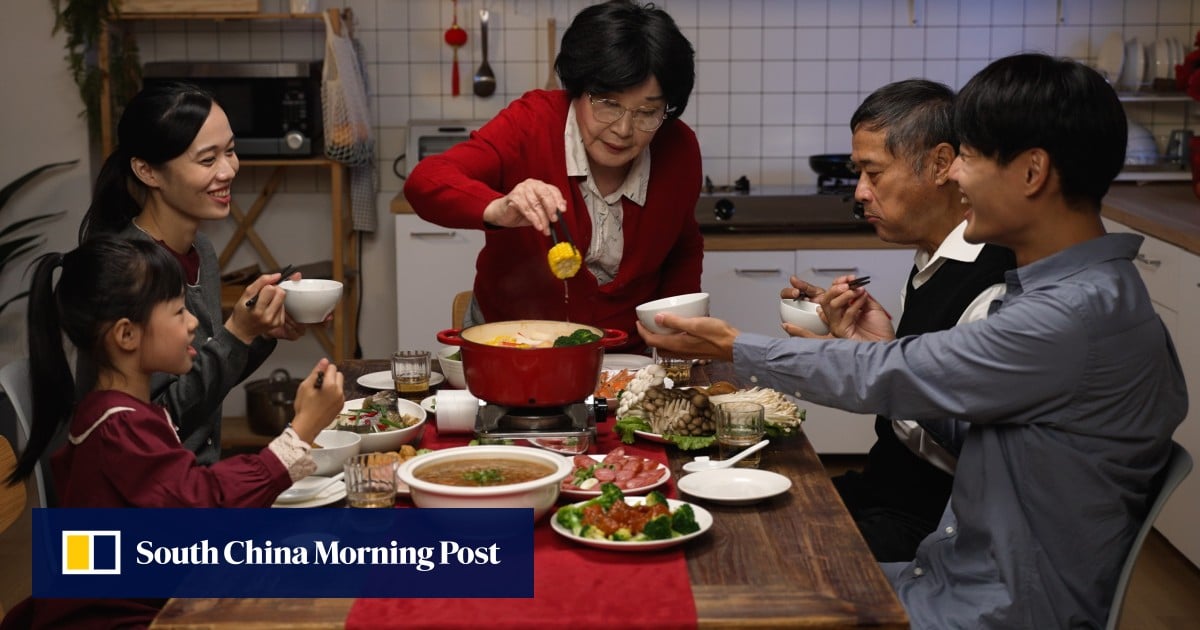
How cooking and connecting fully with food brings emotional, mental and physical benefits
People who have always loved to cook already know the feeling of joy and self-fulfillment that can come from baking banana bread that makes your whole kitchen smell like a bakery, or serving up a comforting casserole that has been simmering on the stove for several hours.
During the pandemic, many realized that cooking can indeed be good for the soul. Official studies have confirmed this. In a study published in 2021 by Ozan Güler and Murat Ismet Haseki in Turkey, nearly half of all respondents stated that cooking brings them happiness, while 23% saw it as a fun activity and nearly a third said it brought them psychological relief.
The Positive Impact of Home Cooking
“Home cooking can have a positive impact on mental wellness as it engages both body and mind. I consider home cooking a holistic activity as it enhances a person’s mental health in many different ways,” says Mariana de Oliveira Dias, executive director of health and wellness at Sands China in Macau.
“It reduces stress; allows creative freedom and self-expression by experimenting with different flavours, ingredients and techniques; provides a sense of accomplishment and pride,” she adds. “Seeing the end result is rewarding and boosts self-esteem; invites mindfulness, as you are fully present and engaged in the cooking process; and encourages you to slow down and savour each step of the process.”
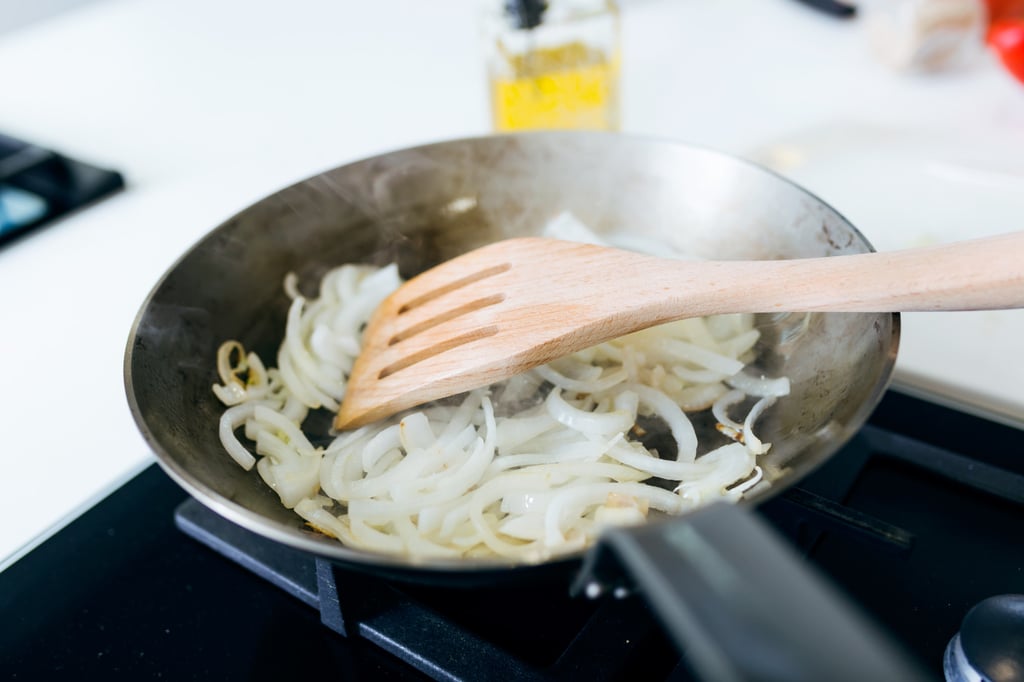
Lou Lou Chang, founder of the Space Within wellness retreat, explains that cooking allows us to give the analytical left side of our brain a rest. “If you know how to cook food consciously, you know how to activate sensual awareness of food by focusing on its colours, textures, smells and tastes, which involves the right side of our brain – its ability is to feel,” says Chang.
“This can free our mind from overthinking – the act of dwelling in the past or the future. There’s a saying that goes, ‘a wandering mind is often an unhappy mind’. Most burnouts and stress are caused by overthinking.”
Mindful Eating Practices
Both Dias and Chang suggest practicing mindful eating, whether for someone familiar with the joys of cooking or a beginner wanting to enhance their mental health. “Open up all your senses and pay attention to your likes and dislikes. This will help you connect to your food and be more conscious of it,” says Chang.
“Mindful eating helps you become more aware of your eating habits, hunger cues, preferences and triggers, which can lead to healthier food choices and a more balanced relationship with food,” adds Dias.
Whether or not it’s done for mental wellness, approaching food and its preparation with a positive mindset will always bring better results. “Cook with love. Approach cooking as a form of nourishment and self-care, and let that intention guide your actions in the kitchen,” concludes Dias.
No responses yet