
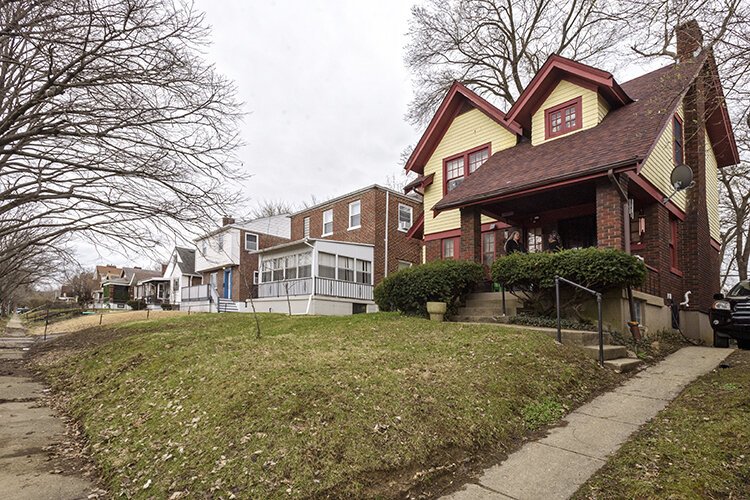
The Stark Reality of Housing Disparity
Across the region, there’s a significant disparity in life expectancy. Residents in Indian Hill and Mason boast an average lifespan of nearly 90 years, whereas those in Arlington Heights and Adams County only live just over 60 years. This discrepancy, nearly 30 years, raises questions about the underlying factors and the critical role of community health experts who are investigating how the environments where we grow up, live, work, and age influence our health and opportunities to thrive.
The Struggles of Housing Affordability
The quest for affordable housing has become increasingly stressful, exacerbated by rising home prices and rents, high mortgage rates, and a general scarcity of economical housing options. For many families, the prospect of homeownership has become a daunting challenge. Local reports, particularly the Housing Our Future study, have highlighted an alarming need for affordable housing—specifically, a gap of 40,000 affordable units in Hamilton County.
The Consequences on Health and Well-Being
Stability in housing is directly linked to health. Excessive financial strain from housing costs leads to stress, affecting physical and mental well-being. This pressure can hinder families’ abilities to access healthcare, resulting in detrimental health consequences.
Real-Life Experiences: Tenicia’s Story
Tenicia Adams is a single mother struggling to find stable housing. ‘I just couldn’t afford it,’ she states, reflecting on her journey through various housing situations. Currently paying $1,900 a month for an apartment that is both expensive and unsuitable for her children, she dreams of owning her own home one day but finds it increasingly difficult to save.
A Disparity in Home Ownership
The gap in home ownership among Black families is particularly concerning, with Black ownership in Hamilton County at only 34%, compared to 74% for white families. Elisabeth Risch, executive director of HOME, notes that rising interest rates and limited availability are barriers for many potential Black homeowners.
Collective Solutions Needed
To address the housing crisis, community leaders and organizations are mobilizing. Initiatives such as ‘Home for All,’ launched in Northern Kentucky, propose strategies to increase housing availability and affordability, recognizing housing as integral to economic vibrancy.
Conclusion
As the community faces these challenges, the commitment to secure stable housing remains imperative. Working towards solutions not only addresses the immediate housing crisis but also fosters a healthier region overall.
Comments are closed