
Experts Raise Concerns Over Home Health Care Funding at Allentown Forum
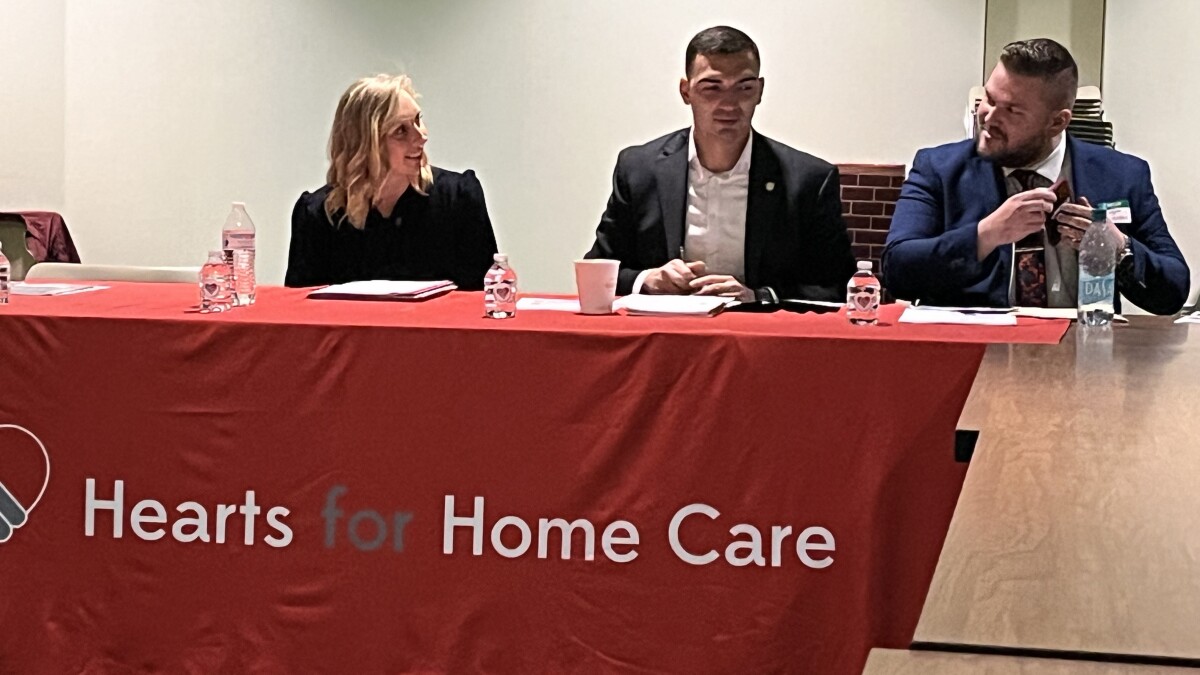
ALLENTOWN, Pa. — The foundational issue of the ongoing home health care crisis centers around insufficient government reimbursement funding, officials emphasized during a community roundtable held at the Allentown Public Library on Thursday.
Panellist Dave Totaro, president of BAYADA Hearts for Home Care, highlighted the moral implications of the current situation. He stated, ‘It’s important to make sure people who need home health care get the care they deserve. But without adequate reimbursement, we can’t fully staff those people. Some of them then might not be able to be cared for at home, where they want to be. So yes, when the government doesn’t increase funding, I wonder about their souls.’
‘Unless something is done quickly, we’re going to see more providers exit the industry.’
— Dave Totaro, president and executive director of BAYADA Hearts for Home Care
The roundtable discussion aimed to spotlight the pressing challenges within the industry, both locally in Pennsylvania and across the nation, including severe workforce shortages and significant funding gaps.
Totaro pointed out, ‘Everything is going up — rent, taxes — everything but reimbursement rates. We have to turn down two out of every three home care requests because we can’t staff them, and we can’t pay our caregivers a sustainable wage due to low reimbursement from the state and federal government.’
Ness also stressed that funding cuts have placed Pennsylvania at a critical juncture regarding home health care affordability. Laura Ness, deputy executive director of Hearts for Home Care and president of the Pennsylvania Home Care Association, remarked, ‘The turnover we have is that for every 10 home care workers we hire per year, eight are leaving because of money.’
Reimbursement funding for home care workers, provided through the Medicaid program, allows low-income adults who qualify for nursing home care to live in their own homes. The current hourly caregiver reimbursement rate is $21.57, and $50 per hour for nursing care. Many reimbursement rates have remained stagnant for over 15 years.
State Senator Nick Miller, representing the 14th District, stated the importance of increased funding, acknowledging, ‘This is a vital service for people to stay in the comfort of their own home. One in four people in Pennsylvania are over the age of 60, and by 2030, it will be one in three.’
A recent recommendation suggested a 23% increase in personal assistance reimbursement rates, yet Ness noted that this is merely a recommendation without assurances from the governor’s budget for additional funds.
Hines, a nursing veteran and panelist, expressed her commitment to improving care for vulnerable populations, saying, ‘My purpose for being here today is, that one day when I’m not here, I want to make sure they have quality care.’
The discussions at the forum revealed a shared hope among attendees that lawmakers would find the necessary resources and compassion in addressing these crucial funding issues impacting home health care across Pennsylvania.
Comments are closed