
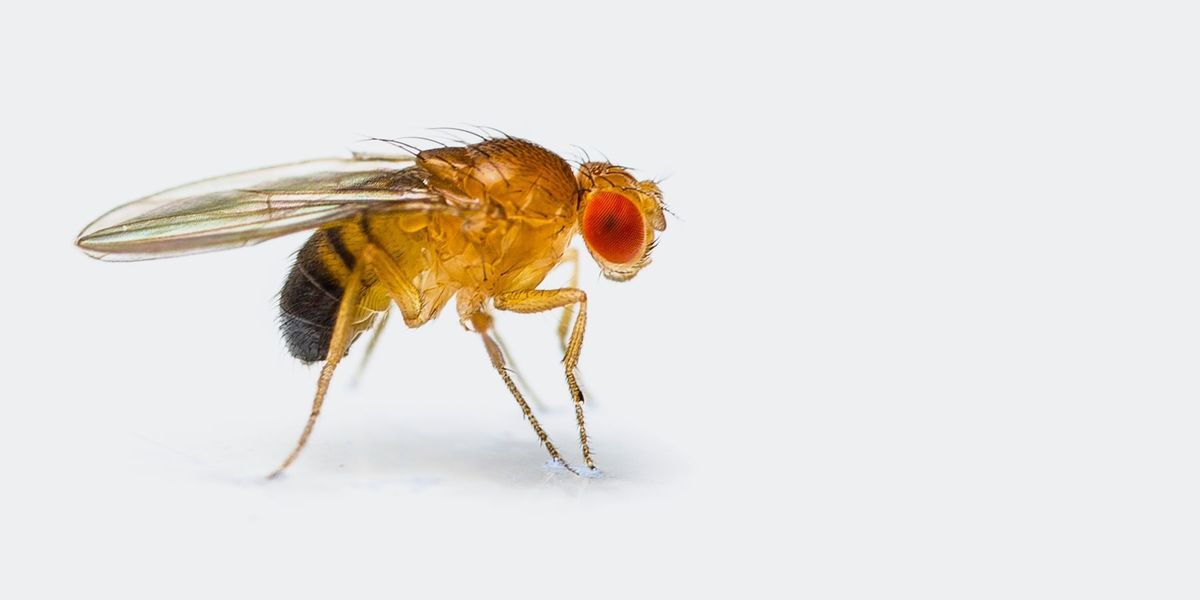
Research from Penn State highlights a concerning trend: flies, often overlooked as pollinators, are facing serious threats from climate change. Flies, which are second only to bees in their ability to pollinate crops, are more susceptible to rising global temperatures than bees, according to findings published in the Journal of Melittology.
Study lead Margarita López-Uribe states, ‘Bees and flies are essential for pollinating plants, both in the wild and in agriculture.’ She emphasized that both insect groups are experiencing declines due to habitat loss, pesticides, and climate change. While bees can tolerate higher temperatures, flies demonstrate significantly lower heat tolerance.
The Study’s Findings
The research team focused on the “critical thermal maximum” (CTMax) of various pollinator species, which indicates the highest temperatures they can endure before losing mobility. Results showed that bees can handle temperatures 2.3 degrees Celsius higher than flies.
López-Uribe noted that insects from cooler, high-elevation environments are particularly vulnerable, stating, ‘In alpine and subarctic environments, flies are the primary pollinator. This study shows us that we have entire regions that could lose their primary pollinator as the climate warms.’
Flies in Agriculture
Flies contribute significantly to agriculture, particularly in the pollination of cocoa trees used to produce chocolate. A 2020 analysis estimated that crops benefiting from pollination hold a gross economic value exceeding $800 billion, with flies consistently ranking just behind bees as top pollinators.
López-Uribe concluded, ‘It’s time we gave flies some more recognition for their role as pollinators. They have a significant role but don’t receive as much attention as they should.’ The findings emphasize the need to protect these crucial insects amidst the rising threats from climate change.
Comments are closed