
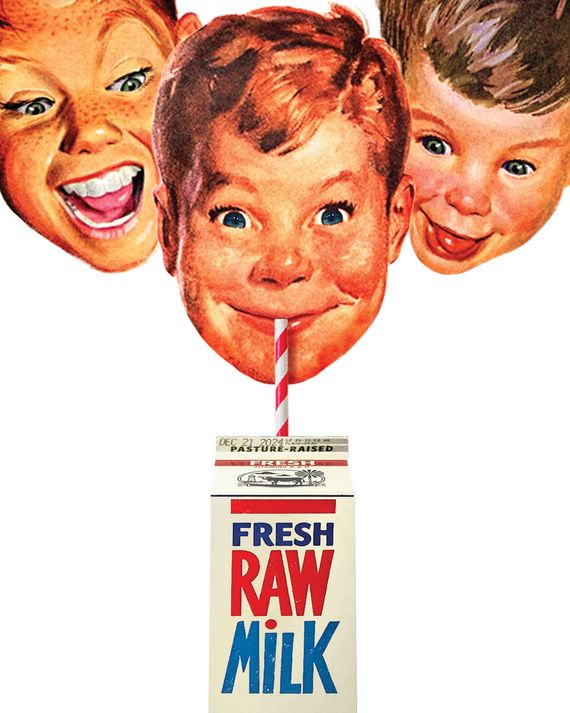
Understanding the MAHA Movement
The MAHA movement, which stands for “Make America Healthy Again,” has emerged as a unique intersection of health consciousness and political activism. Spearheaded by public figures like Robert F. Kennedy Jr., the movement seeks to address America’s pressing health issues through a lens that combines wellness culture with an anti-establishment narrative.
A Journey Through History
The roots of the MAHA movement can be traced back to various social currents, including natural food movements and anti-vaccine sentiments. In a climate where public health guidelines have often faced scrutiny, the movement has provided a platform for individuals disillusioned with traditional healthcare to explore alternative solutions.
RFK Jr. and the Wellness Culture
Robert F. Kennedy Jr. has played a pivotal role in shaping the MAHA narrative. His emphasis on organic food, public health reform, and anti-vaccine advocacy resonates with a segment of the population frustrated by the conventional health industry. By positioning himself at the forefront of this movement, Kennedy has garnered both support and criticism.
Community Perspectives
The movement’s impact goes beyond individual advocacy, as it has begun to influence policy discussions and community health initiatives. Public forums and discussions centered around MAHA principles have brought together diverse groups, aiming to create a unified front against perceived health injustices.
Future Directions
As the MAHA movement continues to gain traction, its leaders face the challenge of converting grassroots enthusiasm into tangible policy changes. Engaging more communities and addressing concerns related to health equity will be crucial for the movement’s long-term success.
Conclusion
In a landscape where health and wellness intersect with political ideology, the MAHA movement represents a growing trend that has the potential to reshape America’s approach to health. With figures like RFK Jr. at the helm, it remains to be seen how far this movement will go in influencing public policy and societal norms.
Comments are closed