
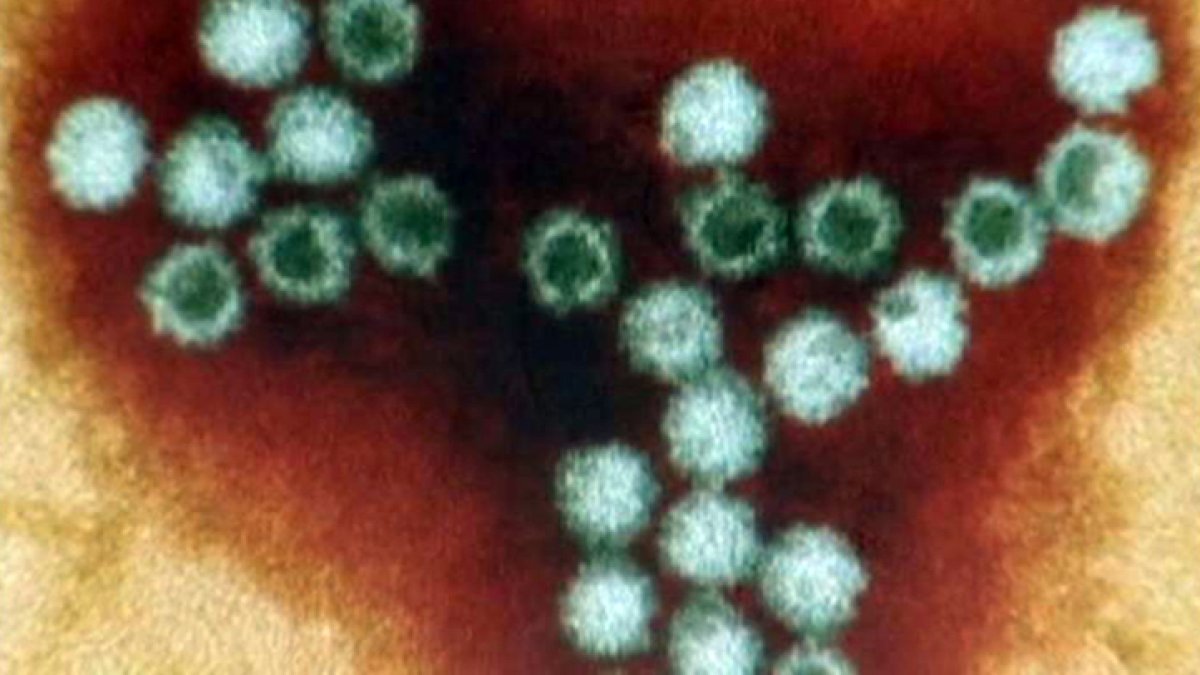
With cases of norovirus surging in various parts of the United States this winter, experts are sharing crucial information on how best to protect oneself against this persistent virus. According to the Centers for Disease Control and Prevention (CDC), this winter’s spike in cases has many individuals looking for effective ways to prevent infection.
Although many rely on hand sanitizers, health professionals warn that these products are not very effective against norovirus. Dr. Mark Loafman, an expert in Family and Community Medicine at Cook County Health, stated, ‘The norovirus doesn’t get killed with hand sanitizer. So those alcohol products don’t work.’ Instead, he recommends rigorous handwashing as the primary defense against this illness.
Dr. Loafman emphasized the importance of thorough handwashing, particularly after using the bathroom. He articulated, ‘It’s really, really important to scrub your hands with soap and warm water for at least 20 seconds before you leave the bathroom.’
Norovirus is highly contagious and can be transmitted even before symptoms appear. According to the CDC, the virus can be found in both vomit and feces, and remain in the body for up to two weeks after recovery, making it crucial to practice good hygiene even post-illness.
What Is Norovirus?
Commonly referred to as ‘the stomach bug’ or ‘food poisoning,’ norovirus causes sudden vomiting and diarrhea. It is responsible for approximately 58% of all foodborne illnesses in the United States annually, leading to an estimated 19 to 21 million infections each year.
Norovirus spreads easily through contaminated food, water, and surfaces, and is particularly concerning in crowded environments such as cruise ships and nursing homes. During the week of December 5, the CDC reported 91 outbreaks of norovirus, reflecting a notable increase from previous weeks.
Common Symptoms
Symptoms of norovirus include nausea, abdominal pain, body aches, headaches, and fever, alongside the hallmark symptoms of vomiting and diarrhea. One serious side effect to watch for is dehydration, which can occur if fluids are not replenished. Dehydration symptoms include dry mouth, dizziness, and decreased urination, and can be particularly dangerous for the elderly and young children.
Preventative Measures
The CDC suggests practical steps to guard against norovirus infection during peak season:
- **Wash hands thoroughly** with soap and warm water for at least 20 seconds before meals and after using the bathroom.
- **Use disinfectants** on surfaces frequently, especially those that may be contaminated with vomit or feces.
- **Wash laundry** that may have come in contact with the virus promptly and using hot water.
- **Avoid raw or undercooked shellfish**, as the virus can survive high temperatures.
In conclusion, while norovirus can be challenging to control, simple practices such as effective handwashing and careful food handling can significantly reduce the risk of transmission. Being aware of symptoms and possible prevention methods is essential in protecting oneself and others in the community.
Comments are closed