
A New Health Crisis: Measles Resurfaces in the U.S.
After years of no reported deaths from measles, the United States is facing a significant health crisis. This year alone, three people have tragically lost their lives, prompting urgent conversations about vaccination outreach and the state of primary care across the country.
The Outbreak Details
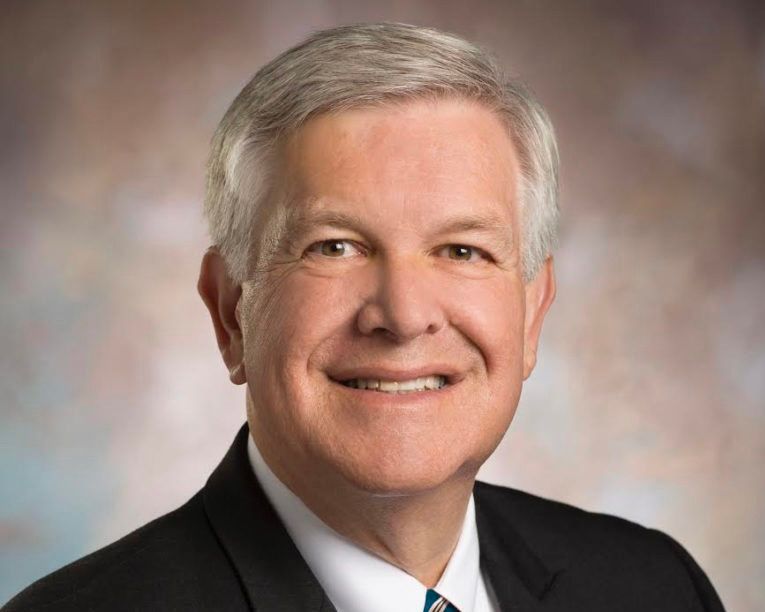
According to Dr. Marschall Runge, CEO of Michigan Medicine, the current measles outbreak serves as a wake-up call regarding the struggles tied to declining vaccination rates. Runge noted that three fatalities have been connected to the outbreak, marking a concerning turn after a decade without reported measles deaths. ‘It’s frustrating because we know that it’s preventable,’ he emphasized, referencing the critical need for high vaccination levels to halt spread.
The State of Vaccination
The Centers for Disease Control and Prevention (CDC) has recorded over 600 reported cases, with nearly 500 occurring in Texas alone. Health officials have identified that the tragic fatalities included unvaccinated individuals, highlighting the risks faced by those who lack vaccination. ‘Ninety-five percent of the population has to be vaccinated because this is such a highly contagious disease,’ asserted Runge.
Alongside the concerning rates of measles, the decline in overall vaccinations, not limited to measles alone, raises alarms about public health. Runge pointed out that many individuals continue to harbor misconceptions about vaccines, with some believing false links to conditions such as autism. Misinformation prevalent on social media remains a significant hurdle, as Runge explained, ‘There is so much good, and so much bad information that’s available through the internet.’
Rethinking Outreach
The need for enhanced outreach and renewed public trust in vaccines is crucial. Runge stressed the importance of having trustworthy conversations between health providers and communities. He stated, ‘If you have a question about vaccination, please talk to your health care provider and have a real conversation about it.’ This underscores the need to reach those hesitant to vaccinate, especially among under-served populations.
Addressing Primary Care Deficiencies
The measles outbreak also sheds light on broader concerns around primary care in America. According to a recent scorecard, over 30% of U.S. adults lack a usual source of primary care, the highest level in a decade. Runge highlights, ‘Although I think the care for critically ill adults and children is the best in the world, in the United States, we don’t perform as well in terms of primary care.’ He advocates for a greater emphasis on preventive health measures and a call for increasing the number of primary care physicians into the workforce.
Conclusion
As America grapples with rising measles cases, it is imperative to act on improving vaccine outreach and accessibility to primary care. Engaging communities, dispelling misinformation, and fostering trust in health systems are vital steps for moving forward and safeguarding public health.
Comments are closed