Debate on Tobago Autonomy Bills Intensifies at THA Assembly
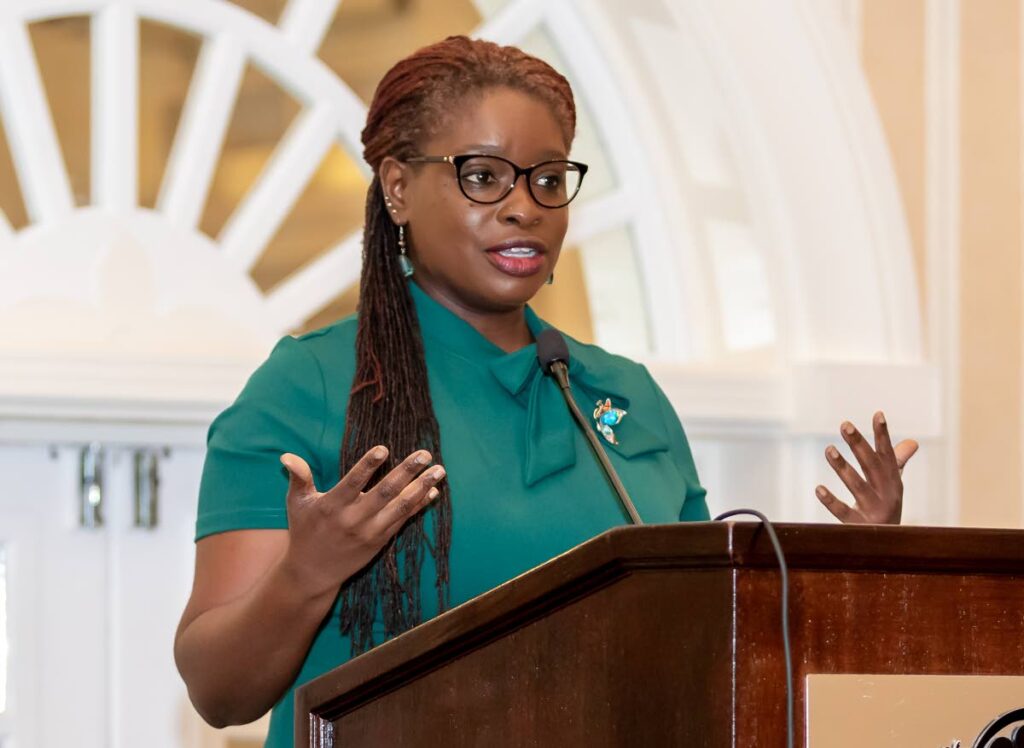
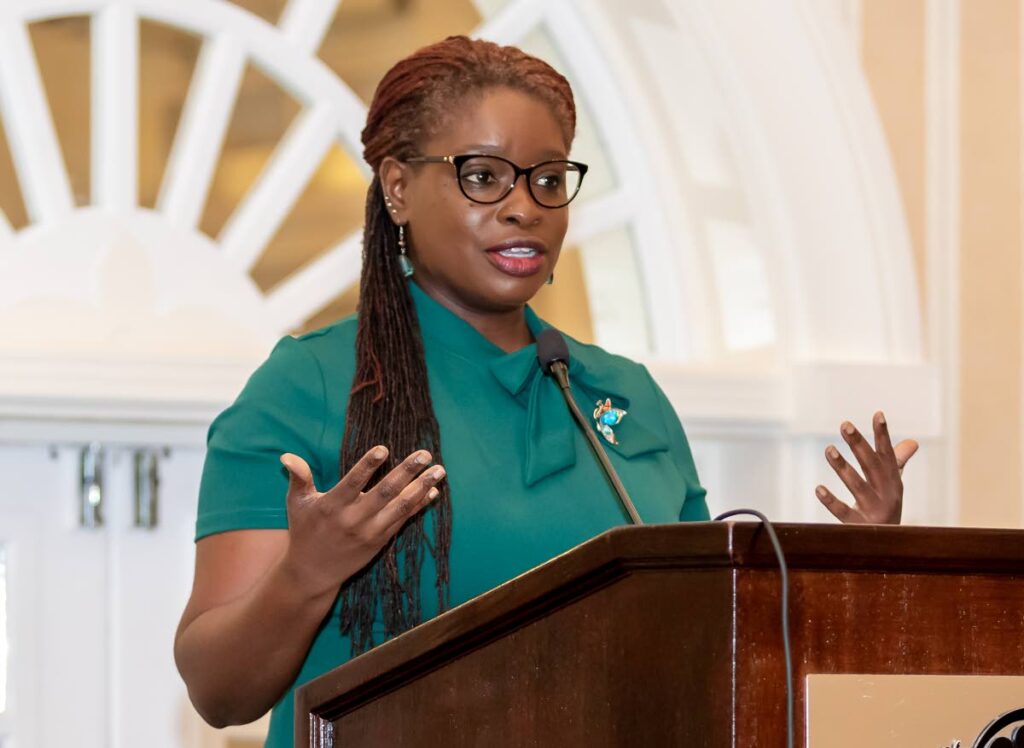
The ongoing debate over the proposed autonomy bills for Tobago has taken center stage at the Tobago House of Assembly (THA). Deputy Chief Secretary and Secretary of Health, Wellness and Social Protection, Dr Faith BYisrael, has publicly stated that the THA Executive Council cannot fully support the Tobago autonomy bills, a position she articulated in response to a motion presented by Minority Leader Kelvon Morris.
During discussions held on October 24, Morris outlined the significance of the Tobago Self-Government Bill 2020 and the Tobago Island Administration Bill 2021, asserting that these bills would empower the island with greater control over its governance. He expressed, ‘This bill aims to grant Tobago self-government by establishing two key bodies: the House of Assembly for legislative purposes and the Tobago Executive Council for administrative responsibilities.’ He elaborated that the constitutional amendment requires a special majority to pass, necessitating the approval of at least three-quarters of the House of Representatives and two-thirds of the Senate.
However, Dr BYisrael expressed concerns regarding the potential exclusion of critical issues that Tobagonians deem non-negotiable in these bills. She questioned the timing of parliamentary discussions, suggesting that it could follow a historical pattern of using autonomy issues as election tactics. Dr BYisrael emphasized, ‘The bills overlook key issues that residents want addressed,’ referring specifically to the 11 non-negotiable items settled at a 2014 forum which include a framework that ensures equality between Trinidad and Tobago, and a federal-type governance system.
The anticipated bills propose an increase in the Tobago House of Assembly’s budget allocation from a minimum of 4.03 percent to 6.8 percent of the national budget, complemented by the establishment of a fiscal review committee. Despite this, Dr BYisrael expressed skepticism about the committee’s composition and its implications for the THA’s financial autonomy. She urged, ‘Tobagonians must not be enticed by the promise of a little more,’ advocating for a model that provides the residents with comprehensive control over their governance structure.
In her concluding remarks, Dr BYisrael suggested that rather than being bound by the current legislative proposals, Tobagonians should have the opportunity to determine the governance structure that best suits their needs—a move she believes could yield more effective self-governance for the island.
Comments are closed