
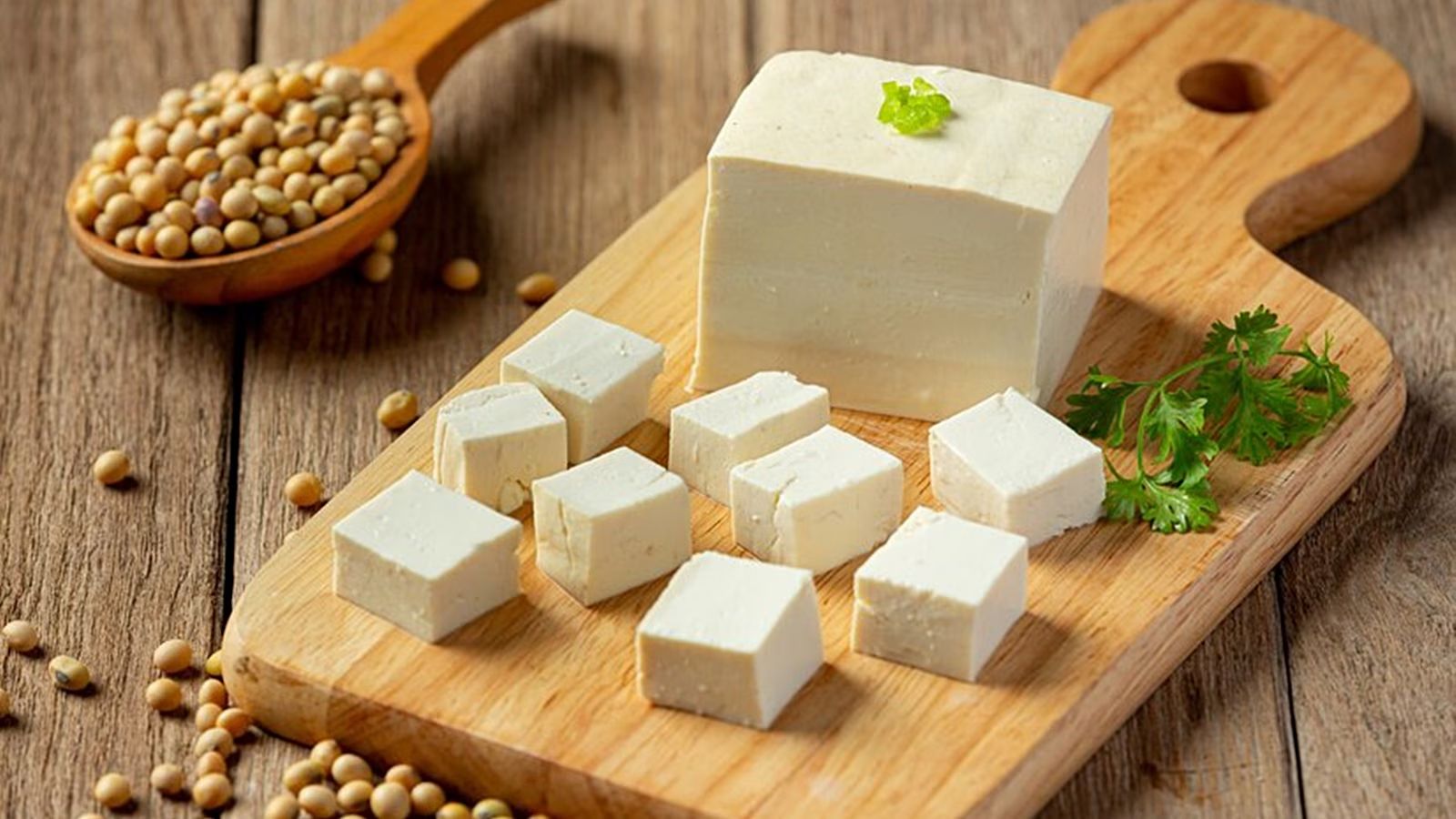
Recently, young influencer Sarthak Sachdeva stirred public interest by claiming he found ‘fake paneer’ at Gauri Khan’s restaurant, Torii, in Mumbai. The claim brought a spotlight on the widespread use of additives in paneer served in various eateries and the potential effects on consumer health.
In response to the claims, Torii issued a statement clarifying that their paneer contains soy, explaining its altered color during the iodine test. However, dietary expert Ritika Samaddar from Max Healthcare pointed out that many restaurants utilize starch, maida, and synthetic ingredients to increase paneer’s volume and texture, potentially triggering digestive problems.
How Do Additives Affect Nutritional Value?
Fresh paneer made from whole milk is rich in proteins, healthy fats, and essential vitamins. However, when additives are included, the nutritional profile shifts, leading to higher carbohydrate levels and reduced protein content. Excessive use of additives can result in ‘analogue paneer’, significantly diminishing the product’s nutritional benefits.
The Health Implications of Starchy Paneer
Short-term consumption of starchy paneer can lead to digestive issues like bloating and constipation, along with the potential for weight gain due to excessive calorie intake. Furthermore, harmful additives may disrupt hormonal balances, and unhealthy fats can lead to serious health issues such as elevated cholesterol levels and an increased risk of heart disease.
Finding Authentic Paneer
To differentiate between pure and fake paneer, consumers are advised to check the labels for authenticity. Pure paneer should only list milk and a coagulant like citric acid. Avoiding pre-packaged paneer with additives and opting for home-made versions from trusted sources may be wiser. Additionally, incorporating more plant-based proteins and fibrous vegetables into the diet can benefit overall health.
Comments are closed