
In a state where health ratings are consistently low, Louisiana’s rural communities face unprecedented challenges in accessing healthcare, particularly for heart disease, which can have fatal consequences. However, the HeartSense nonprofit, dedicated to improving health access, is spearheading efforts to bridge this gap.
Founded by Dr. Antoine Keller and a team of professionals, HeartSense aims to provide healthcare resources to underserved areas. During a period of two and a half years, the organization has served nearly 6,000 patients, mostly seniors. Alarmingly, 20% of these patients had undiagnosed heart disease, often culminating in emergency room visits.
Dr. Keller stated, ‘Many of these people actually go undiagnosed for a long time until they end up having heart failure and presenting in the emergency department.’
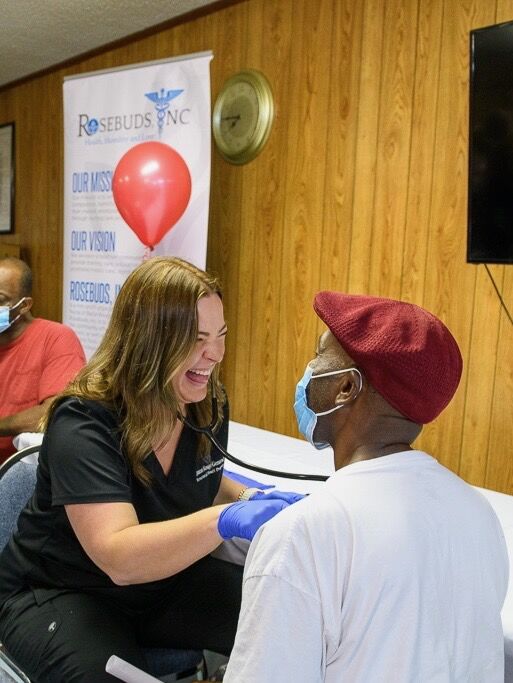
To combat this issue, HeartSense incorporates cutting-edge technology that melds artificial intelligence (AI) with diagnostic tools. One striking innovation utilizes a digital stethoscope that captures the sound of blood flow through the heart. This sound data is then analyzed by AI algorithms, which compare the results against a vast database to pinpoint irregularities indicative of heart conditions.
As of April 2, 2024, this FDA-approved technology promises to change healthcare delivery in rural areas, enabling community workers to detect health issues earlier and refer patients to specialists as needed.
Eliminating Access Barriers
Challenges such as transportation difficulties and cultural reluctance to seek care create significant barriers. Dr. Keller emphasized, ‘They feed off of each other,’ suggesting that addressing these issues holistically is crucial.
To improve comfort levels, the technology offers patients a familiar and accessible environment, such as community centers or local churches for screenings. This community involvement helps reduce the stigma and fear associated with seeking medical help.
Denae Hebert, executive director of the Louisiana Rural Health Association, remarked on the importance of integrating human interaction with technological advancement: ‘AI can be useful as a diagnostic tool, but we would want to be careful about putting too much reliance on technology and losing the human touch of medicine.’
Telehealth services have also surged in popularity, especially during the COVID-19 pandemic. Associations like the Louisiana Rural Health Association are advocating for permanent telehealth services to streamline patient access.
Hebert remarked, ‘We’re really advocating for permanence in those allowances, so that providers can really invest in the staff and the technology to provide those services long term.’
Despite these advancements, logistical challenges such as unreliable internet connection in rural areas continue to impede progress.
Hebert concluded that while technology cannot completely resolve disparities in health access, it serves as a valuable component in the fight against systemic issues.
Comments are closed