
Introduction
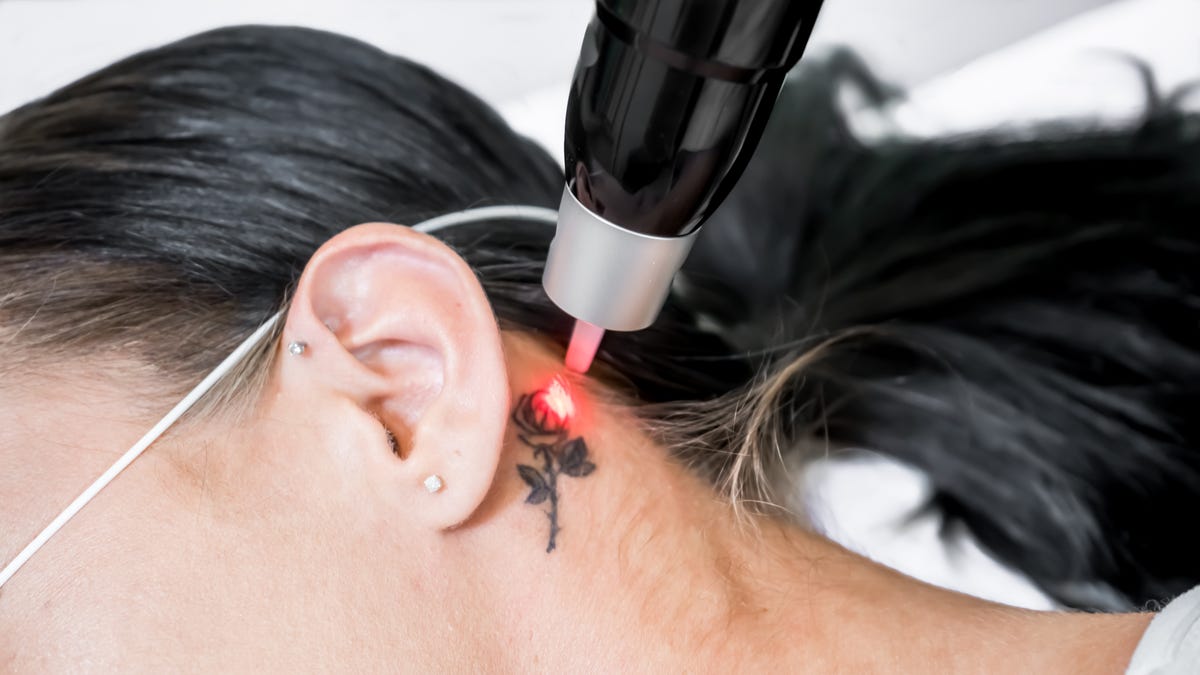
TikTok influencer and model Sara Beth Clark spent tens of thousands of dollars on tattoos in her twenties, despite being told that she would “regret them later.” Now in her mid-thirties, she’s in the process of getting a large, full-color tattoo removed from her upper arm. She has another tattoo on her chest that’s been the “most limiting” in her modeling career, but the removal process on that part of her body would be “incredibly painful and time-consuming,” she says.
What is ‘tattoo regret’?
Brooklyn-based tattoo artist Gabs Miceli would categorize tattoo regret into “immediate regret” and regret that comes later on, like “when you start to hit certain milestones in your life.”
“I’ve seen some people who have loved their tattoos consistently the whole time they’ve had them,” she says. “And then I’ve seen other people falter in their attraction to them soon after getting them.”
Shifting trends may be increasing tattoo regret
Miceli says people may be acting “more on impulse” and basing their tattoos on “what people think is attractive at the time.”
For example, patchwork tattoos can rush the tattoo process, as some clients will get multiple tattoos in one session to fill a section of the body.
“I think a lot of people don’t necessarily regret getting tattoos altogether, but regret the decision to stick to one similar style in such a high volume in such a short amount of time,” she says.
Perceived stigma can shape tattoo regret
For Clark, her regret doesn’t stem from the design or appearance of her tattoos, but how she feels she is perceived because of them. While working in nightlife, she “never thought about a future” where her tattoos would matter in a work setting. But once she changed careers, she realized that her tattoos make it so she “can’t blend in places.”
“There’s rooms that if I walk into them, it becomes very obvious that I stand out in a way that I would prefer that I didn’t,” she says, adding that none of her friends are as tattooed as she is.
How to cope with tattoo regret
Miceli says it is most important to “be gentle with yourself,” because tattoo regret is more common than you think. “As humans, we are constantly changing and what we like is constantly changing,” she says. “That’s who you were at the time and you should honor that person.”
She tells her clients to get a tattoo “when you feel like you want it” because it reflects who you are in the present moment. However, she offers the reassurance that there are “avenues to help you feel comfortable in your skin again,” such as laser removal and cover-ups.
Walla says that going to the right artist and being in a “clear headspace (during) the decision-making process” can help prevent future regret.
And for Clark, practicing acceptance is crucial. “For me, regret isn’t like an ever-present or overbearing feeling. I barely register my tattoos on a daily basis because they’ve been a part of me for so long,” Clark says. “It only hits me occasionally, if I’m going to a certain event or wearing a certain outfit.”
“I let the regret feeling guide my future decisions, but it does not overwhelm me,” she adds. “I accept that my tattoos are a part of me.”
Read more about this topic on USA Today.
No responses yet