
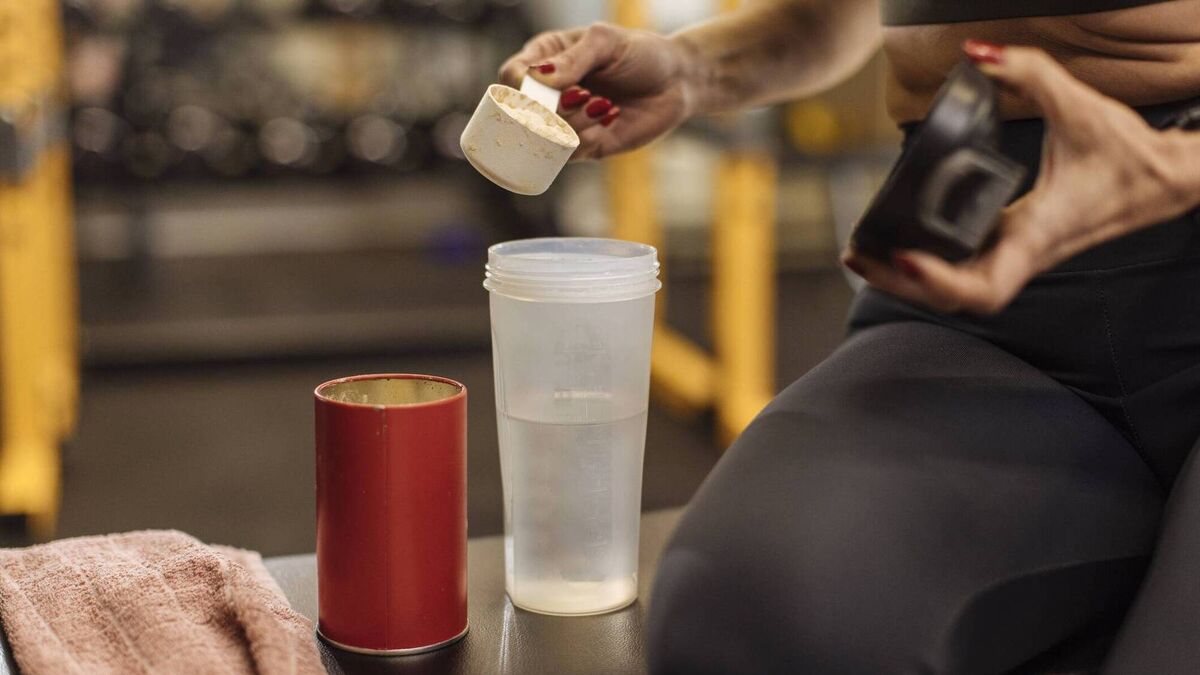
The Rise of Women in the Sports Nutrition Market
A blossoming wellness boom and the increased uptake of slimming injections are opening a brand new opportunity for protein shake makers: more female customers.
Women are becoming an increasingly vital segment for sports nutrition companies. Demand is on the rise from users of GLP-1 medications and a growing demographic of shoppers who prioritize strength and wellbeing over mere thinness.
According to Colin Westcott-Pitt, chief brand officer at Glanbia’s Performance Nutrition business, female customers had traditionally focused on weight loss. He noted that this is changing as their interests shift to strength, performance, and cognitive wellness.
Glanbia recently announced plans to discontinue its meal replacement brand, SlimFast, after facing years of sluggish sales. This underscores the growing trend of focusing on fitness and health products rather than just weight-loss solutions, which can be more efficiently achieved through GLP-1s.
“There are different alternatives now for how to go on that journey,” said Mr. Westcott-Pitt.
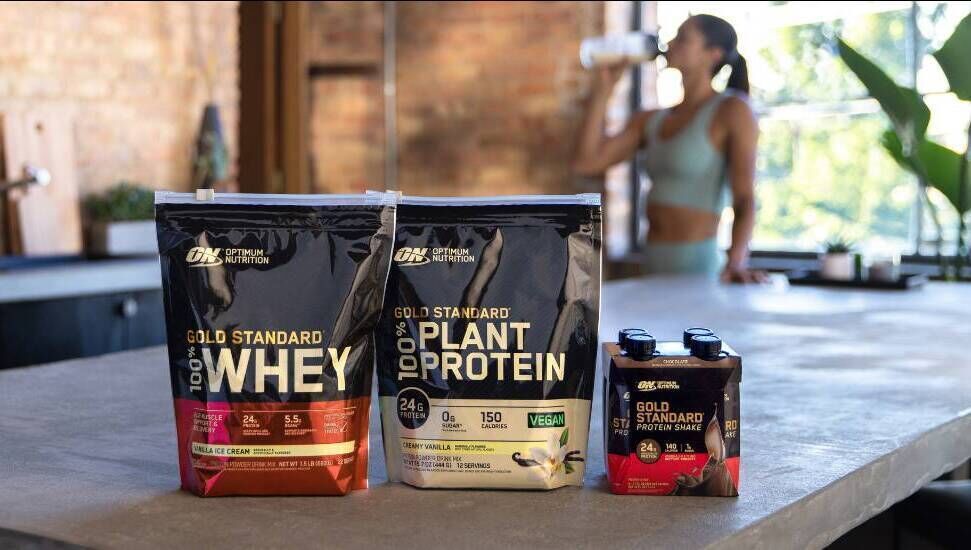
Applied Nutrition, recently one of Britain’s fastest-growing IPOs, has shifted from an 80-20 male-to-female customer ratio to 60-40, thanks to an expanded product range and a collaboration with media personality Coleen Rooney on a line of health supplements.
Glanbia PLC, a larger player in the field, has also experienced a similar trend in its lifestyle and sports nutrition markets, which Bloomberg Intelligence estimates are valued at $100bn (€89.4bn).
“It’s only when we started really tapping into that consumer base that we realized how big it is,” stated Tom Ryder, CEO of Applied Nutrition, in a recent interview.
In its first results since listing, Applied Nutrition reported a first-half revenue of £47.6m (€54.7m)—easily surpassing the £46m guidance given at its IPO.
Ryder shared optimism about the growth of female customers, stating that women are quickly transitioning from wanting to be slim to seeking health, fitness, and strength, representing a much larger demographic.
Adapting to New Trends
The recent surge in weight management options offered by companies such as Novo Nordisk and Eli Lilly has also affected traditional meal replacements, creating new opportunities for companies like Glanbia.
Many users of weight-loss injections are losing muscle mass along with weight and are often experiencing nutritional deficiencies, increasing the need for protein.
“By definition, their products are pretty much all pure protein,” noted Patrick Higgins, an analyst at Goodbody Stockbrokers. He pointed out that Glanbia is already in a strong position to cater to the growing GLP-1 market.
Applied Nutrition has introduced a product known as Complete Protein, specifically designed with GLP-1 users in mind, according to Ryder.
Higgins emphasized that consumer demand is shifting towards functional benefits in food, such as higher protein and vitamins, coupled with a backlash against processed foods. This is expanding the demographic of traditional sports nutrition users.
Changing Preferences
The evolution in consumer preferences can be attributed to rising awareness of female health, highlighted by Jessica Jackson, head of product portfolio at THG PLC’s MyProtein.
She compared female sports nutrition to men’s skincare, noting that simple formulations are evolving as demographics change. Increased media coverage of women’s sports is also driving this demand.
For example, the WNBA recently reported one of its best years in terms of viewership ratings, making female athleticism more mainstream.
To meet this growing demand, brands like Glanbia, THG, and Applied Nutrition are innovating by developing smaller pack sizes, online protein calculators, and AI-powered personalized recommendations.
Challenges Ahead
Despite the increasing interest in sports nutrition, the sector faces challenges, most notably the rising cost of whey—the main ingredient in protein powders.

Hugh McGuire, Glanbia’s CEO, acknowledged during a recent earnings call that high-end whey prices have surged to levels previously unanticipated, representing a cost impact of nearly $200m (€178.9m) in 2025.
“Rampant input cost inflation, particularly in milk, has required passing these costs on to consumers, skewing growth towards pricing despite having a volume-based growth model,” wrote Duncan Fox, an analyst at BI, regarding Glanbia.
However, Mr. McGuire believes that whey prices may start to moderate by 2026 as supply improves. While there may be short-term challenges, a clearer growth path appears to lie ahead.
“Longer term, I don’t see why this protein mega trend wouldn’t continue,” said Higgins, affirming that he expects protein demand to mirror the trajectory seen in the U.S. as it spreads across Europe and beyond in the coming years.
- Bloomberg
Comments are closed