
The Impact of Wellness Culture on Spending Habits
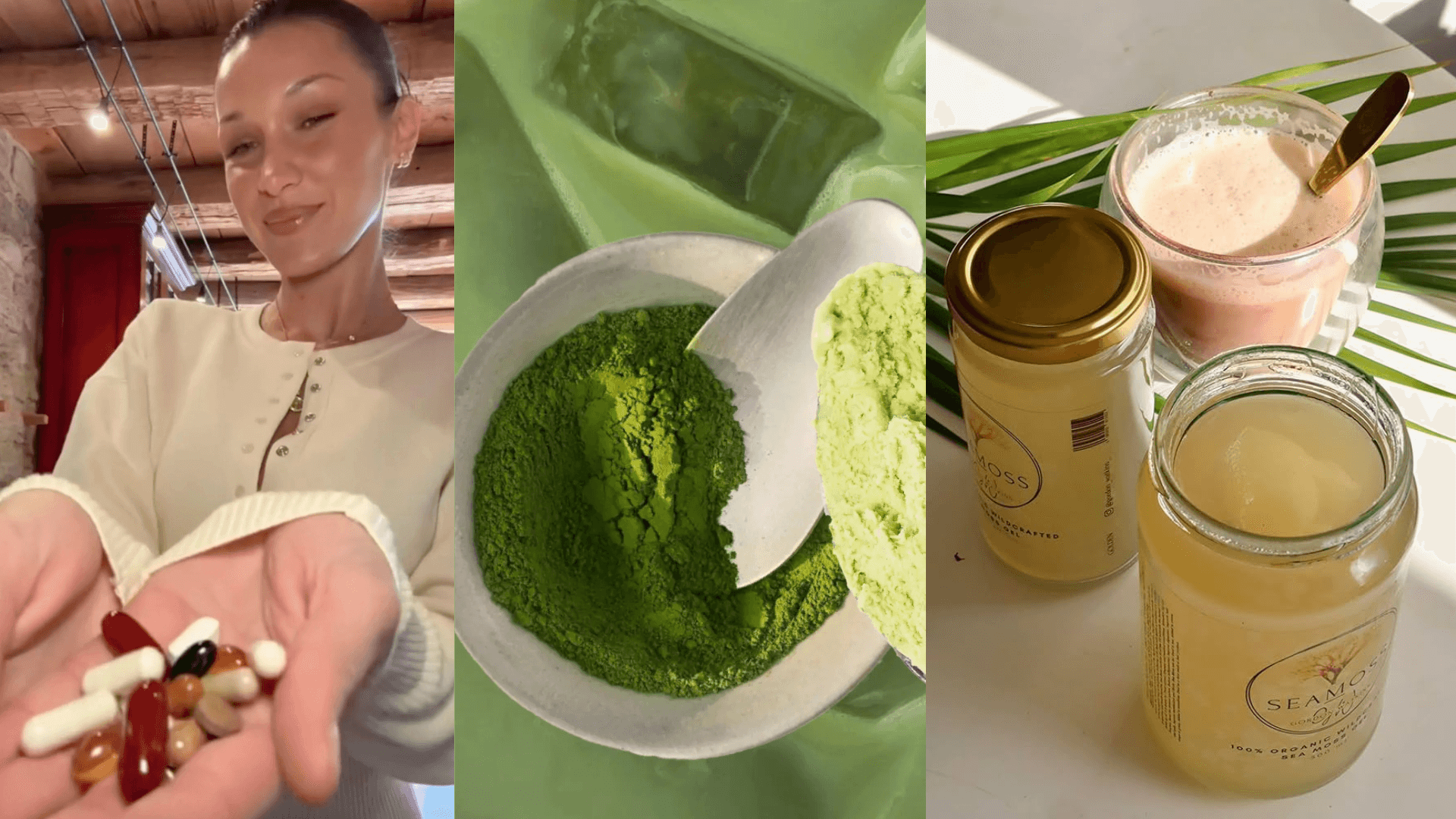
The wellness segment of the internet challenges public perception by encouraging individuals to examine various aspects of their health. From hormone imbalances to the necessity of supplements such as collagen and magnesium, the conversations circulating online can often induce anxiety about personal health. This culture, pushing individuals to constantly evaluate their wellness, can ironically lead to elevated cortisol levels, intensifying the very issues they aim to avoid.
Spending Patterns Among Gen Z and Millennials
Reports indicate that younger generations, particularly Gen Z and Millennials, are substantially increasing their health-related expenditures. New data reveals that these groups spend approximately three times more on fitness memberships compared to Baby Boomers, with over half engaging in wellness practices such as yoga and Pilates that promote both physical and mental fortitude.
Emerging Wellness Trends
The influence of the internet has transformed once niche wellness treatments into mainstream trends, with search queries for modalities such as cold plunges and red-light therapy experiencing significant growth between 2023 and 2024.
Alcohol Consumption Shift
This shift in wellness orientation has been paralleled by a decline in alcohol consumption among younger audiences, as they increasingly gravitate towards non-alcoholic options like prebiotic sodas, signaling a broader change in lifestyle choices.
Concerns About Orthorexia
While a focus on health can be beneficial, experts caution that this emerging wellness culture may promote orthorexia, defined as an unhealthy obsession with eating healthily. Furthermore, as the health food and supplement sector thrives, the rise in liver problems linked to excessive supplement use raises alarms, particularly as many supplements lack FDA approval.
The Bottom Line
Though an increased commitment to health is commendable in the face of rising healthcare challenges, experts assert that adherence to fleeting wellness trends is unlikely to lead to sustainable health outcomes. The most practical health measures include balanced nutrition, ample rest, hydration, and effective stress management.
As lifestyle influencers promote unrealistic goals and routines, the simplest health regimes often prove to be the most effective. Ultimately, stressing over health to the extent encouraged by online platforms may have adverse effects on well-being.
Comments are closed