
Introduction
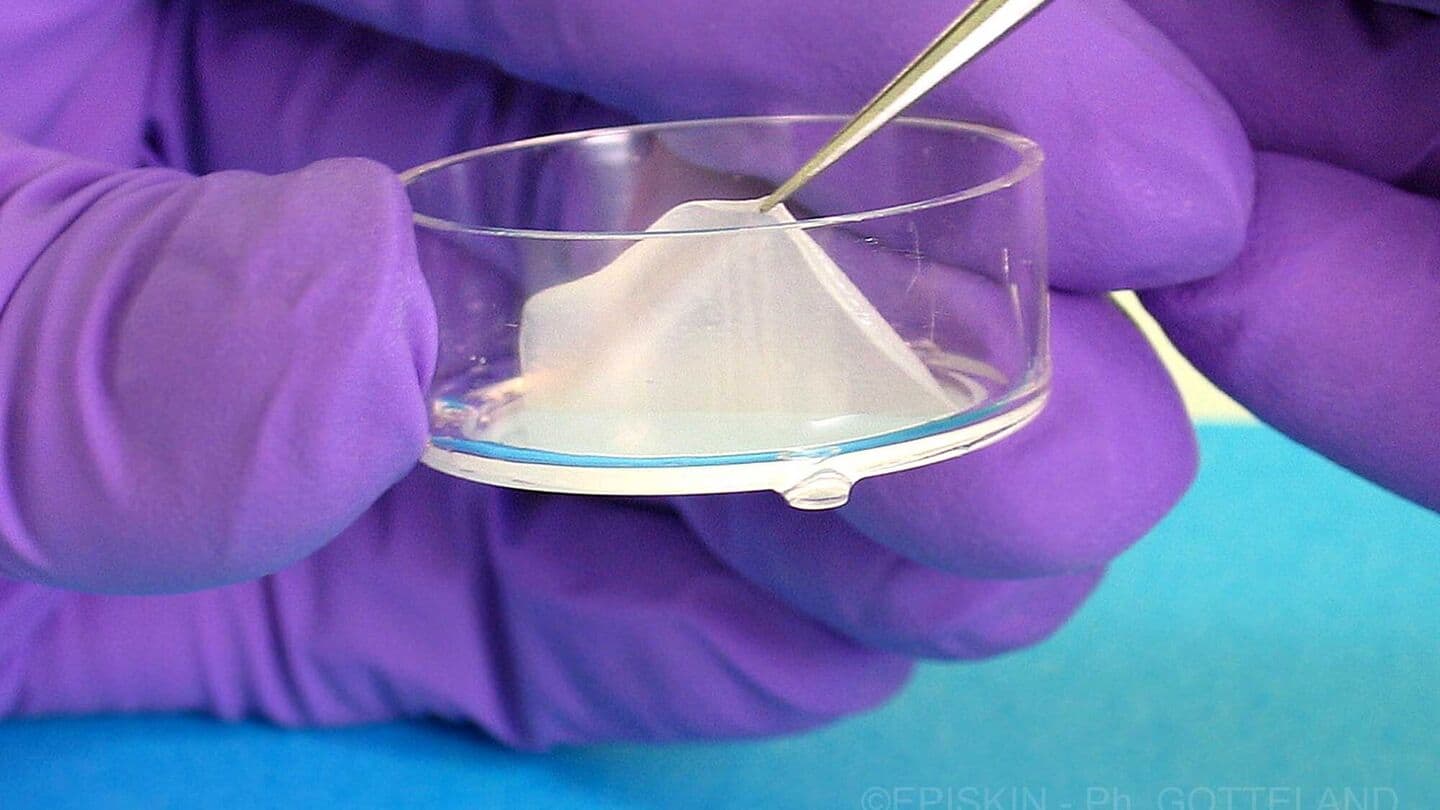
In a significant advancement for ethical testing, researchers from Graz University of Technology in Austria and Vellore Institute of Technology (VIT) in India are pioneering the development of a synthetic skin. This innovative material utilizes a combination of 3D-printed hydrogel layered with living human cells.
The Process of Creating Synthetic Skin
The team focuses on ensuring the synthetic skin is durable enough for extensive cosmetic testing, aiming to maintain its viability for two to three weeks. Karin Stana Kleinschek, a researcher from the Institute of Chemistry and Technology of Biobased Systems, noted that the choice of hydrogel is vital due to its high water content, creating suitable conditions for living cell integration and promoting growth.
Potential Game-Changer in Testing
This synthetic skin is designed to accurately mimic human reactions to cosmetics and various substances. By doing so, it could serve as an ethical alternative to animal testing, applicable not only in cosmetics but also in drug testing and wound healing.
The Impact on Animal Welfare
The necessity of this innovation stems from the ongoing ethical concerns surrounding animal testing in the cosmetic industry. According to the organization Humane World for Animals, around 500,000 animals suffer or die each year due to cosmetics testing alone.
Comments are closed