
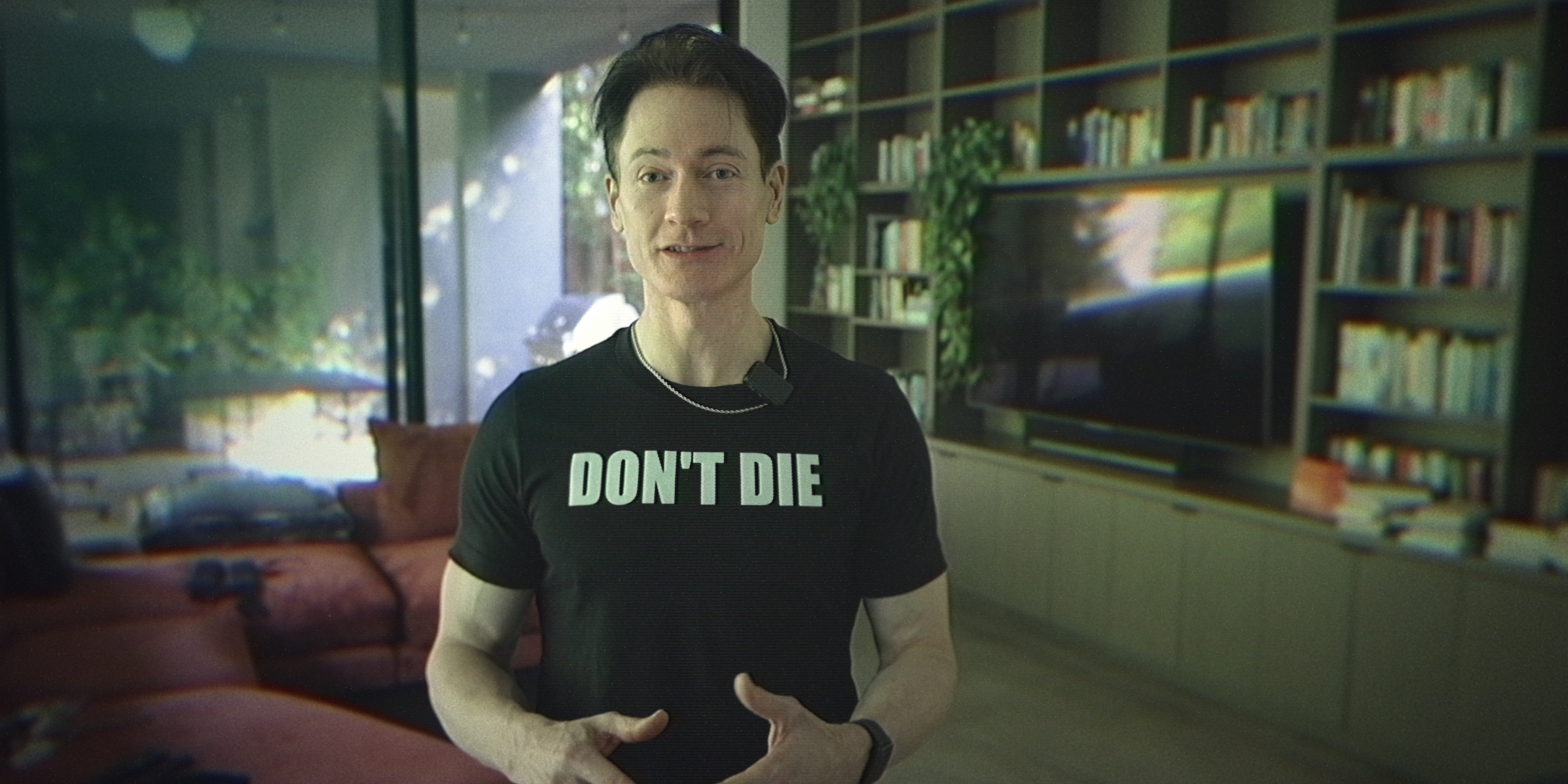
Bryan Johnson’s Quest for Longevity
Bryan Johnson has embarked on a seemingly endless journey to enhance his longevity. Spending approximately $2 million each year, Johnson has adopted a wide range of supplements and therapies. He is perhaps best known for using his son Talmage’s plasma in his quest.
In his Netflix documentary, Don’t Die, Johnson claims to have reduced his biological age by 5.1 years. However, a recent article by The New York Times suggests that his biological age has fluctuated dramatically, even increasing by 10 years in internal reports, casting doubt on his claims.
Experts Weigh In on Johnson’s Methods
Many longevity experts express skepticism regarding Johnson’s extreme measures. They stress the importance of fundamental health practices over experimental approaches. S. Jay Olshansky, a professor at the University of Illinois Chicago, emphasizes that without verifiable science to support Johnson’s claims, his statistics remain largely irrelevant.
Olshansky notes, ‘Bryan can do all he wants to lower his biological age through whatever means he’s choosing, but unless it’s translated into science that tells us that a modification of the biomarker actually makes people live longer and/or healthier, then it’s pretty much a useless statistic.’
Focus on Fundamental Health Practices
Experts urge individuals to prioritize crucial health habits such as
- Regular exercise
- Healthy weight maintenance
- Consistent quality sleep
- Avoiding tobacco and other toxins
Dr. Douglas E. Vaughan from Northwestern University emphasizes the need for meaningful relationships and strategies for stress reduction.
The Concept of Biological Age
Biological age, a term gaining traction, is not a one-size-fits-all measure. Olshansky explains that biological age involves various personal health indicators and is measured in several ways, including blood protein levels and DNA testing. However, these metrics are not absolute indicators of lifespan.
Moving Forward
While investigations into potentially lower biological age methods continue, caution is recommended. Dr. Vaughan describes Johnson’s approach as misguided, advocating that individuals should not mimic such extreme behaviors.
As interest in health and longevity continues to grow, experts maintain, ‘We need science to guide us on where to go.’ Striking a balance between exploration and practicality may lead to more sustainable health outcomes for the future.
Comments are closed