

In recent years, ice baths have surged in popularity, with fitness enthusiasts and casual exercisers alike embracing this trend originally favored by elite athletes.
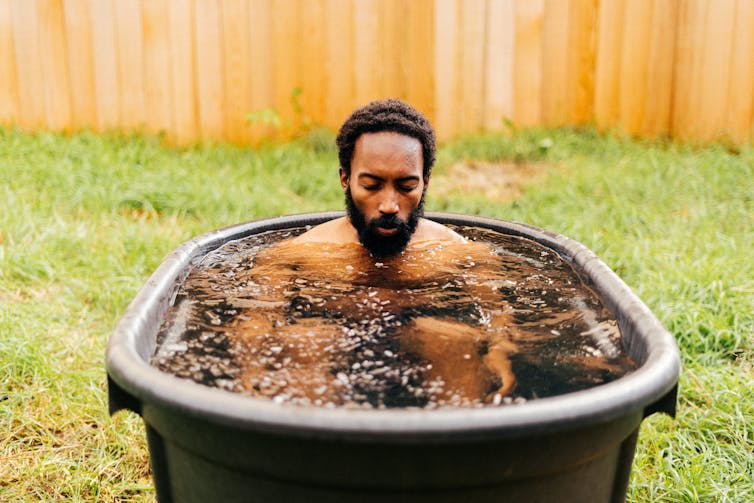
Ice baths, also known as cold water immersion, involve submerging the body in cold water for a specified duration. The typical water temperature ranges from 10–15°C, and social media is filled with videos of individuals endorsing ice baths as various benefits from recovery to mental wellness.
Ice Baths for Recovery
One primary reason for using ice baths is to alleviate muscle soreness and enhance recovery following intense workouts. Athletes, including runners, weightlifters, and football players, often rely on ice baths.
Research supports the notion that ice baths can effectively improve post-exercise recovery. Studies indicate that taking an ice bath immediately after strenuous exercise can significantly reduce muscle soreness in the hours and days that follow, along with facilitating recovery in muscle strength, power, and flexibility.
Ice baths are believed to mitigate inflammation, reduce muscle swelling, and enhance the clearance of lactate and other metabolites, which supports faster recovery. Therefore, for individuals who engage in intense exercise routinely, ice baths could prove beneficial.
However, frequent use of ice baths may not be advisable for all athletes. While they aid in recovery by reducing inflammation – an essential condition for muscle adaptation and strength gains – overuse may hinder training-related improvements in strength, endurance, and muscle growth.
Importantly, studies show that ice baths do not negatively impact aerobic fitness, permitting regular use after aerobic workouts.
Ice Baths and Overall Health
Recently, ice baths have caught the attention of the broader wellness community, with claims that they could improve mental health, bolster immune function, and enhance overall wellbeing. However, research on this is considerably limited.
A systematic review examining the effects of regular cold water immersion revealed only 11 studies, some utilizing cold showers instead of ice baths. The findings suggested a slight reduction in stress, marginal enhancements in sleep quality, and a decrease in self-reported illness frequency. However, these results have to be interpreted cautiously due to their preliminary nature.
Potential Risks
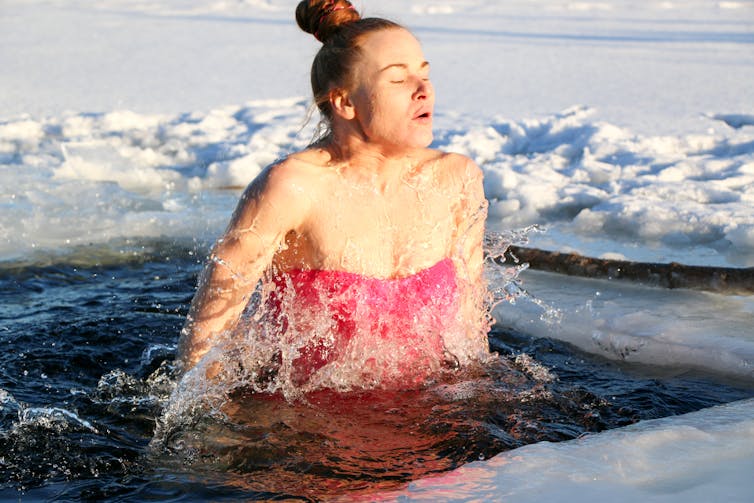
While no substantial population-level research exists on the dangers of ice baths, certain risks may still be associated. In rare cases, cold water immersion can induce cold shock, leading to symptoms like hyperventilation, increased blood pressure, and potentially serious cardiac issues.
Staying in an ice bath for extended durations beyond 30 minutes can also heighten the risk of hypothermia, representing a serious health hazard.
Five Tips for Those Considering Ice Baths
- 1. Temperature Control: Aiming for a water temperature of 10–15°C usually proves effective for achieving benefits without excessive cold exposure.
- 2. Duration: Typical ice bath sessions last between 10 to 20 minutes; if you’re new, starting with shorter intervals, around 10 minutes total in small bouts, is advisable.
- 3. Gradual Entry: To prevent cold shock, initially immerse feet and legs before proceeding to deeper water. Slowly getting accustomed to the colder water helps to minimize discomfort.
- 4. Listen to Your Body: Pay attention to your body during the ice bath. If you experience dizziness or numbing sensations, it may be time to exit.
- 5. Use Sparingly: For those training to increase muscle strength or size, consider limiting ice bath usage to avoid counterproductive effects on progress.
Comments are closed