
Innovative Gene Therapy for Dysferlinopathy
A University of Alberta research team has achieved a significant milestone in developing a gene therapy to treat dysferlinopathy, a rare genetic condition that hampers muscle repair.
The research findings indicate that the team has successfully created an antisense oligonucleotide aimed at restoring the function of the essential muscle-repair protein dysferlin, which is often disrupted in patients with dysferlinopathy.
Dysferlinopathy comprises a group of genetic mutations critical to dysferlin production and affects approximately one in 1,300 to one in 200,000 individuals. This condition leads to progressive muscle weakness starting in late teens or early twenties.
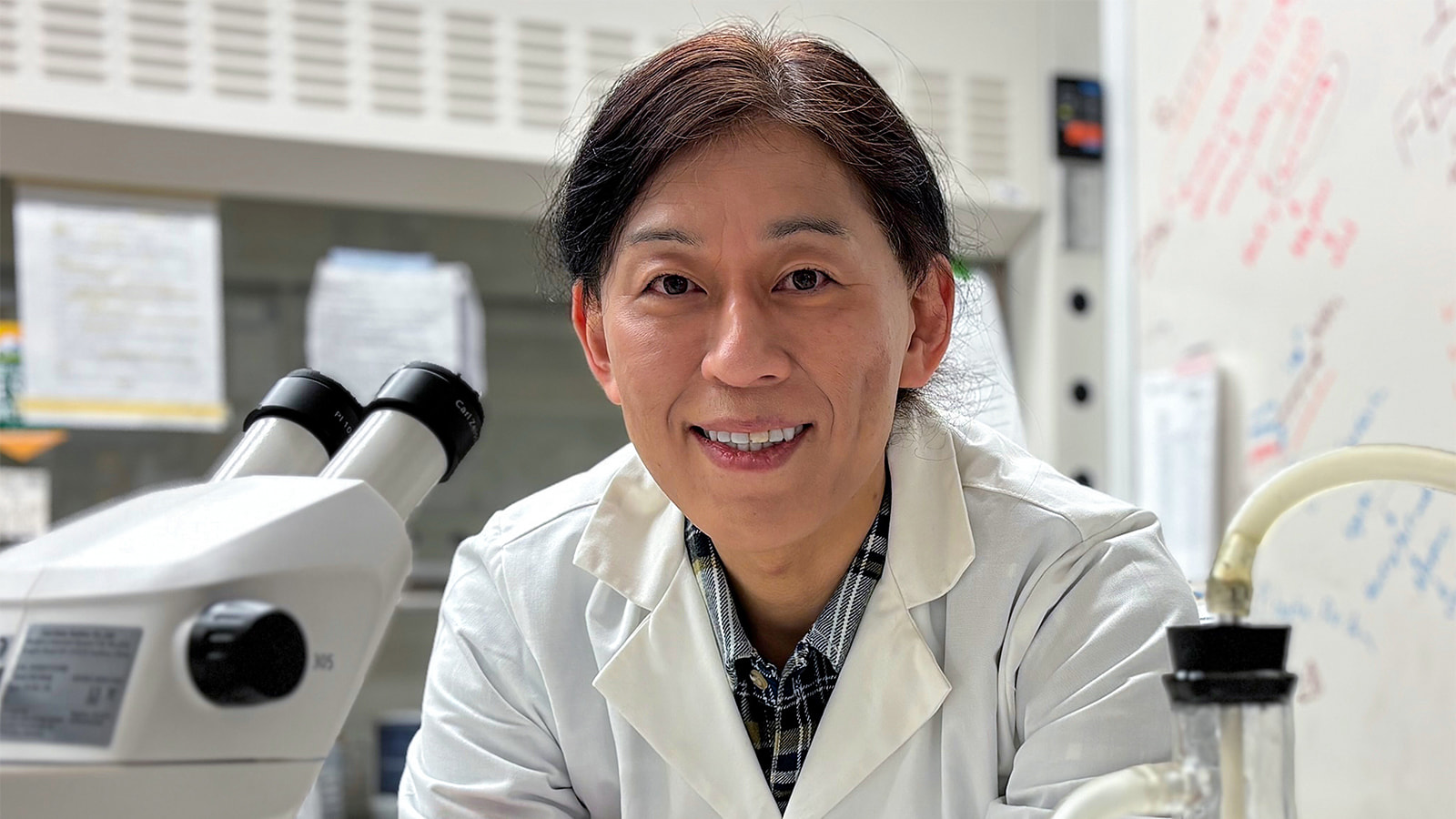
“It’s not the most severe form of muscular dystrophy, so many patients live into their 60s and 70s, but they have a lifelong disability and have to use a wheelchair,” said Professor Toshifumi Yokota, who is leading the project. “It’s a quite devastating disease.”
According to Yokota, the new findings hold promise for future animal and human clinical studies.
Previously, Yokota’s lab developed viltolarsen, a drug for treating Duchenne muscular dystrophy, which enhanced production of dystrophin, another muscle-building protein.
Yokota collaborated with an international team to develop eSkip-Finder, a machine learning tool designed to identify optimal genetic sequences for therapeutic targeting effectively.
“Traditionally we had to test many antisense oligonucleotides for efficacy, but now the machine learning software can help us predict effectiveness, making the process streamlined,” explained Yokota.
In recognition of his contributions to muscular dystrophy research, Yokota has been named the top global contributor by ScholarGPS over the past five years, highlighting the University of Alberta’s prominence in the field.
This research is supported by various organizations, including the Canada Foundation for Innovation, Muscular Dystrophy Canada, and others, underscoring the collaborative effort to advance treatment options for patients.
Looking ahead, Yokota’s goal is to develop innovative therapeutics for neuromuscular diseases and potentially cure muscular dystrophy using cutting-edge technologies such as CRISPR genome editing.
The success of this research can be attributed to patient contributions, highlighting the importance of collaborative efforts in advancing medical science.
Comments are closed