
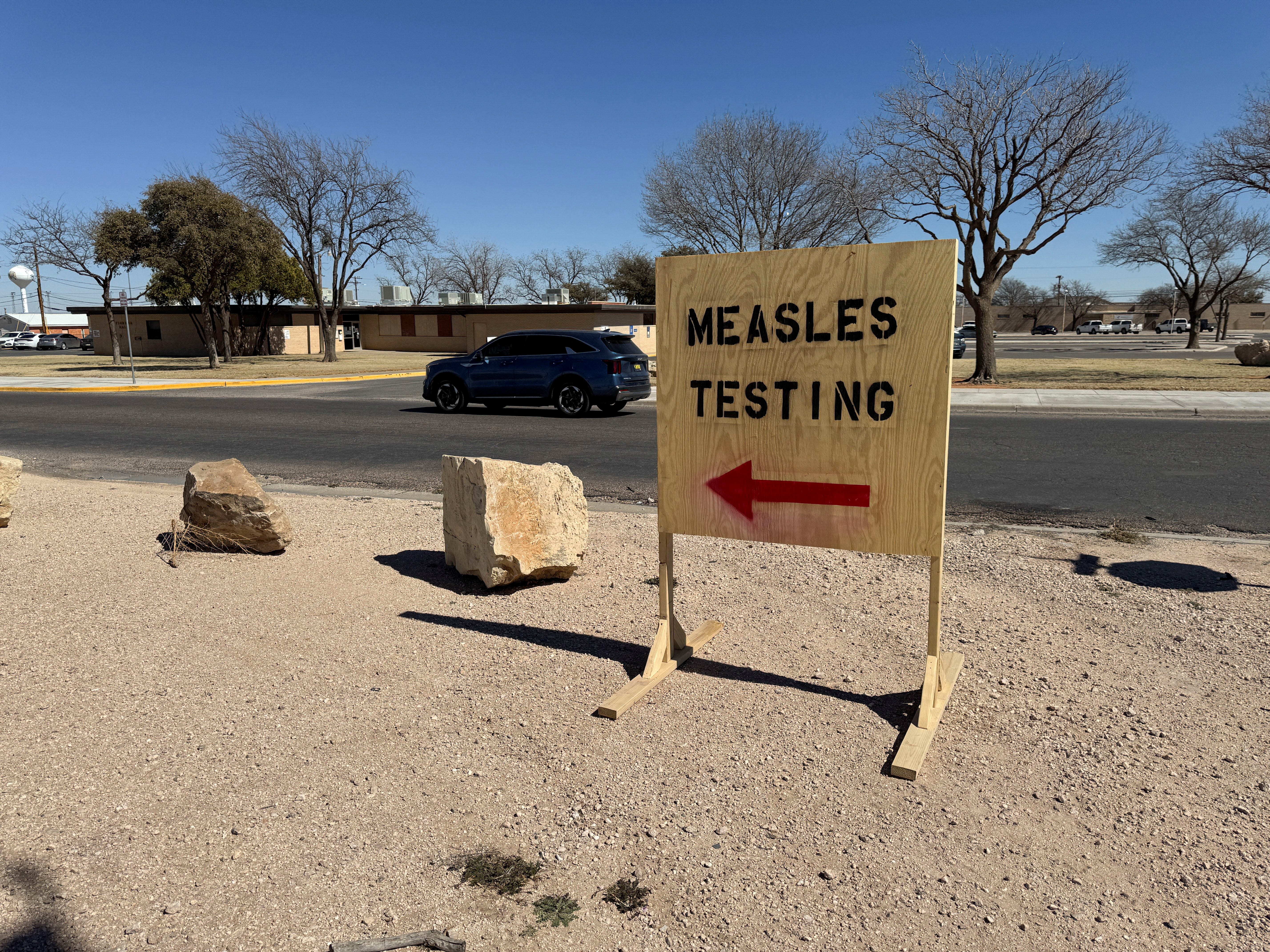
Despite decades of scientific evidence failing to establish a link between autism and vaccines, the U.S. Centers for Disease Control and Prevention (CDC) is reportedly planning a new investigation into the potential connections between the two. This decision surfaces in the context of one of the largest measles outbreaks in years, which has resulted in multiple fatalities among unvaccinated individuals in New Mexico and Texas.
As reported by Reuters, it remains unclear whether U.S. Health Secretary Robert F. Kennedy Jr. is directly involved in the expansive study. Kennedy has a history of promoting anti-vaccine sentiments as well as conspiracy theories related to health, which raises concerns about the integrity of any findings.
During this outbreak, Kennedy has downplayed the severity of the situation, suggesting controversial remedies like vitamin A to combat measles, whereas health experts emphasize the safety and effectiveness of vaccines as the most reliable method for controlling the spread of this highly contagious disease.
Vaccination against measles through the measles, mumps, and rubella (MMR) vaccine remains crucial, particularly given that communities with lower vaccination rates are experiencing heightened numbers of cases due to misinformation labeling these vaccines as harmful. The MMR vaccine offers about 97% effectiveness post two doses and 93% post one dose, with previous success leading to the eradication of measles in the U.S. as of 2000.
Over the years, autism diagnoses in the U.S. have steadily risen since 2000. Researchers often link this increase to enhanced screening practices and a broader range of behavior definitions, yet high-profile figures still erroneously blame vaccines for this trend.
Kennedy has consistently propagated doubts regarding the measles vaccine while attempting to assure the public that he does not oppose vaccinations. Public health experts and scientists have raised alarms regarding his ideals, arguing that they jeopardize public health.
“His anti-vaccine stances are dangerous,” stated Dr. Paul Offit from the Vaccine Education Center at the Children’s Hospital of Philadelphia. “What diseases would he like to come back?”
President Donald Trump has also engaged with Kennedy, suggesting a discussion around vaccine safety in the context of rising autism rates. In a recent appearance, Kennedy criticized federal reporting on vaccine-related injuries, urging a better quantification of the associated risks.
What are the facts regarding the vaccine-autism link?
Although the CDC’s motivations for a new study remain unclear, it’s important to note that the claims linking the MMR vaccine to autism stem from a retracted 1998 study by Andrew Wakefield, a disbarred physician. This paper analyzed a mere twelve children and has since been discredited by overwhelming subsequent research.
Large-scale studies conducted in 1999, 2002, and 2019, comprising hundreds of thousands of children, have found no association between vaccinations and autism. This consistent scientific consensus highlights the robust safety evaluations vaccines undergo.
Considering vaccine safety
Every medical intervention, including vaccines, is subject to side effects. However, vaccines are heavily regulated and undergo extensive testing. Dr. Matthew Boulton, a professor at the University of Michigan School of Public Health, remarked that “there’s probably no therapeutic medication that undergoes more safety testing than vaccines.” Individuals are encouraged to report any adverse reactions to the Vaccine Adverse Event Reporting System (VAERS).
Understanding rising autism rates
Autism Spectrum Disorder (ASD) is characterized by varying degrees of neurological and developmental impacts that affect communication, interaction, and behavior. The prevalence of autism has sharply increased, with an estimated 1 in 36 children diagnosed in 2012 compared to 1 in 150 in 1992.
While a lack of a definitive explanation concerning increasing rates exists, many researchers believe growth in awareness significantly influences diagnosis quality. Genetic factors also play a crucial role, as research connects numerous genes to ASD and highlights genetics as a dominant factor, especially in identical twins.
Comments are closed