
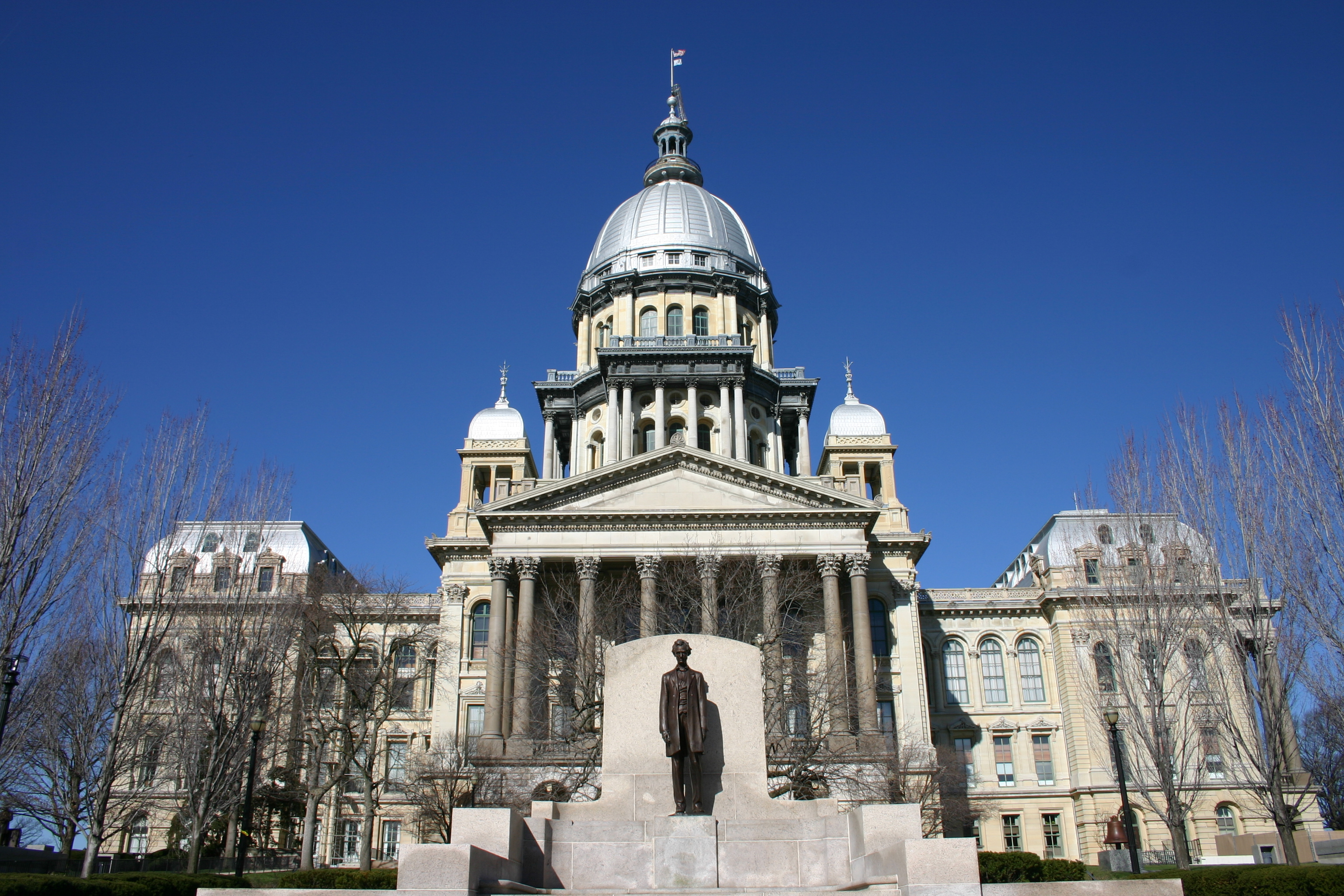
Significant Legislative Changes Ahead for Illinois
As the countdown to 2025 begins, residents of Illinois must prepare for at least 293 new laws that will come into effect on January 1. These new regulations will influence various aspects of daily life including health insurance, driver’s licenses, employee rights, and more.
Impact on Health and Wellness
The health insurance landscape in Illinois will see substantial modifications. Significant reforms include:
- Annual Health Screenings: HB 2350 mandates coverage for prostate and cervical cancer screenings for all insured individuals, regardless of gender.
- Coverage for Hearing Instruments: HB 2443 expands insurance plans to include medically necessary hearing devices for individuals of all ages.
- Price Caps on Medications: HB 3639 requires insurance companies to limit the cost of a twin-pack of epinephrine injectors to $60.
- Mental Health Services: HB 4460 ensures mental health therapy services are accessible to police officers and their families.
Additionally, new reforms will facilitate better access to psychiatric aid, encompass preventive screenings, and offer broader coverage for treatments based on individual needs.
Transformative Changes in Transportation
Speaking of practical implications, changes observed in transportation regulations are also noteworthy:
- Mobile Driver’s Licenses: HB 4592 empowers the Secretary of State to issue mobile ID cards and driver’s licenses.
- Driver’s License Duration: SB 0275 allows applicants to opt for an 8-year driver’s license, enhancing flexibility.
- Parking Restrictions Near O’Hare: HB 5408 prohibits stopping or parking on highway shoulders within a half-mile of the eastern entrance to O’Hare Airport.
Enhanced Employment Laws
Workforce regulations are also evolving:
- Equal Pay Transparency: Effective January 1, provisions of HB 3129 will compel businesses to disclose pay scales and benefits in job listings.
- Minimum Wage Increase: Starting January, the minimum wage for non-tipped employees in Illinois and Cook County will rise to $15 per hour.
Various other regulations will ensure improved rights and protections for workers across several sectors.
Conclusion
As Illinois ushers in 2025, residents should prepare for these sweeping changes. The new laws provide opportunities for better health, fair treatment in the workplace, and enhanced safety in transportation.
What’s next for you in adapting to these new laws?
Comments are closed