
As we approach 2025, the idea of superfoods is set to transform within Indian kitchens, as these nutritional gems become both accessible and deeply ingrained in daily diets. Rather than searching far and wide for these health icons, individuals can turn to familiar and traditional staples that carry rich health benefits.
Amla (Indian Gooseberry): The Immunity Booster
Amla is revered for its high content of Vitamin C, antioxidants, and essential minerals. This small yet mighty fruit plays a vital role in enhancing immunity, aiding digestion, and promoting vibrant skin and hair.
How it’s eaten: Amla can be enjoyed raw, as juice, in pickles, or chutneys.
Why it’s trending: After the pandemic, many are turning to foods that strengthen immunity, making Amla a hot favorite.
Ghee: The Healthy Fat
As a traditional staple, ghee is rich in good fats and has numerous health benefits. It supports digestion, fortifies immunity, and even boosts brain function.
How it’s eaten: Just a dash in dal, rotis, or rice; or used in desserts like halwa.
Why it’s trending: People are now embracing healthy fats instead of shunning them.
Moringa: The Nutritional Powerhouse
Moringa, known for its leaves, pods, and seeds, offers a wealth of protein, B vitamins, calcium, and antioxidants, contributing to overall health improvements.
How it’s eaten: Popular in sambar, stir-fried dishes, or soups.
Why it’s trending: Its effectiveness in managing blood sugar levels, cholesterol, and inflammation enhances its appeal.
Coconut: The Versatile Ingredient
From its water to its flesh and oil, every aspect of the coconut is packed with nutrients. Its better-than-animal-fat appeal has made it a go-to ingredient rich in electrolytes.
How it’s eaten: Coconut is included in chutneys, curries, or rings.
Why it’s trending: Coconut’s utility and nutritional benefits cater to both modern and traditional culinary practices.
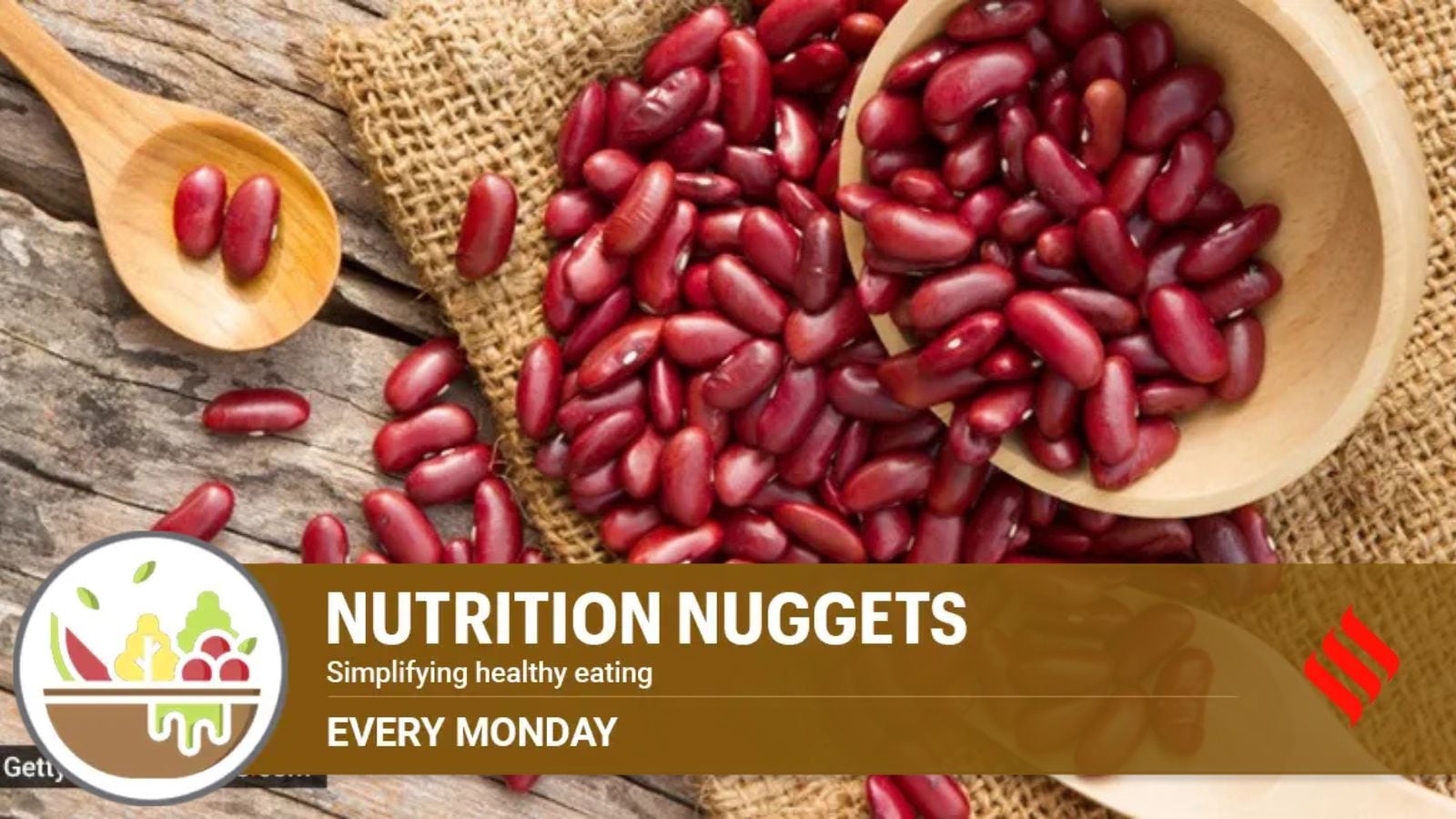
Rajma (Kidney Beans): The Plant-Based Protein
This much-loved legume is an excellent source of protein, iron, and fiber, providing solid nutrition for muscle repair, heart health, and sustained energy.
How it’s eaten: Typically served in the classic rajma-chawal or included in stews.
Why it’s trending: Rajma has seen a rise in popularity due to the increasing demand for plant-based protein sources.
Sesame Seeds (Til): The Tiny Titans
These tiny seeds are packed with calcium, iron, and healthy fats, and they are known to support bone health and boost energy levels.
How it’s eaten: Found in til laddoos, sesame oil, or sprinkled onto salads.
Why it’s trending: A renewed interest in traditional seeds has driven sesame’s popularity.
Seasonal Vegetables: Nature’s Bounty
Vegetables like bottle gourd, bitter gourd, and pumpkin are rich in fiber and perfect for digestion and blood sugar regulation, making them ideal choices for seasonal eating.
How it’s eaten: Commonly used in curries, stir-fries, or soups.
Why it’s trending: Seasonal eating promotes support for environmental health and provides numerous nutritional benefits.
(Expert insights by a nutritionist at Indraprastha Apollo Hospitals, New Delhi)
Comments are closed