
Diabetes is a global health crisis, particularly in India, where around 77 million people are affected. Termed the ‘diabetes capital’ of the world, India faces the challenge of managing this chronic condition effectively. The winter season poses additional difficulties for those living with diabetes, as fluctuations in weather can impact blood sugar levels significantly.
According to Dr. Manjusha Agarwal, Senior Consultant in Internal Medicine at Gleneagles Hospital, the cold weather can mask the signs of low blood sugar. Dr. Agarwal advises, ‘Cold weather can make it extremely difficult to notice the signs that your sugar levels are decreasing. Individuals are advised to take extra care of their health this month to stabilise their blood sugar levels.’ Stress, often exacerbated by winter gloom, can provoke a rise in blood sugar due to the release of hormones like cortisol.
Understanding Winter’s Impact on Diabetes
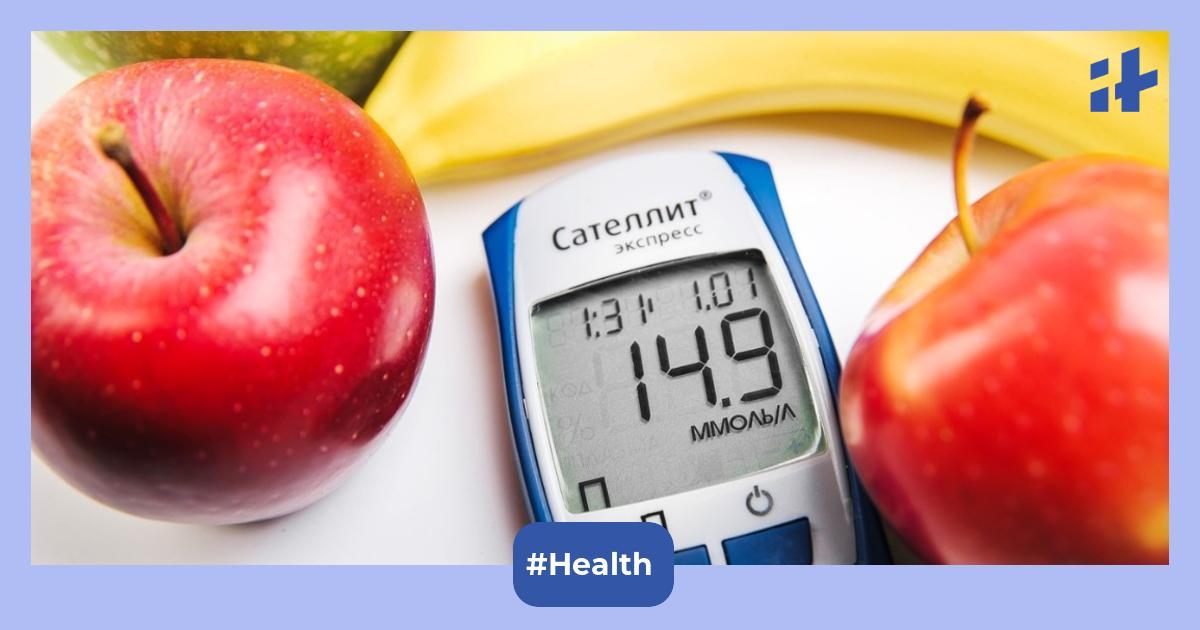
Efficient management of diabetes in winter is crucial. According to Dr. Rajiv Kovil, Head of Diabetology at Zandra Healthcare, colder temperatures can impinge on the body’s insulin response. Regular monitoring of blood sugar levels is essential, which can be conveniently done using a glucometer available at pharmacies.
Incorporating simple lifestyle modifications could enhance overall health during this season. Maintaining an appropriate diet, engaging in light physical activity indoors, and checking blood sugar levels regularly are imperative.
Essential Tips for Managing Diabetes in Winter
- Monitor Diet: Follow a diet plan advised by your doctor, and avoid high-sugar foods like sweets and pastries.
- Balance Meals: Emphasize nutrient-rich, balanced meals to help manage blood sugar levels.
- Dress Warmly: Wear warm clothing, such as wool, to maintain body temperature and help regulate blood sugar.
- Timely Meals: Stick to regular meal times and avoid skipping meals, which can destabilize blood sugar levels.
- Stay Hydrated: Drink sufficient fluids, including water, herbal teas, and soups, to avoid dehydration, which is common in winter.
- Avoid Home Remedies: Avoid unverified home remedies when faced with symptoms; prompt professional medical advice is essential.
- Consult a Doctor: Seek medical consultation if you experience unusual symptoms or fluctuations.
By adhering to these guidelines, individuals with diabetes can navigate the challenges posed by winter more effectively. A proactive approach to managing health during the colder months can lead to improved well-being and longevity.
Comments are closed