Introduction
The COVID-19 pandemic has highlighted the necessity of prioritizing wellness among healthcare professionals. A recent study outlined the implementation of the Well-Teach model, designed to improve the emotional intelligence and overall wellness of healthcare students.
Background
Healthcare workers often confront challenging environments that can lead to burnout and mental health issues. This study underscores the urgent need for sustainable wellness practices in healthcare education.
Methodology
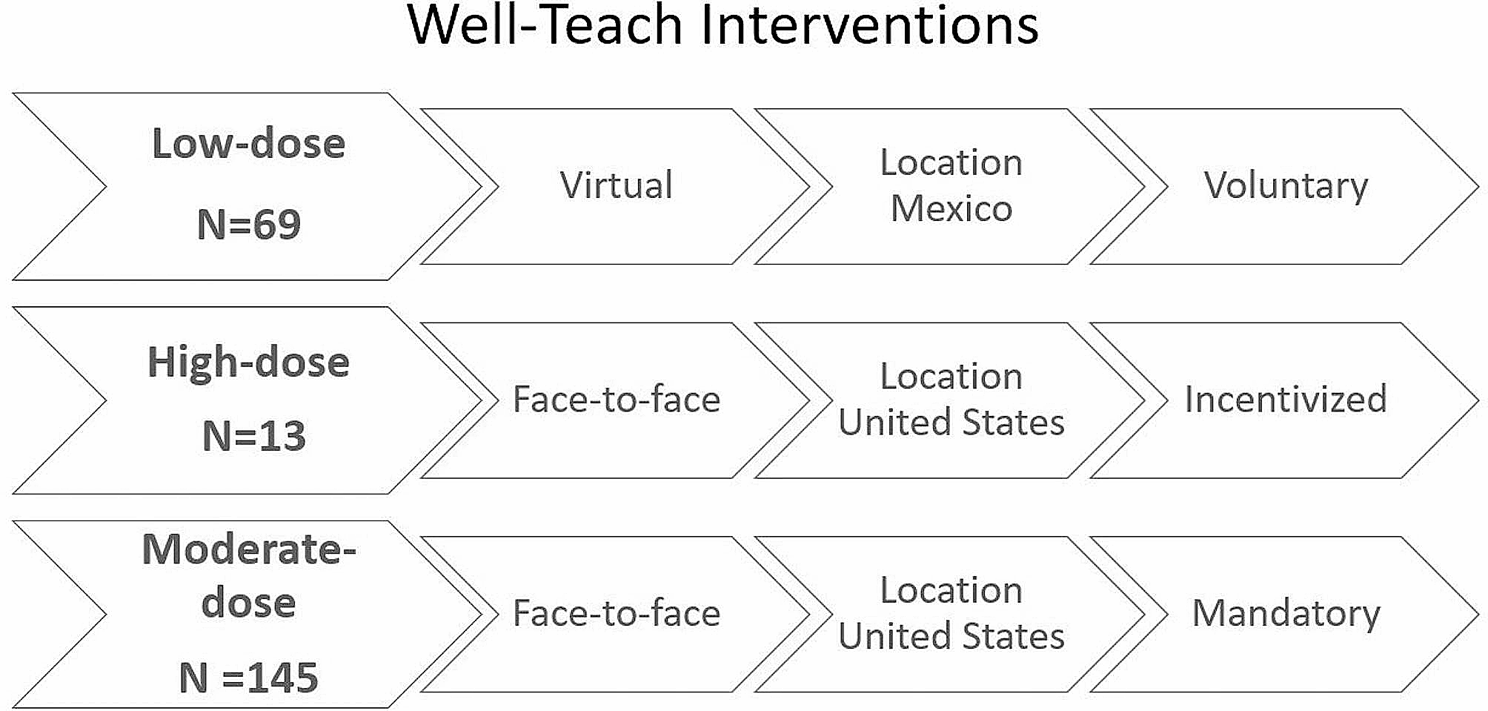
Using various intervention methods, including face-to-face and virtual formats, the study evaluated the impact of wellness programs on quality of life and emotional intelligence among medical and nursing students. Statistical analyses, including paired t-tests, were employed to measure the outcomes.
Results
Participants reported significant improvements in their quality of life and emotional intelligence metrics after undergoing the wellness interventions, particularly in moderate to low-intensity programs.
Conclusions
The Well-Teach model exhibits promise in fostering a culture of wellness in healthcare education, demonstrating that low to moderate-intensity interventions can yield substantial benefits for future healthcare professionals.
Comments are closed