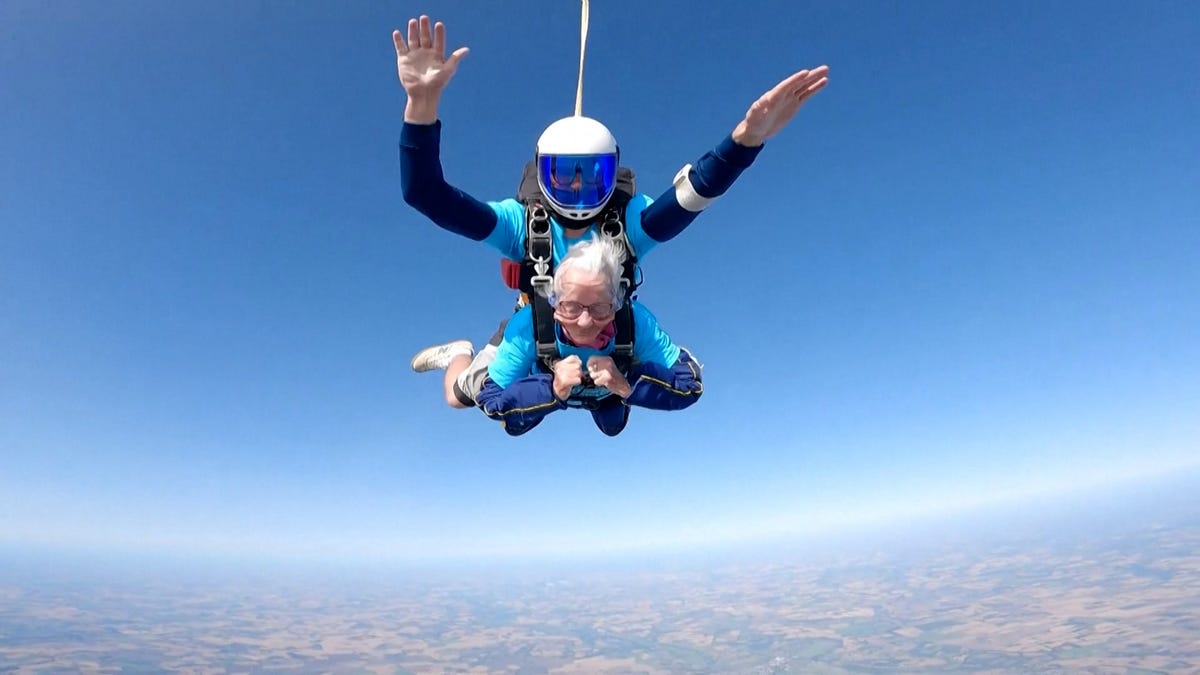
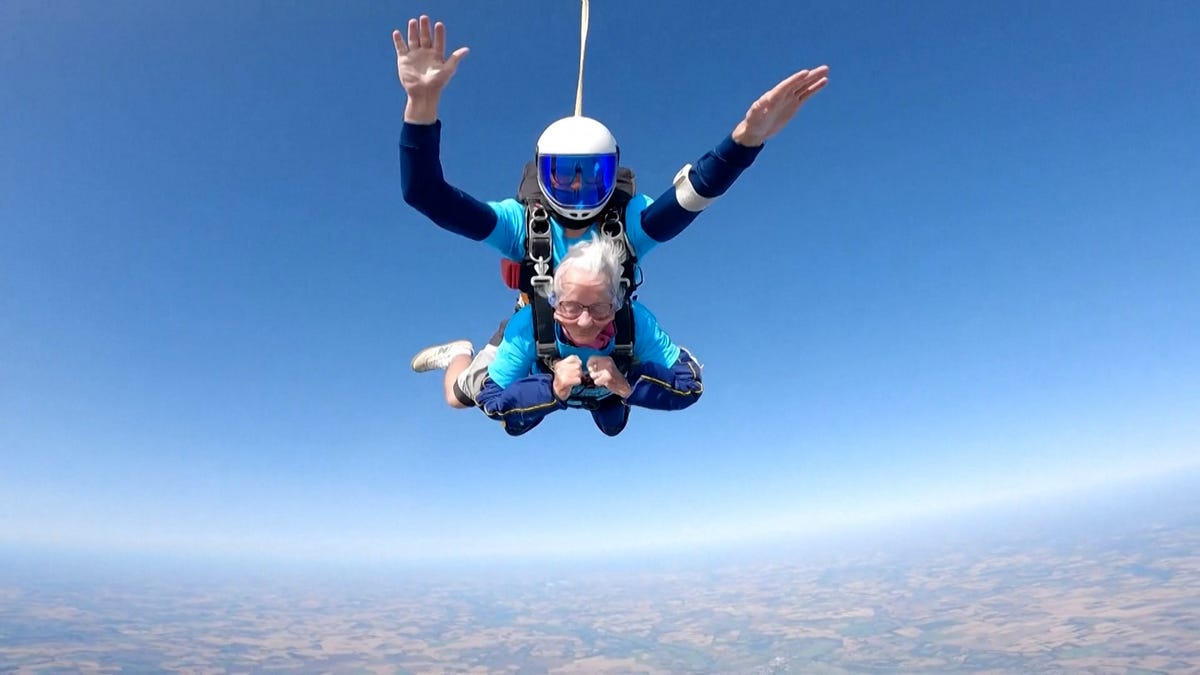
Do you know someone who loves skydiving, free solo rock climbing, or motocross? Chances are, you know an adrenaline junkie. These thrill-seekers are drawn to the rush of extreme sports and activities, often pushing the boundaries of safety for the thrill of it.
What is an adrenaline junkie?
Adrenaline junkies, also known as thrill seekers, are individuals who pursue intense sensations and experiences, often taking significant risks to achieve them. The term was popularized by psychologist Marvin Zuckerman, who studied the motivations behind these behaviors. According to Kenneth Carter, a psychology professor at Oxford College of Emory University, these individuals are willing to take big risks for the experiences they crave.
What ‘high’ are adrenaline junkies seeking?
Engaging in thrilling or dangerous activities triggers a cascade of physiological responses in the body. Hormones like cortisol and dopamine are released, leading to feelings of pleasure and excitement. The heart beats faster, digestion slows, and muscles tense, all contributing to the exhilarating sensation that adrenaline junkies seek.
Are extreme sports actually addictive?
While extreme sports are not as addictive as substances like drugs or alcohol, some research suggests that athletes can experience withdrawal symptoms similar to those with substance addictions. The more an individual engages in these activities, the higher their tolerance becomes, requiring more extreme experiences to achieve the same ‘high.’
Is it OK to be an adrenaline junkie?
While participating in extreme sports can be thrilling, it’s essential to recognize the potential risks involved. Limiting the frequency of these activities, adhering to safety guidelines, and listening to concerns from friends and family can help mitigate the dangers. Remember, the more you engage in risky activities, the more likely you are to get hurt. For more information, visit USA Today.
Comments are closed