From wellness spas to smart home devices
The phrase “mental health is health” has gained traction in the post-pandemic era. While talk therapy platforms have made seeking treatment more accessible, emerging in-person experiences and advanced technology are facilitating a deeper connection with mental well-being.
According to the Centers for Disease Control (CDC), mental illnesses are among the most common health conditions in the U.S., affecting more than one in five adults. Conditions like depression can also negatively impact physical health, increasing the risk for diabetes, heart disease, and stroke.
Public figures have played a significant role in destigmatizing mental health by sharing their personal struggles, as seen with Olympians Simone Biles and Michael Phelps, along with singer Selena Gomez and rapper Megan Thee Stallion.
The conversation around mental health has shifted from being rarely discussed to becoming a leading corporate wellness offering, with platforms like Wellhub providing employees access to mental well-being apps. Fitness brands, such as CorePower Yoga, have also raised awareness about mental health.
The expanding wellness landscape is a perfect match for mental health services and products that adopt a holistic, non-invasive approach, and the possibilities seem endless.
Centers for Healing
California-based Neuro Wellness Spa, a mental health clinic with a spa-like atmosphere, has opened its tenth location in the Los Angeles area. Co-founder Dr. Martha Koo describes it as more than just a medical clinic; it’s a sanctuary for patients seeking advanced, personalized, and non-invasive mental health treatments.
The clinic offers Transcranial Magnetic Stimulation Therapy (TMS), a non-drug and FDA-cleared neuromodulation treatment using gentle magnetic pulses for those suffering from depression, anxiety, and OCD, along with psychiatric assessments, tailored treatment plans, talk-based therapy, and medication management. A tranquil setting with aromatherapy and calming spaces is also emphasized.
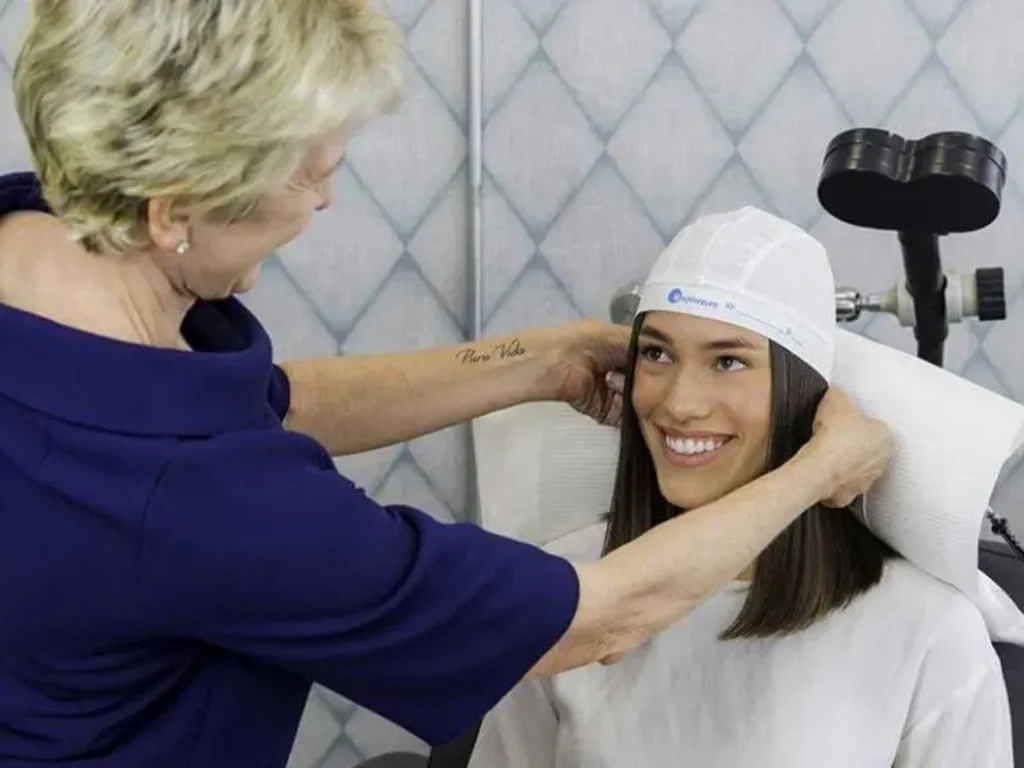
“Our goal is to provide a comprehensive approach to psychiatry that combines the latest evidence-based advancements with a focus on holistic wellness and individualized care,” Dr. Koo said.
While Neuro Wellness Spa caters to a broad demographic, others are focusing on high earners. Highlands Recovery, which opened this year in Australia, offers a luxury program for CEOs, celebrities, athletes, and politicians to receive treatment in a private setting.
“This is an under-serviced area of the market,” said Resh Joseph, clinical director of Highlands Recovery. “The needs of high-net-worth individuals can differ significantly from other areas of society, and meeting those needs can be a real challenge for organizations.”
Canyon Ranch has integrated mental health into its new $20,000 longevity-focused stay at its Tucson resort, which includes private mind-body practices and sessions with mental health, wellness, and spiritual therapists.
Sounds like Healing
In addition to in-person mental health treatment, wellness music has emerged as a new avenue for promoting mental well-being. Sensate, a personal wellness tech startup, has partnered with Frank Fitzpatrick, a former Apple music and health specialist, to unveil music that enhances well-being. This collaboration will release two calming tracks exclusively on Sensate’s app before they join Spotify.
“Our collaboration with Frank Fitzpatrick exemplifies our mission to offer our users unparalleled wellness experiences through innovative music and technology,” said Sensate CEO Anna Gudmundson.
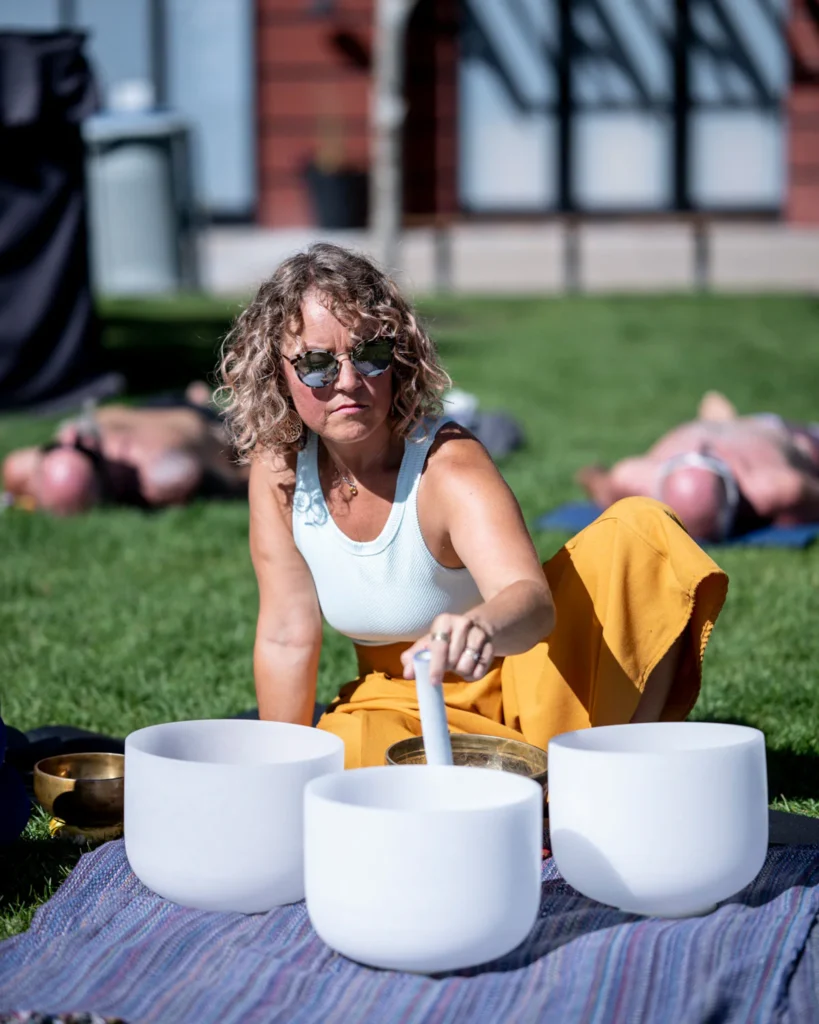
Using music as a bridge to discuss mental health is also the foundation of Park City Song Summit, a Utah music festival that emphasizes wellness and recovery. The event offers concertgoers “recovery hangs,” meditation, yoga sessions, biking, guided hikes, and other wellness activities.
“We’re contributing to a new way of looking at artists and our audience, embracing the de-stigmatization of mental health,” said Park City Song Summit founder Ben Anderson.
Wearables for Mental Health
Wearable tech is evolving beyond fitness trackers to include mental health and improved performance. Alphabeats has created an EEG headband that helps users enter a flow state, beneficial for creativity, recovery, and focus. The startup recently launched a mental fitness initiative with USA Triathlon’s Project Podium to help train top athletes using its neurofeedback technology.
“Mental resilience is crucial for triathlon success, especially at the elite level,” said Project Podium head coach Parker Spencer.
Another wearable, Apollo, aims to calm the mind, improve sleep, reduce stress, and boost productivity through calming vibrations aligned with the nervous system. It employs a proprietary AI platform to create personalized stress-relief plans based on health data.
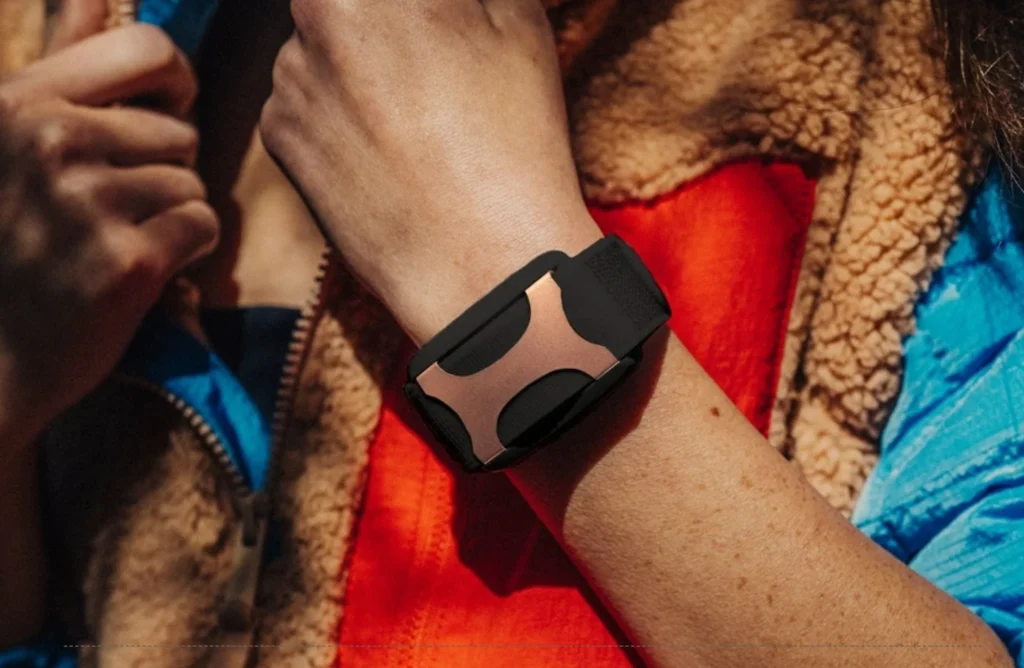
Created by neuroscientists and physicians, Apollo recently announced a division for pro and college sports teams, healthcare organizations, and the military. “While wearables have been available through managed healthcare plans, the data alone doesn’t improve health outcomes,” said Apollo Neuroscience CEO Kathryn Fantauzzi.
Smart Home Devices, Improved Mental Health
Mental health devices may soon become part of home decor. Earlier this year, health tech company Baracoda introduced BMind, an AI-powered smart mirror that identifies mood and provides exercise recommendations.
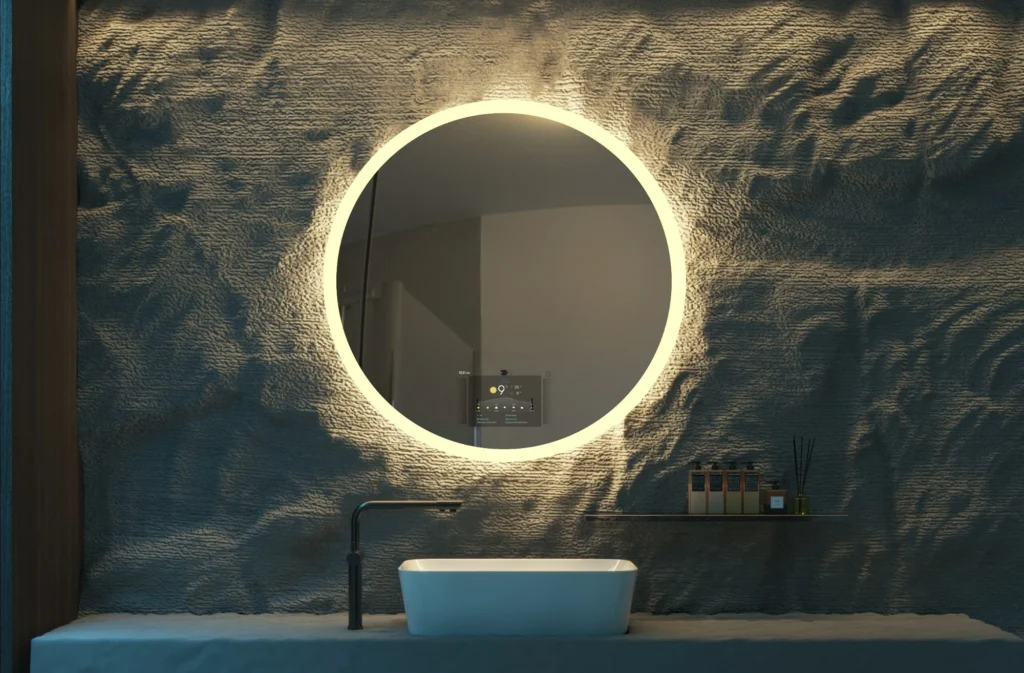
The mirror uses AI and language processing to analyze facial expressions and voice tones, adapting to individual needs with light therapy, self-affirmations, and guided meditations.
“Technology that can monitor subtle changes in health has the potential to improve millions of lives,” said Baracoda CEO Thomas Serval. “Our mental state significantly affects our physical well-being. Including mood in our daily wellness check-ins creates a fuller picture toward redefining preventative health.”
Comments are closed