
Introduction
Many individuals have successfully shed unwanted pounds using popular injectable weight-loss medications such as Ozempic, Wegovy, and Zepbound. These medications, which contain semaglutide, liraglutide, or tirzepatide, work by curbing appetite and enhancing insulin sensitivity. Research indicates that users can lose up to 15% of their body weight. However, what should you consider if you want to wean off these medications?
Expert Insights
According to Dr. Meera Shah, a Mayo Clinic endocrinologist, achieving permanent weight loss requires consistent physical activity and a nutritious diet.
Understanding the Transition
After experiencing positive results on weight-loss medications, you may wonder how to stop taking them. Dr. Shah notes, “We just haven’t had people on this class of medicines for long enough to know what happens in five years, even three years, and when might be the right time to withdraw people off these medicines.” This uncertainty raises questions about the long-term effects of discontinuing these drugs.
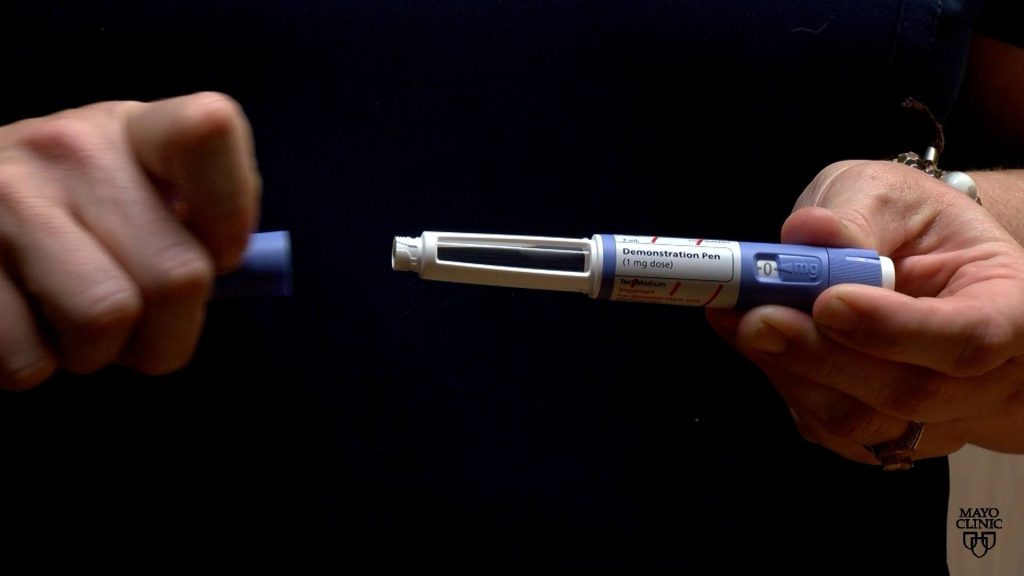
Weight Regain Concerns
Some studies suggest that individuals may regain weight after discontinuing diet drugs. Dr. Shah explains, “If you stopped medication, say within six months of being on it, there’s a very high chance for weight regain.” This phenomenon may be linked to an increase in appetite once the medications are stopped.
Appetite Signals
Dr. Shah elaborates, “What the medicine is doing is it’s actually changing those appetite signals, but when you don’t have that medicine on board, then your body goes back to its default state.” Therefore, it’s crucial to consult with your healthcare team before making any changes to your medication regimen.
Final Thoughts
To maintain your weight loss, consider adopting a balanced diet and staying active. Transitioning off weight-loss medications can be challenging, but with the right support and strategies, it is possible to sustain your progress.
Related Posts
No responses yet