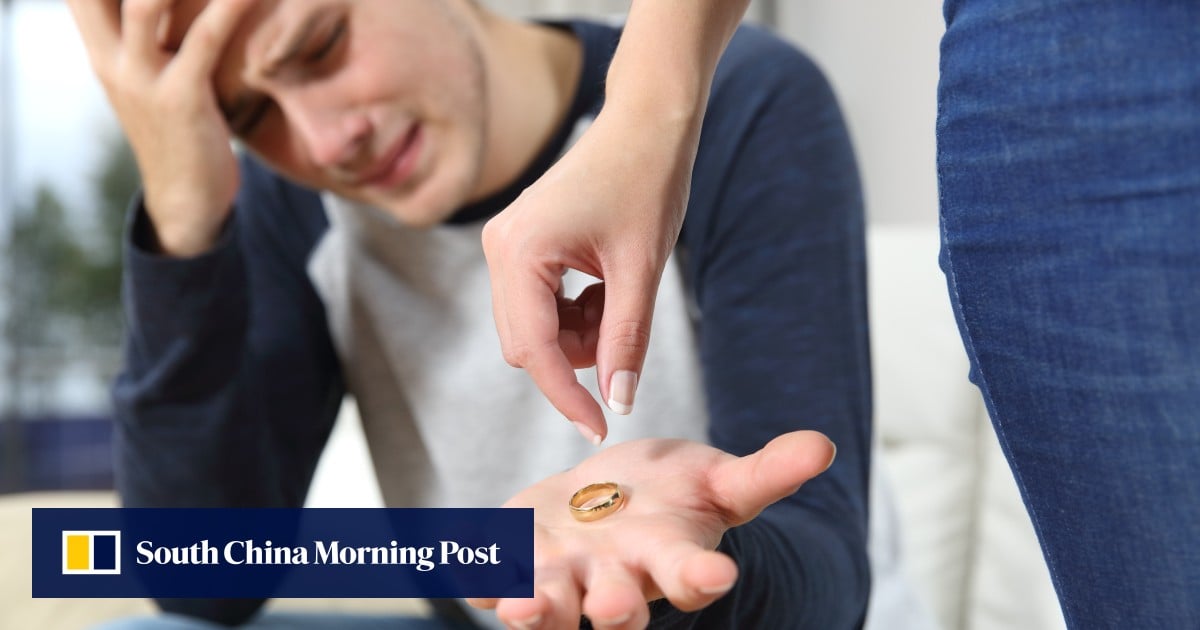
If a friendship or an interest is dead, give it up because it’ll do you good, author says
Do you sometimes feel forced to carry on with something you no longer enjoy, such as learning to play the piano or maintaining – out of a sense of obligation – an old friendship that you now find draining?
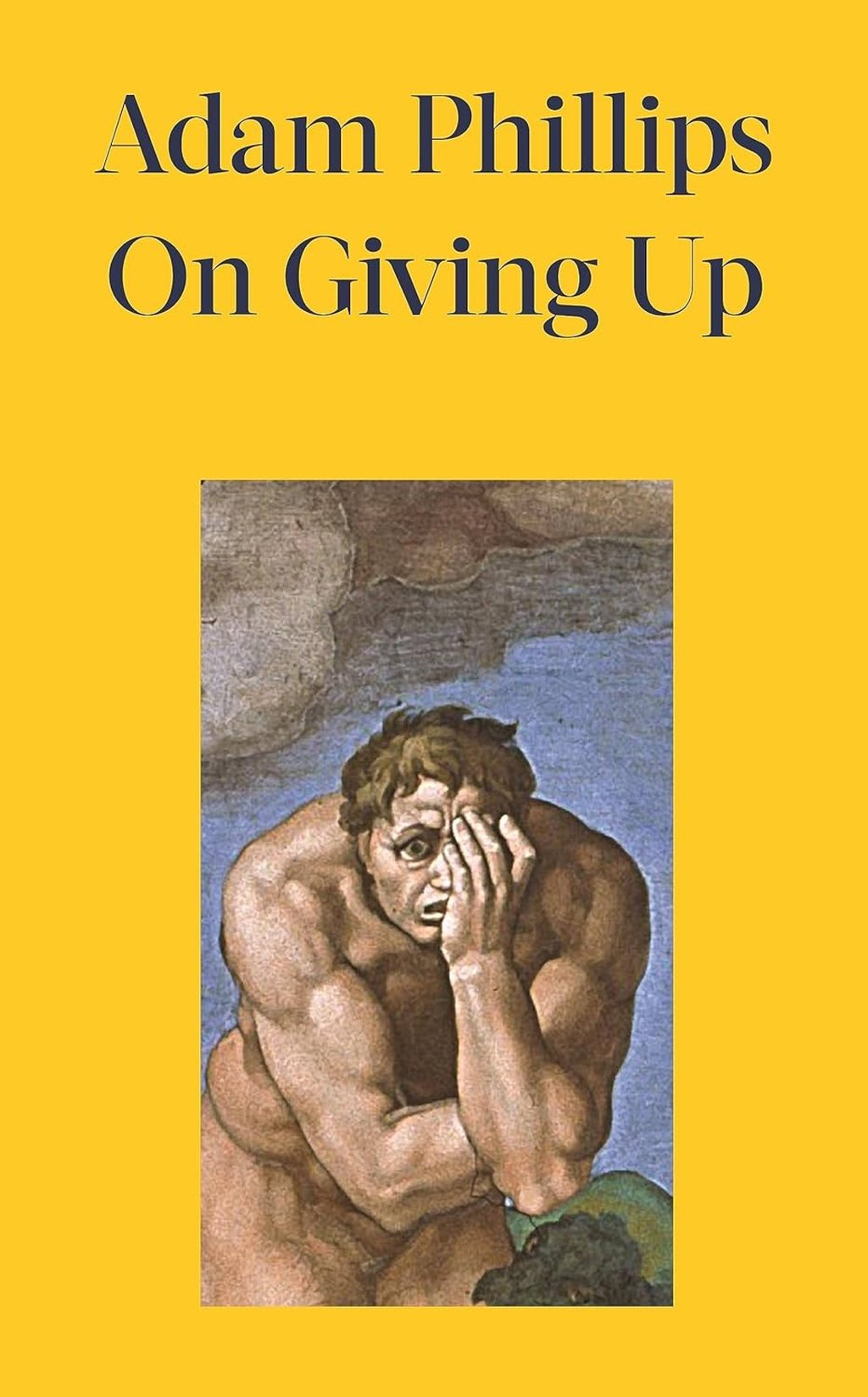
Abandoning something is often regarded as a failure rather than an opportunity to put your time and energy to better use, says British psychoanalyst Adam Phillips, author of the new book On Giving Up.
But if we give up doing things that weigh us down or make us unhappy, we clear the decks for other, more fulfilling things, he says. So quitting can be liberating – and even healthy.
Why do we struggle to let go?
“We’re brought up to believe that persistence and determination are good things,” he said, promoting his new book in an interview with the US-based cable news network CNN.

“Well, of course they are good things. If you want to learn to play the piano, you cannot just give up when it’s difficult. But, on the other hand, do you actually want to learn to play the piano?
“Similarly, it could be good to give up on relationships or interests when you realise they are no longer alive for you. But people find that extremely difficult, because we’re not supposed to give up.”

In his book, Phillips describes tragic heroes in plays as “people that never give up, and in never giving up, they just create havoc”.
How do you know when to give up?
“Everybody has a different idea of what the life they want is or what a good life is,” Phillips says. “If there was one criterion, or one test, it would be: how alive something or somebody makes you feel.”
When giving some things up, for example, drinking or smoking, you need to be prepared to withstand difficult physical or emotional consequences.
“In order to give up drinking, the consequence is you find out, possibly, what your drinking was originally there to deal with, what it was the solution to or the self-cure for. That’s hard,” says Phillips.
And if you give up smoking, you will probably be prone to a lot of anxiety and suffering, he says – “not forever, but temporarily. And you’ve got to be able to bear it and you’ll need a bit of support from other people.”
To give up or not to give up?
“You have to experiment. The risk will probably always be giving up too early, too quickly – but the other risk is taking too long to give up.”
Like what you read? Follow SCMP Lifestyle on Facebook, Twitter and Instagram.
No responses yet