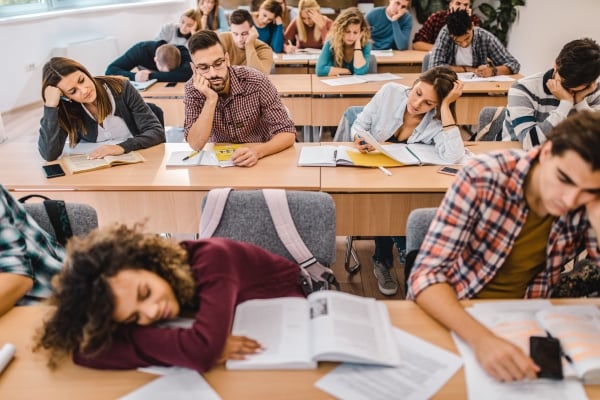
New York City is known as the city that never sleeps, and this can be true for its college students as well. A recent survey at the New York Film Academy (NYFA) revealed that NYFA students are sleeping less than their peers nationwide. One in eight students reported sleeping for four or fewer hours per night, while only 17% managed to get at least seven hours, compared to 59% of college students nationally.
To address this issue, first-year seminar instructors at NYFA have incorporated lessons on the importance of sleep into their courses. Lauren Brickman, a freshman seminar instructor, emphasizes the need for students to understand their sleep habits and the impact on their health and wellness.
The Background
Brickman explains that the first-year seminar is designed to orient students to campus life and the challenges they face. Health and wellness have always been part of the curriculum, but sleep was added after the wellness survey highlighted its significance.
Many artists feel pressured to constantly be productive, especially in a bustling city like New York. Brickman notes that this pressure can lead to students neglecting their sleep, which in turn affects their mental health and academic performance.
Survey Insights
A December 2023 poll from Gallup found that 57% of U.S. adults believe they would feel better with more sleep. Alarmingly, young women aged 18 to 29 are the least likely to get enough sleep, with only 27% reporting adequate rest.
Poor sleep can hinder college students’ attention in class and contribute to mental health issues. A 2018 study indicated that neglecting sleep hygiene could lead to depression or depressive symptoms.
Implementation
Each instructor at NYFA has the freedom to structure their course as they see fit. Counseling center staff visit classes to discuss sleep and wellness, framing the conversation around scientific research and student-centered solutions.
Students are also required to maintain a sleep log, tracking their sleep hours to better understand their habits and identify areas for improvement. This exercise encourages them to reflect on how their time management impacts their health.
Another innovative assignment involves students participating in two free or low-cost outdoor activities. Brickman cancels an in-person class, allowing students to unplug and engage with nature, which has shown to improve their sleep and overall well-being.
Impact of Technology
A February survey revealed that U.S. adults spend an average of 3.5 hours on social media before bed, with 74.7% of social media use occurring at night.
Conclusion
Discussing sleep not only promotes better health but also opens up important conversations about time management and self-care. Brickman reminds her students that life doesn’t necessarily get easier after graduation; it simply presents different challenges.
For educators looking to implement similar initiatives, Brickman advises that while the message about the importance of sleep is timeless, it remains crucial for each new generation of students to hear it and develop healthy habits.
Do you have a wellness tip that might help others encourage student success? Tell us about it.
No responses yet