Introduction
In Jacksonville, Florida, UF Health is revolutionizing patient care by introducing a hybrid model that combines emergency room and urgent care services. This innovative approach aims to streamline the decision-making process for patients, ensuring they receive the appropriate level of care without the stress of choosing the right facility.
The Hybrid Model
Over the past year and a half, UF Health, in collaboration with Intuitive Health, has launched three hybrid centers that operate 24/7. This model allows doctors to assess whether a patient’s condition requires urgent or emergency care, and they bill accordingly.
“Most of the time, you do not realize where you should go — to an urgent care or an ER — and that triage decision you make can have dramatic economic repercussions,” explains Steven Wylie, associate vice president for planning and business development at UF Health Jacksonville. Notably, around 70% of patients are billed at urgent care rates, which are generally lower than emergency care rates.
Cost Implications
Emergency care typically incurs higher costs compared to urgent care. For patients with issues that could be treated at urgent care, such as minor cuts or infections, the savings can be substantial. However, consumer advocates express concern that hospitals may still direct patients towards more expensive ER-level care.
For example, certain services like blood tests can trigger higher ER fees, which can amount to thousands of dollars. Cynthia Fisher, founder of PatientRightsAdvocate.org, highlights the absurdity of such billing practices.
Patient Experience
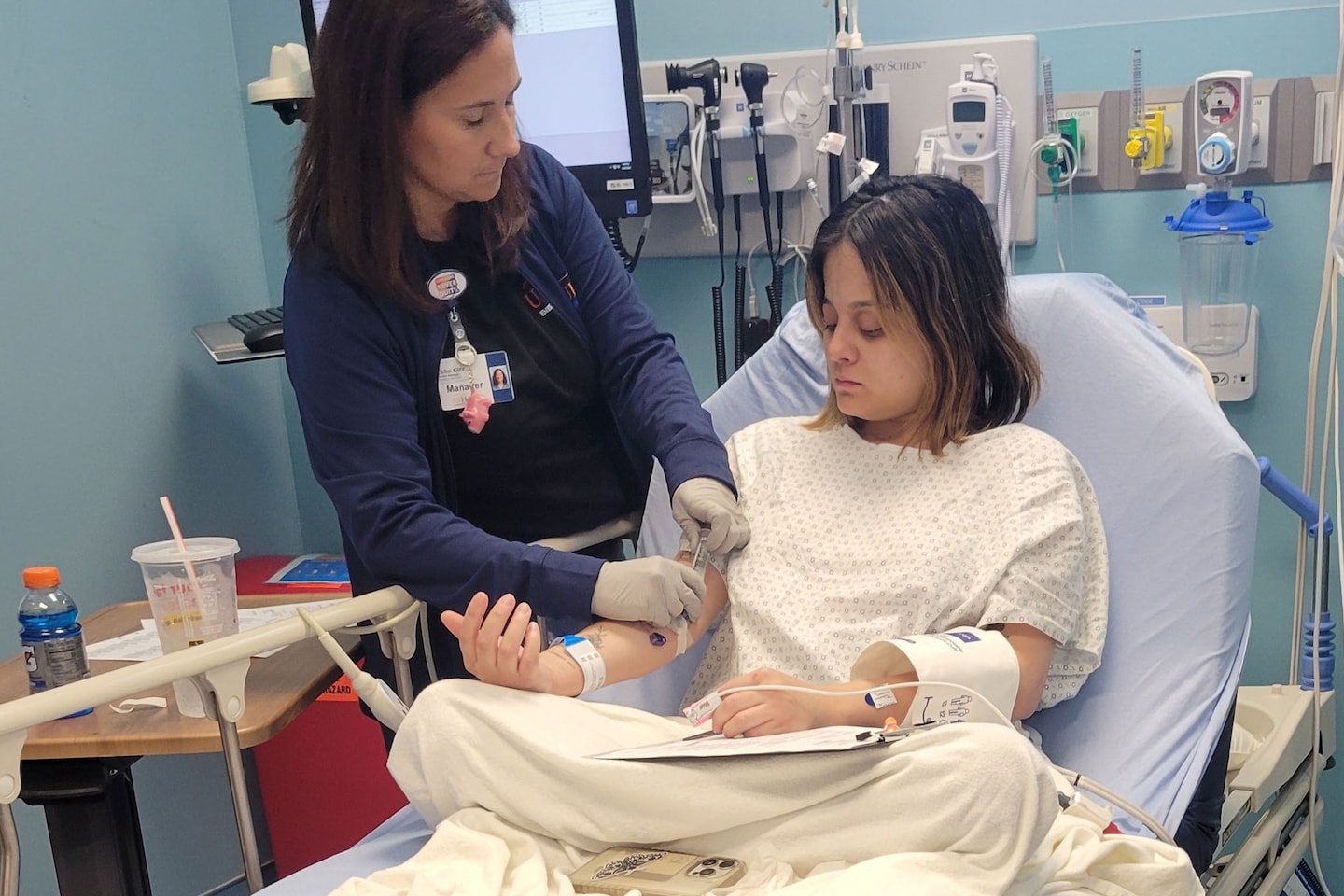
Patients visiting UF Health’s hybrid centers report quick service, with many not waiting more than five minutes. Andrea Cruz, a 24-year-old patient, appreciates the convenience: “Sometimes urgent care sends you to the ER, so here you can get everything.”
UF Health is part of a growing trend, with about a dozen health systems across ten states partnering with Intuitive Health to establish similar facilities. These centers not only attract more patients but also generate additional revenue through diagnostic testing and specialist referrals.
Insurance and Billing
UF Health’s hybrid centers accept most insurance plans, including Medicare and Medicaid. However, patients paying cash face an all-inclusive fee of $250 for urgent care services, regardless of the treatment required.
While the hybrid model offers some price transparency, patients still face challenges. For instance, if their insurance plan is billed more than what it would cover for standalone urgent care, they may incur higher costs.
Conclusion
The emergence of hybrid emergency and urgent care centers represents a significant shift in healthcare delivery. As hospitals seek to adapt to changing economic pressures and patient needs, this model could provide a more efficient and cost-effective solution for patients seeking care.
KFF Health News is a national newsroom that produces in-depth journalism about health issues and is one of the core operating programs at KFF — the independent source for health policy research, polling and journalism.
No responses yet