Overview of the Issue
More than 40 percent of women reported skipping or delaying a health screening recommended by a professional, according to a recent survey conducted by Gallup for Hologic.
Importance of Preventive Screenings
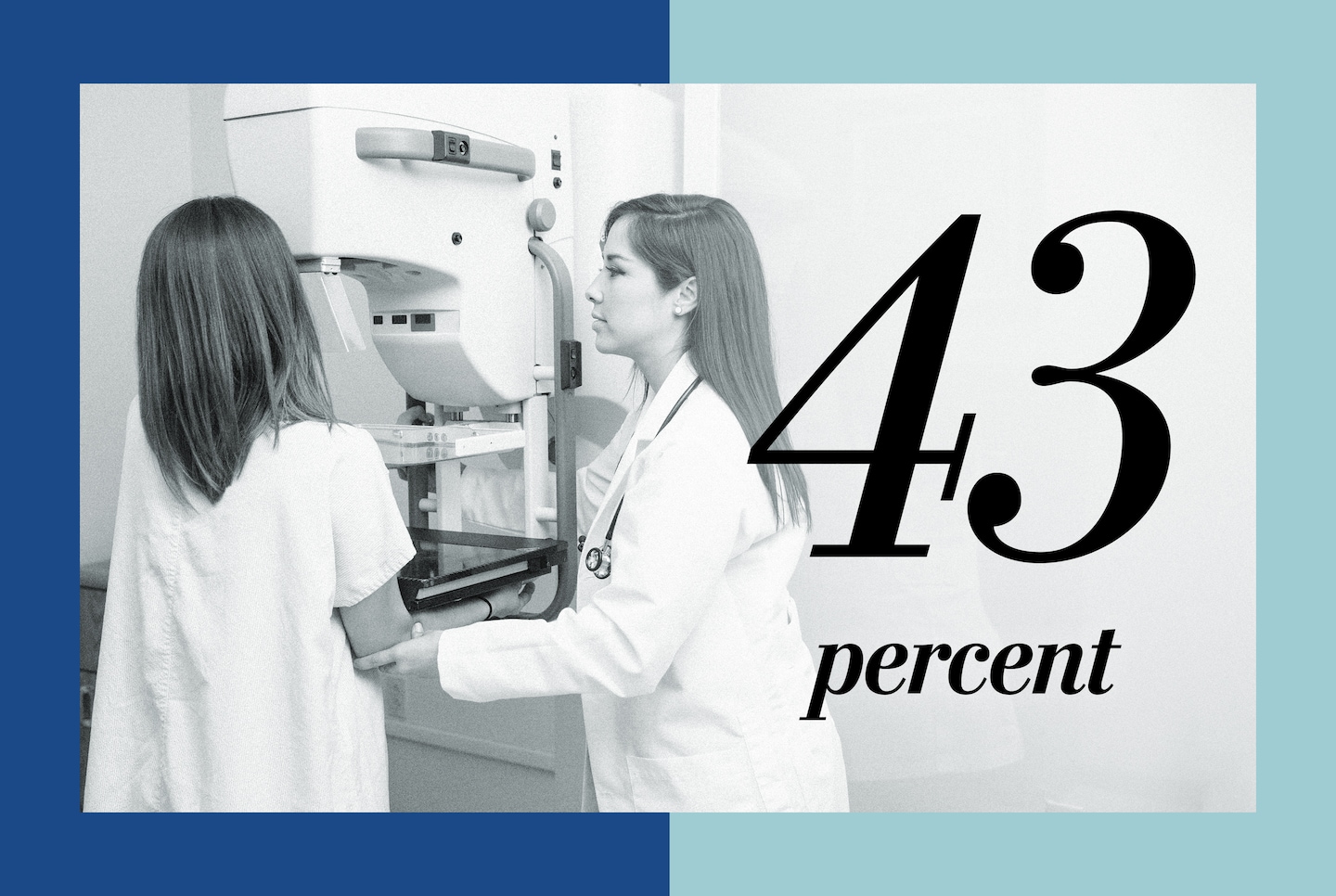
In a survey of 4,001 adult women across the United States, 90 percent acknowledged the importance of regular preventive health screenings for conditions like cancer, heart disease, and sexually transmitted infections. Yet, 43 percent admitted to having skipped or delayed screenings for critical health issues, including breast, cervical, and colorectal cancers.
Reasons for Delaying Screenings
Participants cited various reasons for their decisions, including:
- Anxiety about medical tests
- Concerns about pain
- Cost factors
- Lack of time
- Belief that screenings were unnecessary
Confidence in Health Knowledge
Only 42 percent of respondents felt “very confident” about which health screenings they required. Additionally, 31 percent of Gen Z women struggled to find relevant health information.
Challenges in Prioritizing Health
About 63 percent of women indicated that prioritizing their health was challenging. Interestingly, women who engaged in discussions about screenings with their doctors were more inclined to schedule appointments, yet not all had these crucial conversations.
Racial Disparities in Health Screenings
The survey revealed that commitment to health screenings varied by race. Black women were more likely to recognize the importance of regular screenings and less likely to skip them. However, they were also less likely to have discussed key screenings with medical professionals.
Health Implications
The findings of this survey carry significant health implications. As noted in the survey report, “Regular health screenings play a vital role in improving the health and well-being of women.” Source
Conclusion
This article is part of The Post’s “Big Number” series, which highlights the statistical aspects of health issues. For more information and relevant research, please refer to the provided hyperlinks.
No responses yet