From Grandparents’ Wisdom to Modern Debates
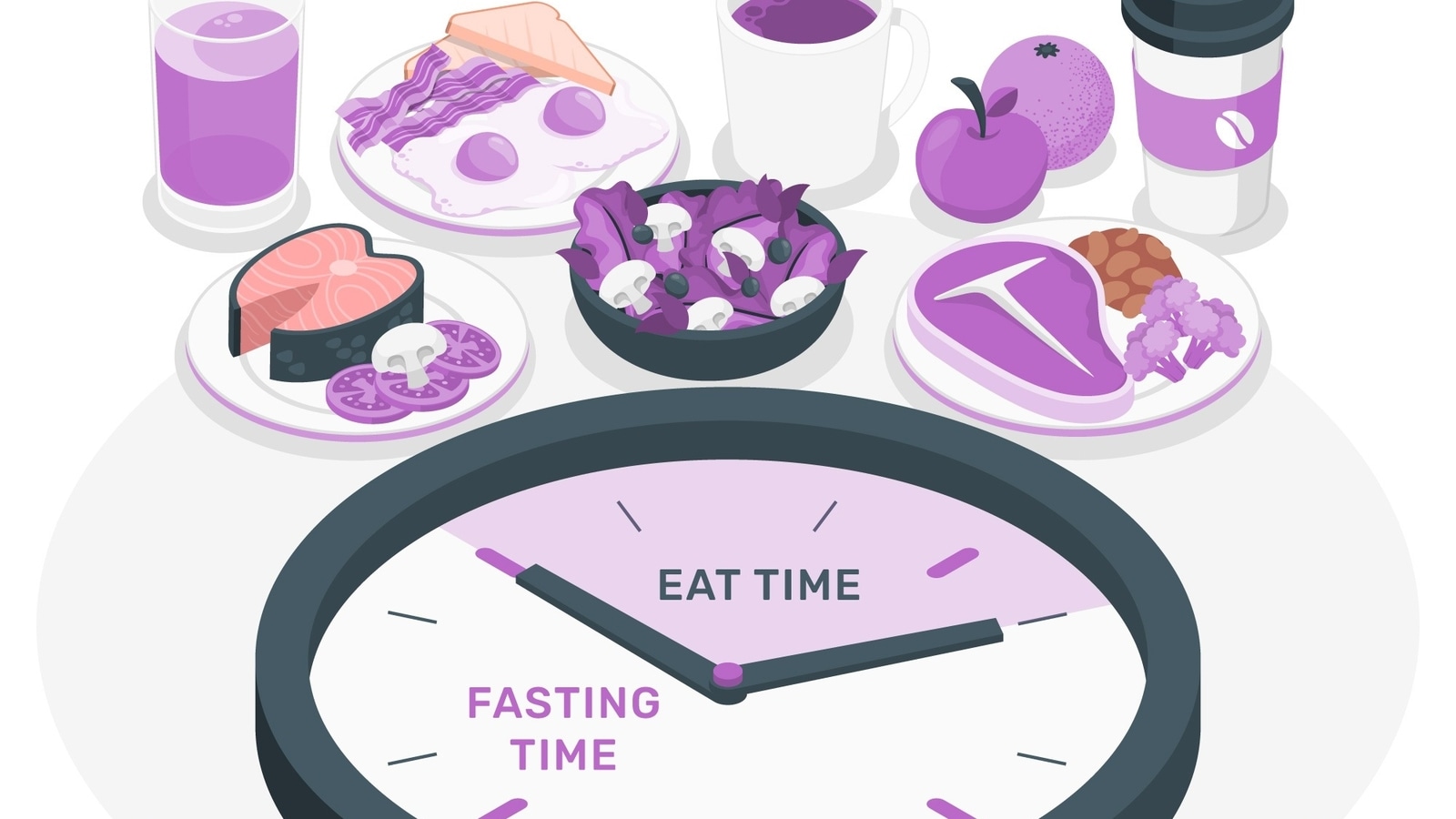
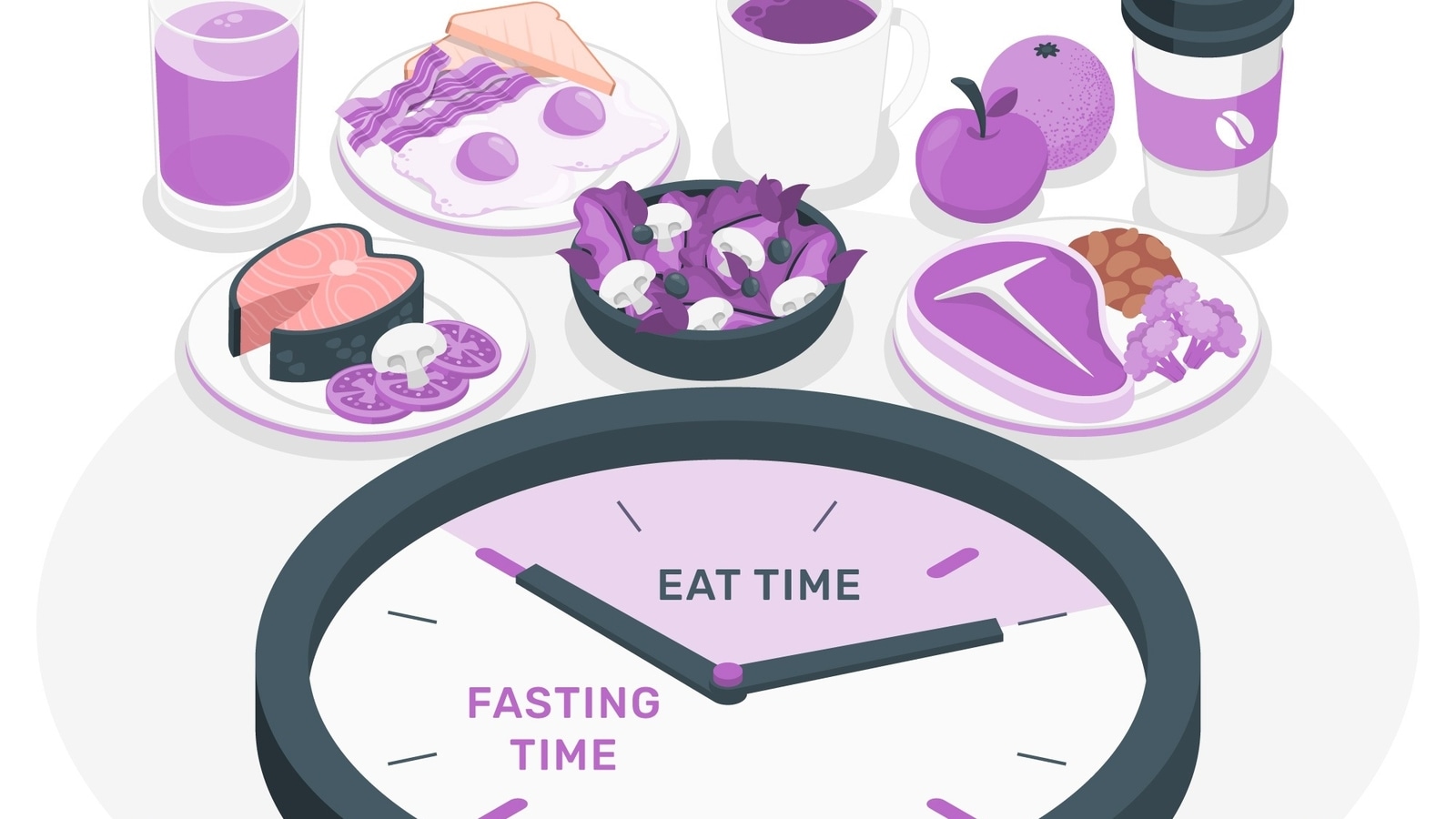
The viral social media claim that fasting can cure illnesses has sparked widespread debate and curiosity. Advocates often cite intermittent fasting and extended fasting as powerful tools for promoting overall health, weight loss, and even reversing certain chronic conditions. They argue that fasting can enhance autophagy, the body’s natural process of cleaning out damaged cells and regenerating new ones, potentially leading to improved metabolic health and reduced inflammation. But is it really true?
Personal Stories and Expert Opinions
Indian television actor Chhavi Mittal recently shared on Instagram how her grandfather, who passed away at 101 years, never took antibiotics and would stop eating to cure himself, believing everything is related to the gut. Dr. Subrata Das, HOD – Internal Medicine and Diabetology at Sakra World Hospital, emphasized the importance of consuming nutrient-dense foods for maintaining health and protecting the body from disease. He explained that the gut microbiome, a population of bacteria and other microorganisms in the digestive tract, is crucial for overall health.
Maintaining a healthy balance of these bacteria, known as homeostasis, is critical. In contrast, an imbalance, known as dysbiosis, can contribute to chronic illnesses such as inflammatory bowel disease, obesity, cancer, and autism. – Dr. Subrata Das
Dr. Rajeshwari Panda, HOD – Nutrition and Dietetics at Medicover Hospitals, highlighted that while a healthy diet can reduce the risk of diseases, it cannot replace medical treatment. She stressed the importance of following medical advice and only taking antibiotics when prescribed for bacterial infections.
Not Taking Antibiotics
Whether or not to take antibiotics when you’re sick depends on the nature of the illness. Antibiotics are effective against bacterial infections but do not treat viral infections. Taking antibiotics unnecessarily can contribute to antibiotic resistance and disrupt the natural balance of bacteria in your body, including your gut microbiome.
Diet During Illness
It’s generally recommended to continue eating a balanced diet, even when you’re sick. Proper nutrition helps support your immune system and overall health. However, during certain illnesses, especially those affecting the gastrointestinal tract, you may need to adjust your diet. It’s essential to stay hydrated and listen to your body’s cues regarding food intake.
Gut Health and Disease
The gut plays a crucial role in overall health, including immune function, digestion, and even mental health. Factors such as diet, stress, medications, and lifestyle can impact gut health. Some conditions have clear connections to gut health, while others may have more complex causes involving genetics and environmental factors.
While supporting your body’s natural healing processes and maintaining gut health are important, the approach to managing illness should be individualized based on the specific condition and medical advice. – Dr. Rajeshwari Panda
Medical experts caution that while some studies suggest potential benefits, fasting is not a one-size-fits-all solution and may not be suitable for everyone, particularly those with underlying health conditions. It is crucial to approach fasting with careful consideration and seek professional medical advice to ensure that it is done safely and effectively.
For more information, visit the full article on Hindustan Times.
No responses yet